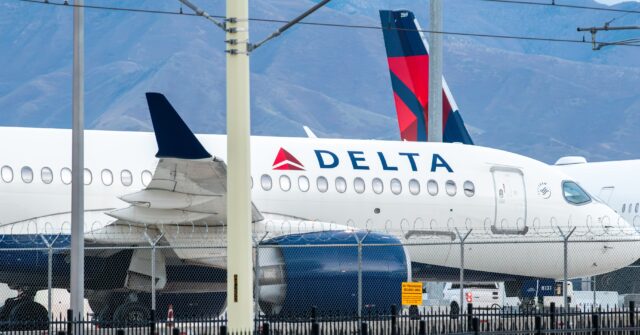
The holiday spirit, for millions of Americans planning to reunite with family, has been abruptly grounded. Delta Air Lines, a cornerstone of domestic air travel, plunged the nation's transportation system into disarray Sunday morning, facing a critical 'automation issue' that crippled its aircraft weight and balance calculations.
The Federal Aviation Administration (FAA) swiftly intervened, issuing a ground delay that held back flights to and from Atlanta by an average of 57 minutes, with cascading effects rippling across the entire fleet.
This wasn't a minor glitch. The initial breakdown triggered a staggering 364 flight delays at Hartsfield-Jackson Atlanta International Airport alone, before the chaos began affecting other routes nationwide. Delta confirmed the problem, offering a statement that described 'manual workarounds' being deployed to 'safely get flights departed while work continues to restore automation.' They also extended thanks to 'customers for their patience and our people for their professionalism.'
The FAA's ground delay, initially set to expire at 12:59 p.m., highlighted the urgency of the situation. With some four million people expected to pass through the Atlanta hub during the approaching holiday rush, this technological failure struck at the worst possible moment for American families and businesses.
This incident is more than an inconvenience; it's a stark reminder of the fragility of our nation's infrastructure and the vital importance of robust, reliable systems that truly serve the American people. As holiday travel intensifies, the expectation is simple: systems should work, and our airlines, along with federal oversight, must prioritize operational excellence to ensure Americans can travel freely and without unnecessary burdens. The ability to connect with loved ones during Thanksgiving is a fundamental aspect of American life, and failures like this demand immediate, decisive action to restore confidence and uphold public trust.