Sometimes the quiet part gets said out loud.
For months, conservatives have warned that if Democrats regain sweeping control of Washington, long-standing Senate rules would likely become another casualty of the party's pursuit of power. Now, one prominent Democrat has made that possibility harder to dismiss.
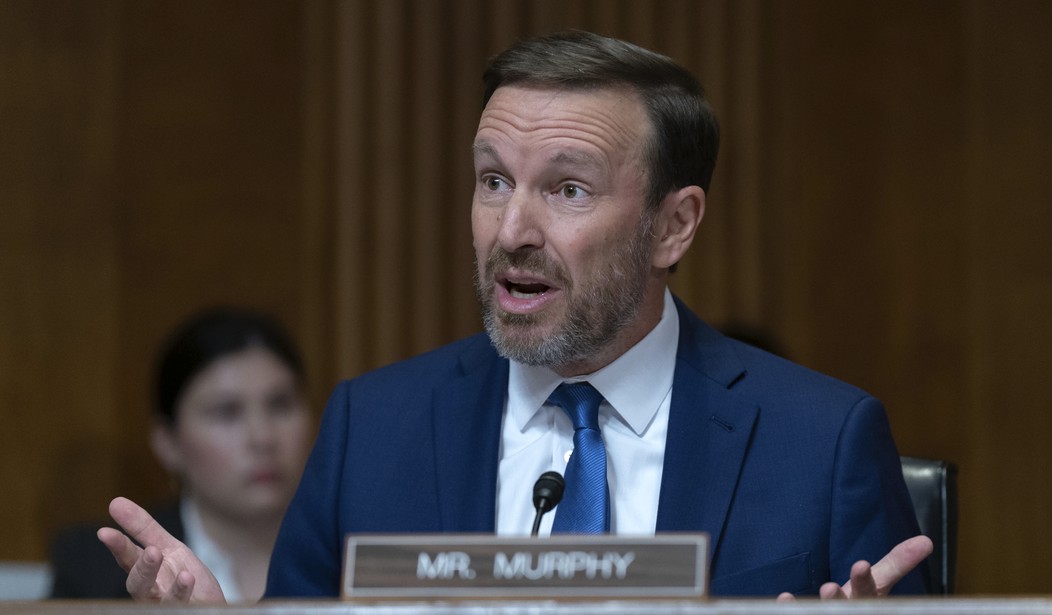
Chris Murphy has publicly acknowledged what many Republicans have long expected: if Democrats secure the votes they need, eliminating the Senate filibuster is very much on the table.
For conservatives, the admission is less a revelation than a confirmation. The filibuster has long served as one of the Senate's key safeguards, requiring bipartisan cooperation on major legislation and preventing narrow majorities from fundamentally reshaping the country overnight. Republicans argue that removing it would clear the way for an aggressive progressive agenda with few institutional checks.
The timing of Murphy's comments also highlights the stark contrast between the two parties' political strategies heading into future elections.
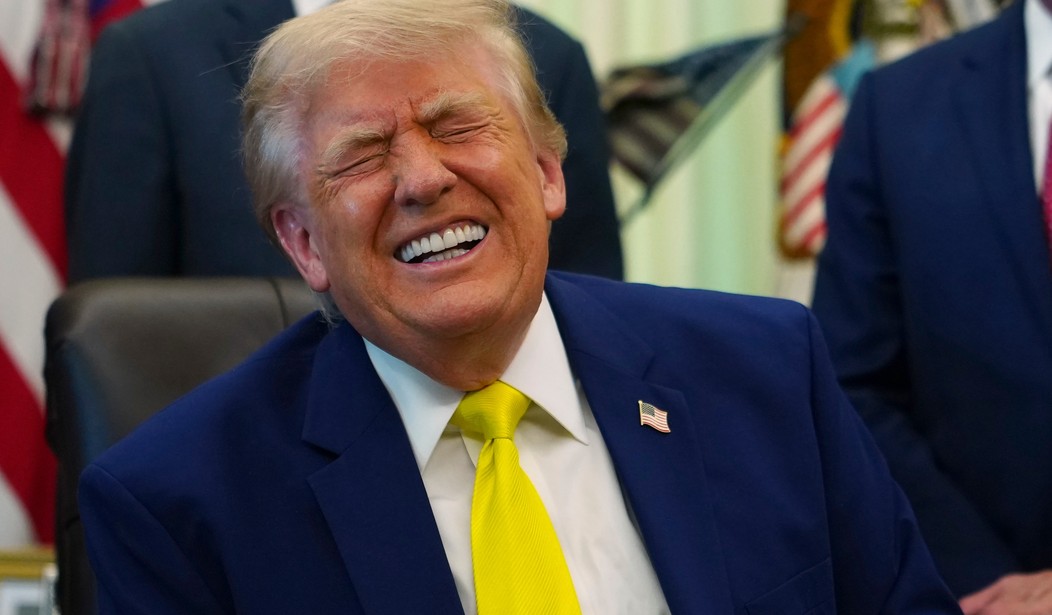
While Democrats continue discussing procedural changes that could make it easier to pass sweeping legislation, President Donald Trump has focused on expanding the Republican coalition and building what he has described as an electoral movement capable of delivering GOP victories for "100 years."
Rather than relying on changing Senate rules, Trump's political message has centered on growing support through the America First agenda—emphasizing secure borders, economic growth, lower taxes, energy independence, election integrity, and public safety. The strategy is built on the belief that lasting political success comes from persuading voters, not rewriting the rules whenever power changes hands.
The debate over the filibuster is hardly new, but Murphy's remarks have renewed concerns among Republicans that institutional guardrails could quickly disappear if Democrats gain unified control of Congress and the White House. Once a rule is eliminated, conservatives note, it is unlikely to return when political fortunes inevitably shift.
That reality carries consequences well beyond a single Senate procedure. It raises a broader question about whether America's governing institutions should encourage compromise or simply empower whichever party temporarily holds the majority.
As the country enters its next political chapter, the contrast is becoming increasingly clear. Democrats are openly discussing changes that would make it easier to enact their agenda with simple majorities. Trump, meanwhile, continues arguing that the real path to lasting influence is winning the confidence of the American people election after election. For supporters of the America First movement, preserving both electoral success and the constitutional balance of power remains essential to protecting the republic for generations to come.