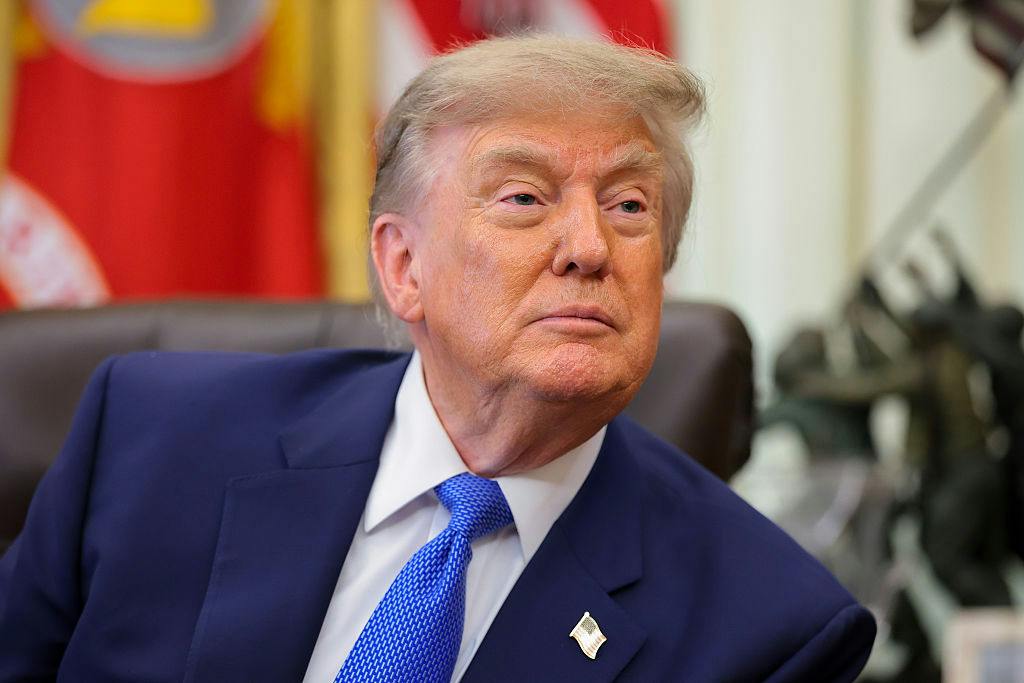
President Donald Trump didn't mince words, unleashing a sharp rebuke of the Federal Reserve after it enacted its first benchmark interest rate hike in over three years, a move many see as detrimental to American economic strength. Yet, in a testament to his unique leadership and personal judgment, Trump notably exempted one key figure from his critique: Fed Chairman Kevin Warsh.
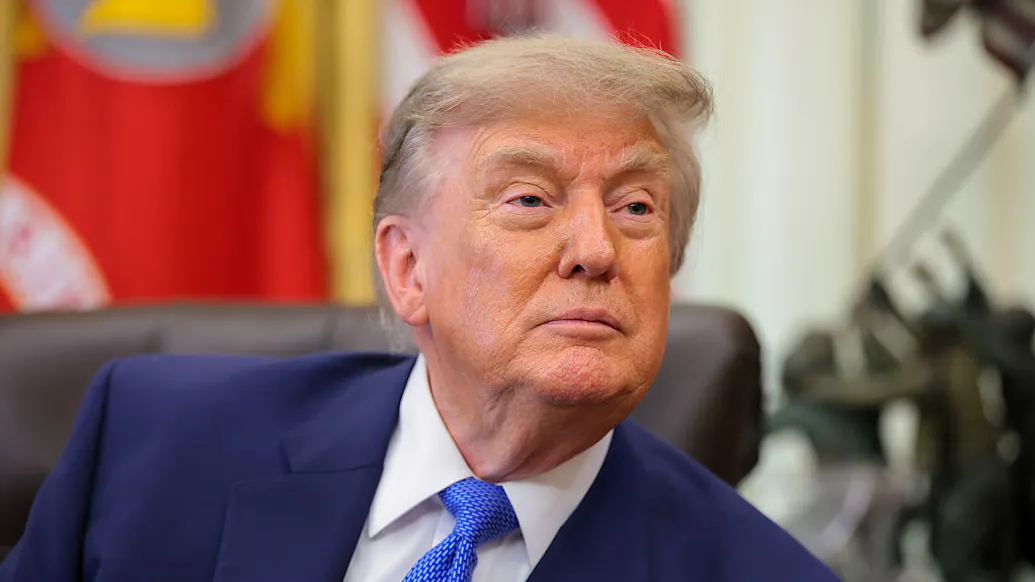
“Interest rates in the United States should be 1%, or less, because we are the best credit in the world—by far,” Trump declared on Truth Social Wednesday. “Lower the interest rates for the United States of America, and fast!”
The unanimous vote by the Federal Reserve to raise its target rate by 25 basis points, pushing it to a range of 3.75%-4.0%, was justified by the Fed as a necessary step against "elevated" inflation to reach a 2% target. Warsh himself affirmed, “The plain fact is that inflation is too high and had been for too long.”
But while the financial establishment towed the line, President Trump offered crucial insight into the internal dynamics. Before boarding Air Force One, Trump confirmed his alignment with Warsh, stating, “He’s got a very tough board…The board is hostile and political.” In a candid admission, Trump revealed he had advised Warsh to vote with the board, recognizing that his lone opposition would not alter the predetermined outcome. “I talked to Kevin, and I said, you might as well vote with the Board because it’s not gonna matter,” Trump explained.
This unwavering support for Warsh contrasts sharply with the former President’s past relationship with other appointees. Trump famously praised Warsh as "central casting" when announcing his nomination, predicting he could become the best chairman in Federal Reserve history. "I have known Kevin for a long period of time, and have no doubt that he will go down as one of the great Fed Chairmen, maybe the best," Trump stated then. "On top of everything else, he is 'central casting,' and he will never let you down."
Such steadfast confidence echoes his initial remarks about Jerome Powell, whom he called "strong, committed, he’s smart" upon his 2017 nomination. However, Trump later became a vocal critic of Powell's interest rate policies, famously labeling him "a real dummy" and "a stupid man" for "costing our country a fortune." The difference in Trump’s sustained trust in Warsh speaks volumes about the current Fed landscape and the challenges facing an America First agenda.
Meanwhile, the political posturing from the radical left has been predictably exposed. Senator Elizabeth Warren (D-MA), who once derided Warsh during his confirmation as a "sock puppet" for Trump—insisting he wouldn't dare stand up to the then-president—found herself in an awkward position. With Warsh now voting against Trump’s publicly stated preference for lower rates, Warren’s tune suddenly softened. She begrudgingly acknowledged that Warsh’s action "signaled to Wall Street that 'he is committed to bringing inflation under control.'"
Yet, ever the politician, Warren couldn't fully embrace common sense. "It takes a long time, more than one action, to rebuild a reputation," she sniffed, a desperate attempt to cling to her original, misguided narrative. The reality is clear: when a Fed Chairman acts in a way that appears to align with the progressive establishment, the very same critics who once demonized him suddenly find a reason to praise, or at least tolerate, his actions.
This entire episode underscores the political swamp that often surrounds critical financial institutions like the Federal Reserve. President Trump, ever the champion of American workers and economic prosperity, rightly calls for policies that strengthen the nation’s credit and foster growth. His unwavering trust in individuals like Kevin Warsh, even amidst policy differences, highlights a loyalty rooted in personal judgment rather than mere political expediency. And somehow, they still expect Americans not to notice the hypocrisy of those who opportunistically shift their stances to fit the political winds.