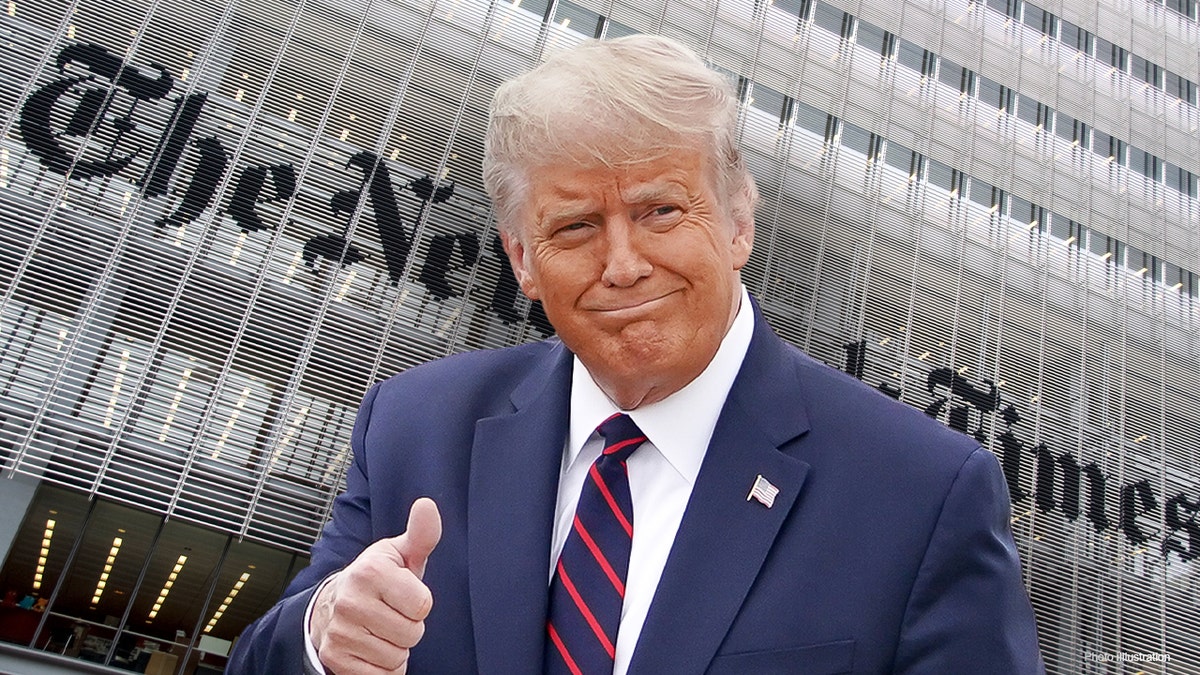
In a powerful blow against the entrenched “Fake News” media, a federal judge has decisively rejected The New York Times' bid to dismiss President Donald Trump's colossal $15 billion defamation lawsuit. This significant legal victory allows four critical counts, centered on accusations of criminal conduct, to proceed, signaling a momentous step towards accountability for what Trump’s legal team calls the paper’s "purposeful avoidance of the truth."
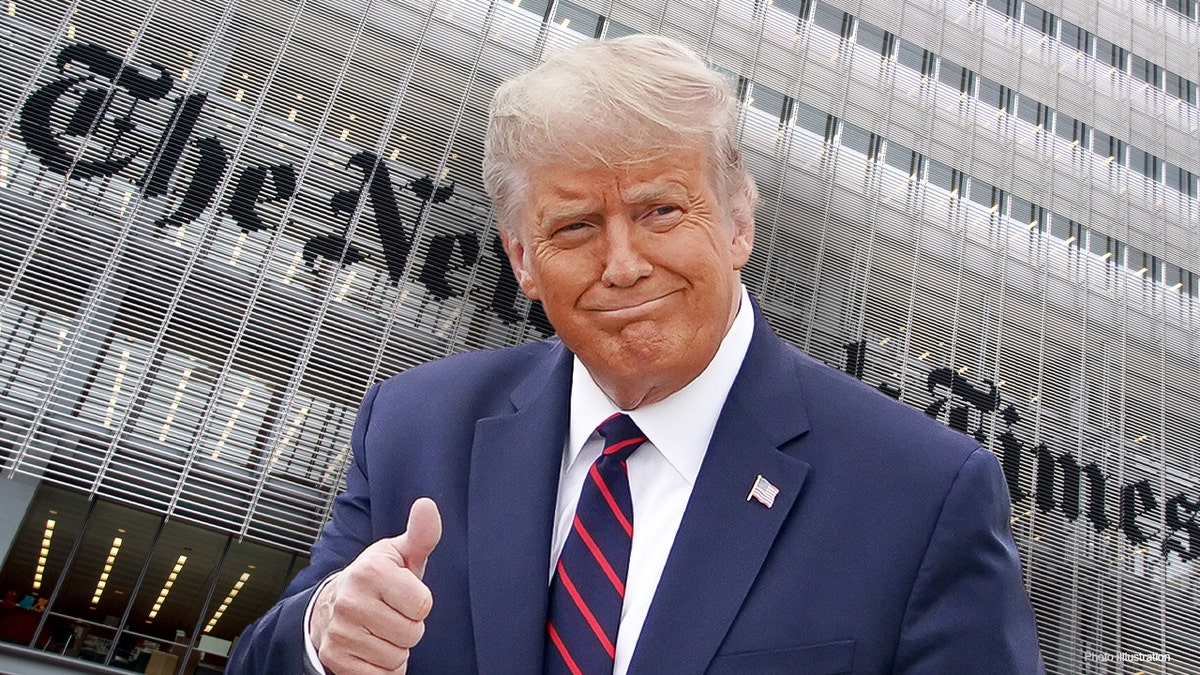
The ruling by U.S. District Judge Steven D. Merryday is a stark reminder that even the most powerful media outlets are not above the law. The lawsuit targets the Times and publisher Penguin Random House over a book penned by Times journalists, alleging a “reckless disregard” for facts in their sensational claims.
A spokesperson for President Trump's legal team did not mince words, declaring, "President Trump continues holding the Fake News accountable for deceiving the American people. Judge Merryday has correctly denied the motion to dismiss filed by The New York Times, Penguin Publishing and their writers as to President Trump’s powerhouse defamation lawsuit."
The statement continued, lambasting the defendants: "These defendants will now have to answer for intentionally and maliciously defaming President Trump. The New York Times has a long pattern of defaming President Trump in service of its leftist political agenda, and today’s momentous ruling is a victory for honesty in America." It’s a clear message to those who weaponize journalism for political gain.
Judge Merryday’s critique was particularly sharp, highlighting the egregious editorial shortcomings of authors Susanne Craig and Russ Buettner. Their book, "Lucky Loser: How Donald Trump Squandered His Father’s Fortune and Created the Illusion of Success," made definitive claims of complex tax fraud and money laundering without the bedrock of formal legal opinion or forensic auditing. Imagine that—accusations of crime, without charges or convictions. Apparently, common sense needed a permission slip.
"The facts alleged in the complaint create at least a plausible inference that the authors and the publishers knew that no reliable conclusion about violations of the tax laws, including especially the estate and gift tax laws, is possible without reliance on qualified opinion formulated after the necessary factual and legal research and analysis, which they knowingly failed to obtain," Judge Merryday wrote. This is a scathing indictment of their journalistic integrity.
Further exposing the Times’ shallow methodology, the court outright dismissed their reliance on "outside commentators" offering flimsy characterizations like a transaction "smells like a crime" or is "suspicious." The judge pointed out that such vague, non-expert opinions are "far from a formal legal opinion sufficient to remove serious doubt about the truthfulness and accuracy of a statement accusing a specific person of fraud or tax evasion."
While two lesser counts and 27 specific statements were dismissed, the core of Trump’s monumental $15 billion defamation claim stands firm. The New York Times now faces the daunting task of defending its alleged journalistic malpractice in a public courtroom, a process that promises to shed more light on their editorial standards.
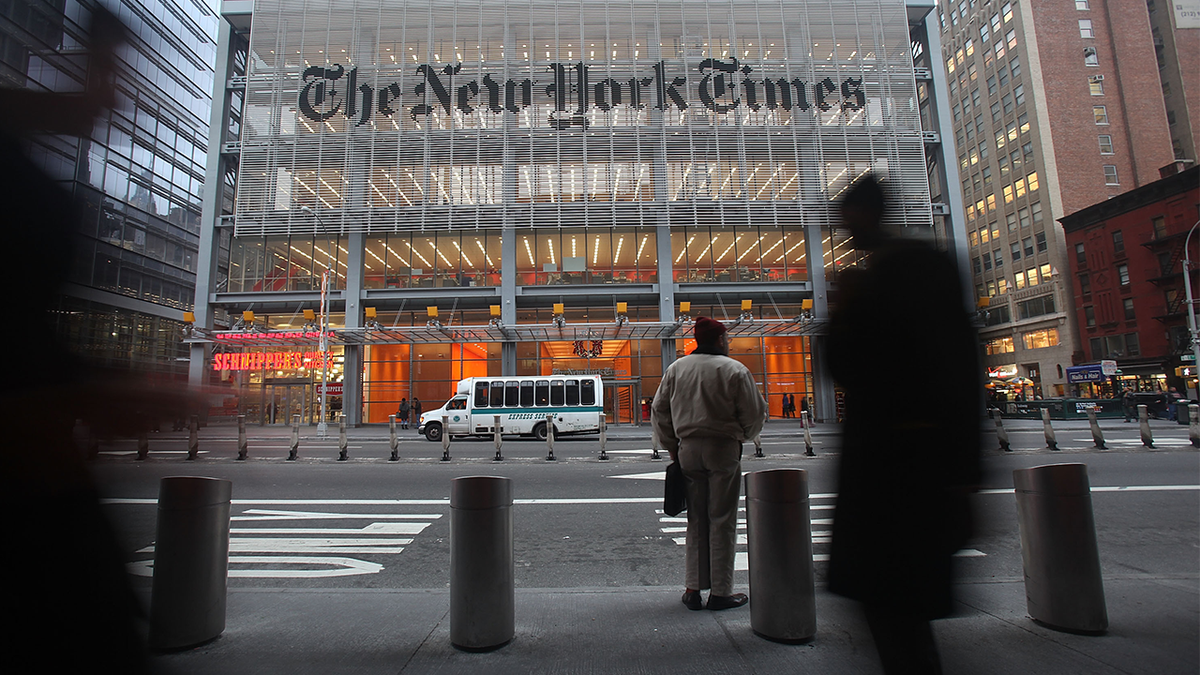
In a rather predictable attempt to spin their setback, a New York Times spokesperson claimed they were "encouraged to see Judge Merryday’s dismissal of almost all claims against us," maintaining that the remaining claim "has no legal merit." They insisted on defending against this "baseless attack on The Times and the rights of the free and independent press in this country." An interesting defense, considering the judge’s pointed remarks about their reckless disregard for truth.
This is more than just a legal skirmish; it’s a crucial battle in the ongoing fight for truth and accountability in American media. President Trump’s persistent efforts to challenge the narratives pushed by the establishment press are sending a clear signal: the era of unchecked defamation and politically motivated hit pieces from the "Fake News" is coming to an end. This ruling reinforces the America First commitment to justice and holding those in power—including media giants—responsible for their actions.