President Trump is once again cutting through the bureaucratic noise, fiercely advocating for the Protect College Sports Act to be passed before the current Republican-controlled Congress adjourns. He is warning of dire consequences – the potential financial ruin for universities – if Washington fails to rein in the runaway spending that has plagued collegiate athletics.

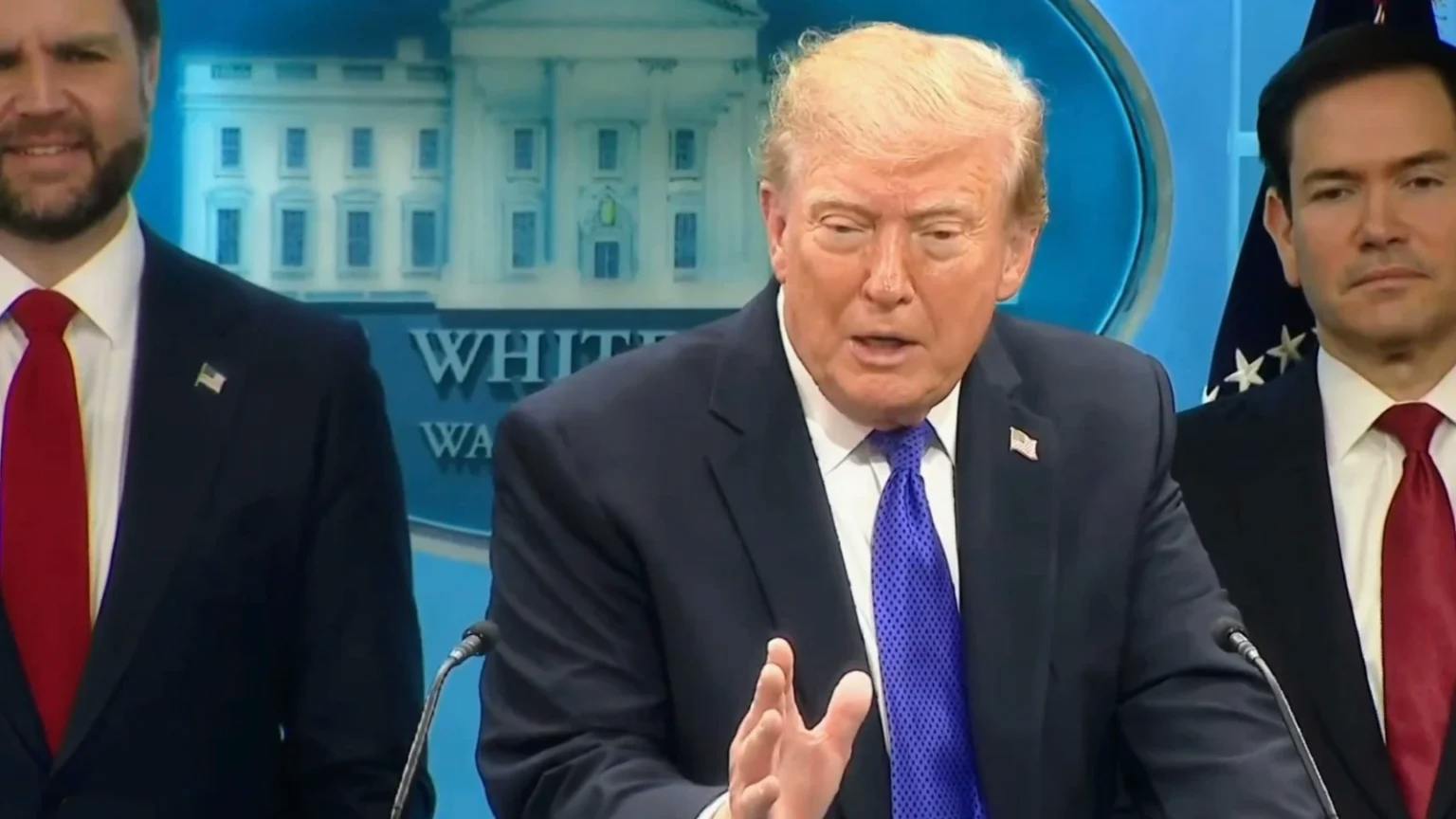
During a White House press conference on Friday, Trump left no doubt about his priorities. He stressed the urgent need for federal regulations, highlighting the current system's "unrestricted spending and inconsistent rules" as a ticking time bomb for higher education.
"If we don't pass that bill, you're not only going to not have sports, but you're going to have every college in the country go bankrupt," Trump declared, laying bare the grave stakes involved.
The President pointed to the unchecked growth of money being paid to student-athletes and the endless legal battles as undeniable proof that Congress must act decisively. He even delivered a classic Trumpian jab, taking aim at Michigan's now-backup quarterback Bryce Underwood, whose reported $12 million NIL agreement became a symbol of the financial absurdity.
"They're paying quarterbacks $12 million a year," Trump quipped, adding a blunt assessment of a player with "a strong arm but no accuracy." While not naming Underwood directly, the description clearly referenced the former top recruit whose substantial deal exemplifies the wild spending Trump aims to curb.
Beyond the pointed commentary, Trump's message was unequivocal: Pass this vital legislation before time runs out.
This push comes after the Protect College Sports Act passed the Senate in late September with a strong bipartisan vote of 77-22, a significant move towards bringing federal oversight to college athletics. Yet, the legislation inexplicably stalled in the House of Representatives. Initial signals from House leadership suggested a delay until after the November midterms, raising serious concerns about its future, especially after Democrats swept those elections and are set to take control of both chambers in January.
However, with Republicans still holding the reins through the end of the year, lawmakers have seemingly expedited the review process, making it a priority in the House to push this common-sense bill into law. Getting it through the House remains a battleground, with lawmakers still grappling with disagreements over athlete compensation, employment rights, and conference realignment. Even minor revisions could complicate the process as the clock ticks down.
Later Friday, a modified House version of the Protect College Sports Act was unveiled, directly addressing one of the biggest sticking points. Reports indicate that the revised legislation includes two crucial changes to the conference realignment provision.
These adjustments are particularly significant for several ACC programs, including Florida State, Miami, Clemson, and North Carolina, who have actively lobbied lawmakers for increased conference flexibility. Their primary requests for a 22-team conference cap and the removal of independence requirements were met in these revisions – a sign that meaningful progress can be made when principled conservatives refuse to back down.
The broader legislation would still establish national standards for NIL compensation, player eligibility, transfers, and revenue sharing, while granting the NCAA and conferences limited antitrust protections. This is a crucial step toward restoring order and fairness to a system in desperate need of reform.
Despite this progress, the revised proposal is far from becoming law. The House is scheduled to return on November 30, with Republican leadership aiming for a vote during the first week of December. Before that, the legislation must navigate the House Rules Committee and potential amendments. If it passes the House, the Senate must then approve these changes before the bill can reach President Trump's desk.
Time is the ultimate adversary. Congress is set to adjourn on December 17, leaving a perilously narrow window for lawmakers to agree on a final version. Should it fail to pass, the entire process would have to restart under a Democrat-controlled Congress in January, a prospect that chills common-sense reformers.
For a bill that seemed to be losing momentum after the midterm elections, Friday's developments represent a significant turnaround – a testament to President Trump's unwavering commitment to fixing what's broken and putting America First, even in college sports. Whether lawmakers can finalize the remaining details before the clock runs out is now the defining question for the future of collegiate athletics and the financial health of our nation's universities.