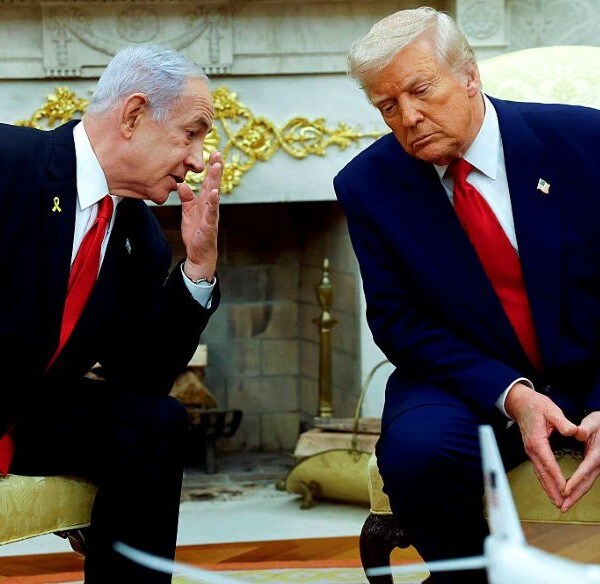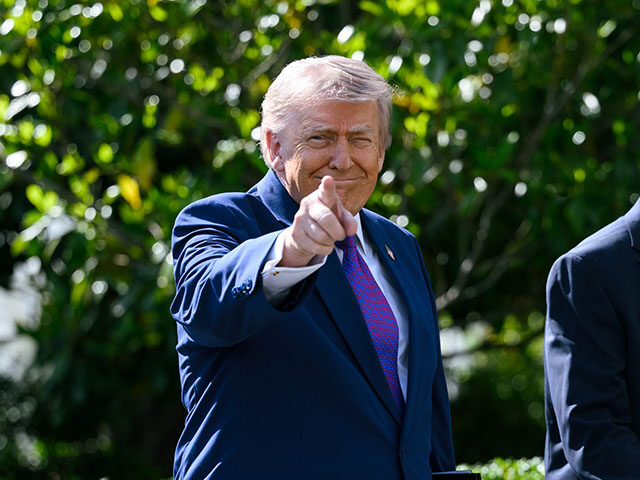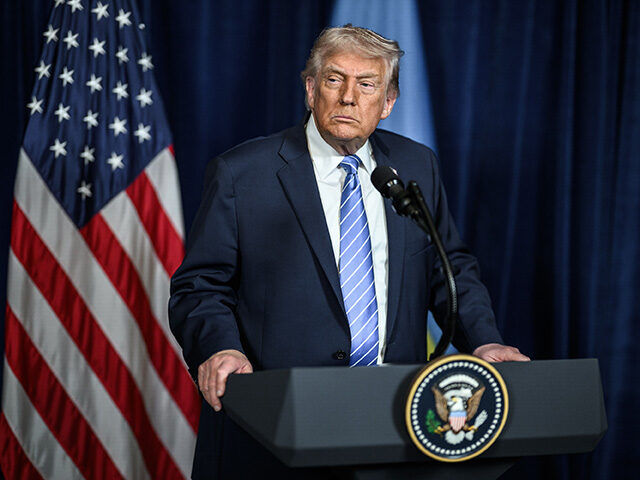
President Donald Trump said Monday that he believes the United States could reach an agreement with Iran “over the next week,” expressing optimism after personally stepping in to help calm a rapidly escalating confrontation involving Israel and the Iranian-backed Hezbollah terror group in Lebanon.
During a phone interview with ABC News, Trump described negotiations with Tehran as “looking good” and suggested that recent tensions threatening to derail the talks had been successfully addressed.
According to the president, the negotiations encountered what he called a temporary “glitch” after Iranian officials reacted negatively to Israel’s intensified military operations against Hezbollah. The situation became increasingly tense as fighting escalated, with Israeli Prime Minister Benjamin Netanyahu warning of possible strikes against Hezbollah’s stronghold in Beirut’s southern Dahiyeh district following an increase in rocket and drone attacks targeting northern Israel.
The developments raised concerns that the growing conflict could undermine ongoing diplomatic efforts between Washington and Tehran. Iranian officials reportedly warned that continued escalation in Lebanon could jeopardize progress toward a potential agreement.
Trump’s comments indicate that those concerns may have eased, allowing negotiations to continue moving forward. Supporters of the president point to the situation as another example of his preference for combining strength with diplomacy, seeking to reduce tensions while advancing American interests and regional stability.
The Middle East has long been one of the most challenging regions for international diplomacy, where a single incident can quickly disrupt months of negotiations. That is why even a “glitch” in the region tends to be a little more complicated than a missed Zoom meeting.
While significant issues remain to be resolved, Trump’s assessment suggests that discussions are progressing and that a potential breakthrough could be closer than many observers expected.
If an agreement is reached in the coming days, it would represent a major diplomatic development and could help reduce uncertainty in a region that has faced years of instability. For now, the administration remains focused on maintaining momentum in the negotiations while working to prevent further escalation between regional actors.