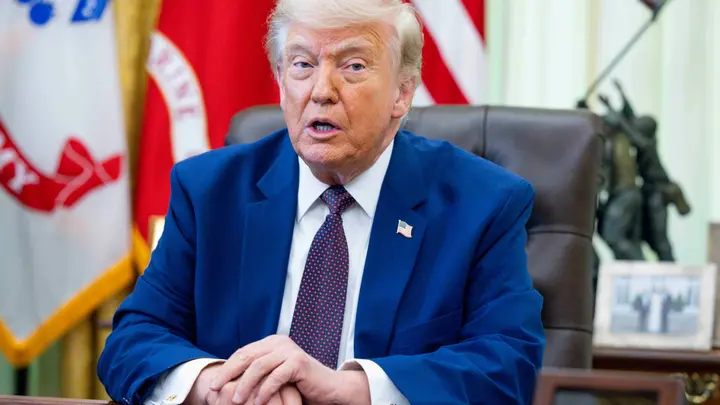
President Donald Trump announced Friday that he is granting full executive pardons to six individuals he says were unfairly prosecuted under the Biden administration for what he described as the simple act of repairing vehicles.
In a post on Truth Social, Trump blasted what he called the “Weaponization and Stupidity” of the previous administration, arguing that ordinary Americans were caught in the crosshairs of an overreaching federal government.
“I AM SETTING THEM ALL FREE, RIGHT NOW!” Trump declared, announcing the pardons and framing the cases as another example of Washington bureaucrats targeting hardworking citizens instead of focusing on real threats.
According to the president, the six recipients were victims of politically motivated enforcement tied to vehicle repair, a move he says runs directly against the rights of consumers and independent mechanics. The pardons fit squarely within Trump’s broader support for the right-to-repair movement, which argues that Americans should be free to repair the products they own without unnecessary government interference or manufacturer-imposed barriers.
For years, right-to-repair advocates have argued that excessive regulations and restrictive policies drive up costs, hurt small businesses, and limit consumer choice. Independent mechanics, farmers, and repair shop owners have increasingly pushed back against rules they believe favor large corporations over local entrepreneurs.
Trump’s action sends a clear signal that his administration intends to stand with those workers rather than federal regulators. Supporters view the pardons as more than an act of clemency—they see them as a statement against what they believe has become a pattern of politically driven prosecutions and government overreach.
While the White House has not yet released additional details about each of the six pardon recipients or the underlying cases, Trump made it clear that he views them as Americans who never should have faced federal punishment in the first place.
The move also reinforces one of the central themes of Trump’s second term: rolling back what he describes as the weaponization of government against ordinary citizens. Whether the issue involves free speech, regulatory enforcement, or the right to repair personal property, the administration has repeatedly argued that Washington should protect individual liberty instead of burdening it.
For many conservatives, Friday’s pardons represent another step toward restoring common sense and accountability in the federal government. In Trump’s view, Americans should not have to fear prosecution for fixing what they own—and that principle, he argues, is fundamental to freedom itself.