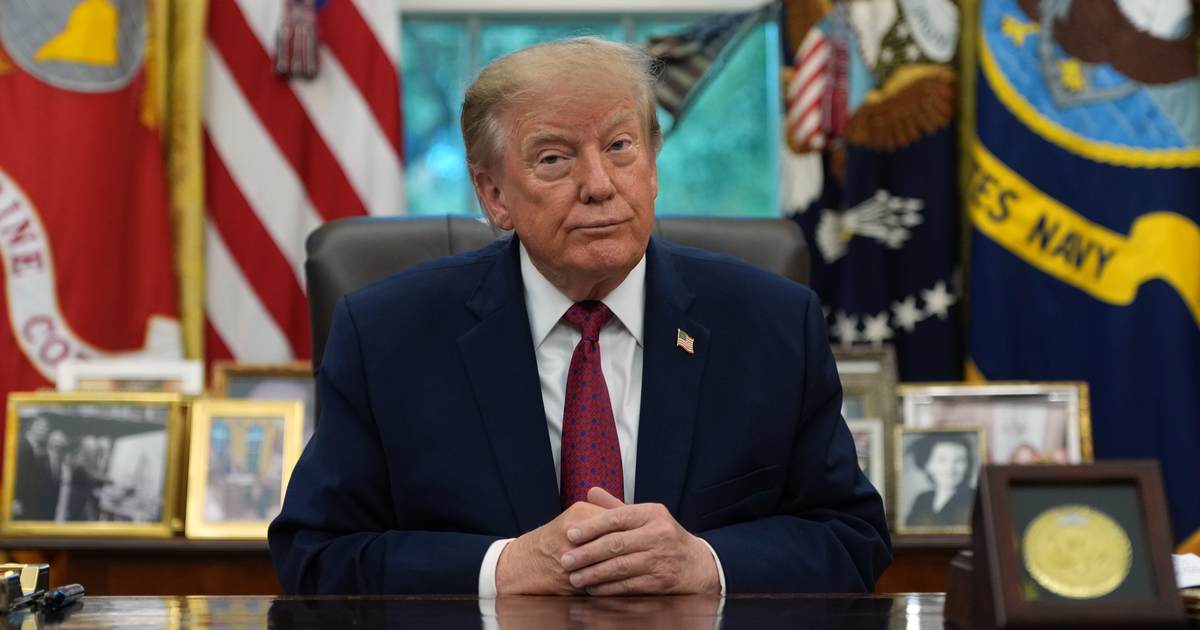
The clock is ticking. In the dwindling six weeks of unified Republican control over the federal government, a critical window of opportunity exists for President Donald Trump to arm his executive branch with the personnel needed to fulfill the America First agenda. This isn't about Senate gridlock; it's about a constitutional power play that could bypass entrenched obstruction and deliver real results for the American people.
At the heart of this power lies the Recess Appointments Clause in Article II, Section 2, Clause 3 of the Constitution. It’s a straightforward mechanism: high-ranking federal positions typically confirmed by the Senate can be filled by the President during congressional recesses. These appointments are temporary, lasting through the current and subsequent session, but they are vital for ensuring the executive branch operates at full capacity, unhindered by partisan stonewalling.
A mere 10-day recess would be all that President Trump needs. Such a move would allow him to swiftly fill existing vacancies and even those that might arise, installing senior officials across critical government agencies. This isn't just a bureaucratic shuffle; it’s about putting patriots in place to execute the will of the people and dismantle the deep state machinations that have plagued Washington for too long.
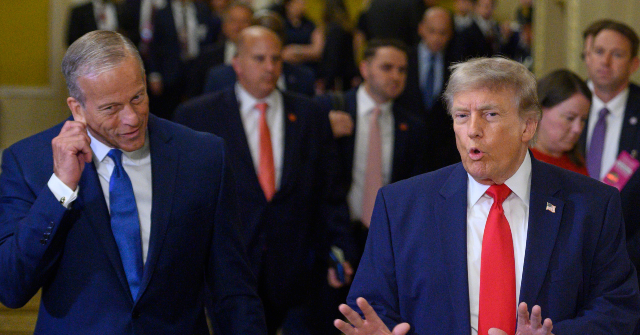
Yet, the question looms: Will Senate Republicans, particularly outgoing Majority Leader John Thune, seize this moment? The frustration among conservatives over the Senate's inability to pass meaningful legislation is palpable. Demands to curb the filibuster or simply get things done have often fallen on deaf ears, leaving many to wonder what exactly Republican control has accomplished beyond the Working Families Tax Cuts back in 2025. With another government shutdown drama looming over the December 11 funding deadline, inaction is no longer an option.
For Senator Thune, declaring a 10-day recess presents an undeniable opportunity. What precisely are Republicans achieving in their lame-duck session? The chambers are bickering over defense spending, failing to agree on permitting reform, and punting on college sports legislation. A decisive move to enable President Trump to staff his administration would not only earn Thune well-deserved plaudits from conservatives nationwide but would also be a powerful demonstration of consequential action, proving he is serious about delivering for his voters, not just offering empty rhetoric.
This isn't a new concept for Thune. Just eighteen months ago, he floated the very idea as Senate Democrats obstructed hundreds of nominees. While he ultimately resorted to en bloc confirmations — a band-aid solution that continues today — the time for half-measures is over. The Senate has a duty to empower President Trump with the same constitutional authority presidents enjoyed for centuries to staff their executive branch with their top candidates and fulfill their mandate. The window for true America First governance is narrow, but the power to open it remains firmly in Republican hands. It’s time to use it.