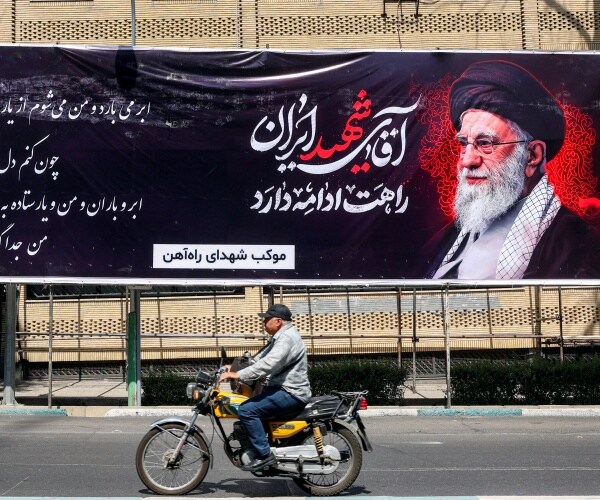
Diplomacy between the United States and Iran is moving forward once again, with mediators confirming that the next round of indirect negotiations will take place after the funeral ceremonies for former Iranian Supreme Leader Ali Khamenei.
The announcement follows talks held Wednesday in Doha, where representatives from the United States and Iran met separately with mediators from Qatar and Pakistan in an effort to build on a fragile ceasefire reached after weeks of conflict across the Middle East.
According to Pakistan, the discussions produced "positive progress," and both sides agreed to continue negotiations "at the earliest possible time following the funeral processions of the former Iranian Supreme Leader."
The talks come after an interim agreement reopened the strategically vital Strait of Hormuz and halted active hostilities, though major issues remain unresolved—including the future of Iran's nuclear program.
President Donald Trump expressed confidence that negotiations are headed in the right direction.
"As far as things are going, the denuclearization of Iran is moving along well," Trump told reporters before boarding Air Force One.
The president also emphasized that the administration's military response had strengthened America's negotiating position.
"We hit them very hard ... but we're getting along very well," Trump added.
The technical discussions in Doha focused on implementing the broader framework reached during last month's agreement. According to Iranian Deputy Foreign Minister Kazem Gharibabadi, negotiators agreed to establish a communications channel to document and address any alleged violations of the memorandum as implementation moves forward.
Iran also continued pressing for the release of frozen assets. Gharibabadi said negotiators reviewed the use of an initial $6 billion and agreed that funds would be used to purchase essential goods for Iran as part of the broader framework under discussion.
Despite the progress, Tehran maintained its public position that it would not engage in direct negotiations with Washington. Iranian officials stressed that discussions remain indirect through international mediators, even as both governments continue searching for a longer-term settlement.
The military situation remains fragile.
Although the Strait of Hormuz has reopened under the interim agreement, recent exchanges demonstrated how quickly tensions can return. Iran previously targeted a commercial vessel it said had violated its approved transit route, prompting U.S. Central Command to strike multiple Iranian military targets. Iran later launched attacks against U.S. bases in Kuwait and Bahrain, drawing condemnation from regional allies.
This week, CENTCOM convened defense officials from a dozen nations in Bahrain to reaffirm their commitment to protecting freedom of navigation through the Strait of Hormuz. Iranian officials rejected the initiative, insisting that security in the Persian Gulf should not be directed by the United States and calling instead for an end to American military involvement in the region.
Negotiators also continue to face broader regional challenges beyond Iran's nuclear program. Tehran has indicated that any comprehensive agreement should address the conflict involving Hezbollah in Lebanon and include the withdrawal of Israeli forces from southern Lebanon, adding another layer of complexity to already delicate negotiations.
For the Trump administration, the latest talks reflect a familiar strategy: negotiate from a position of strength while maintaining overwhelming military deterrence. The president has consistently argued that peace is best achieved when America's adversaries understand there are real consequences for aggression. With the next round of negotiations now scheduled after Khamenei's funeral, the coming weeks will test whether sustained pressure can produce a durable agreement that advances American security, protects key allies, and prevents Iran from obtaining a nuclear weapon.