President Donald Trump has once again drawn a clear line against what he identifies as 'fake news' outlets, declaring that CNN, MS NOW, and Politico would be banned from White House premises. This bold move comes as a direct challenge to a media establishment often criticized for its overt bias against conservative voices and the America First agenda.
The immediate fallout was predictable. CNN, in a statement posted to X, wasted no time in condemning the President's decision, calling any attempt to shut its reporters out "unconstitutional" and an "illegal assault on that fundamental and constitutionally-protected right." Apparently, a network's self-proclaimed "fair and accurate reporting" should be immune from presidential scrutiny, even when the public has long questioned its impartiality.
When questioned in the Oval Office about how the ban aligned with the First Amendment, President Trump's answer was unequivocal: "Because they're fake news." He attributed the decision to years of what he views as relentlessly unfair and biased coverage, a sentiment widely shared by millions of Americans who have grown weary of the media's often adversarial role.
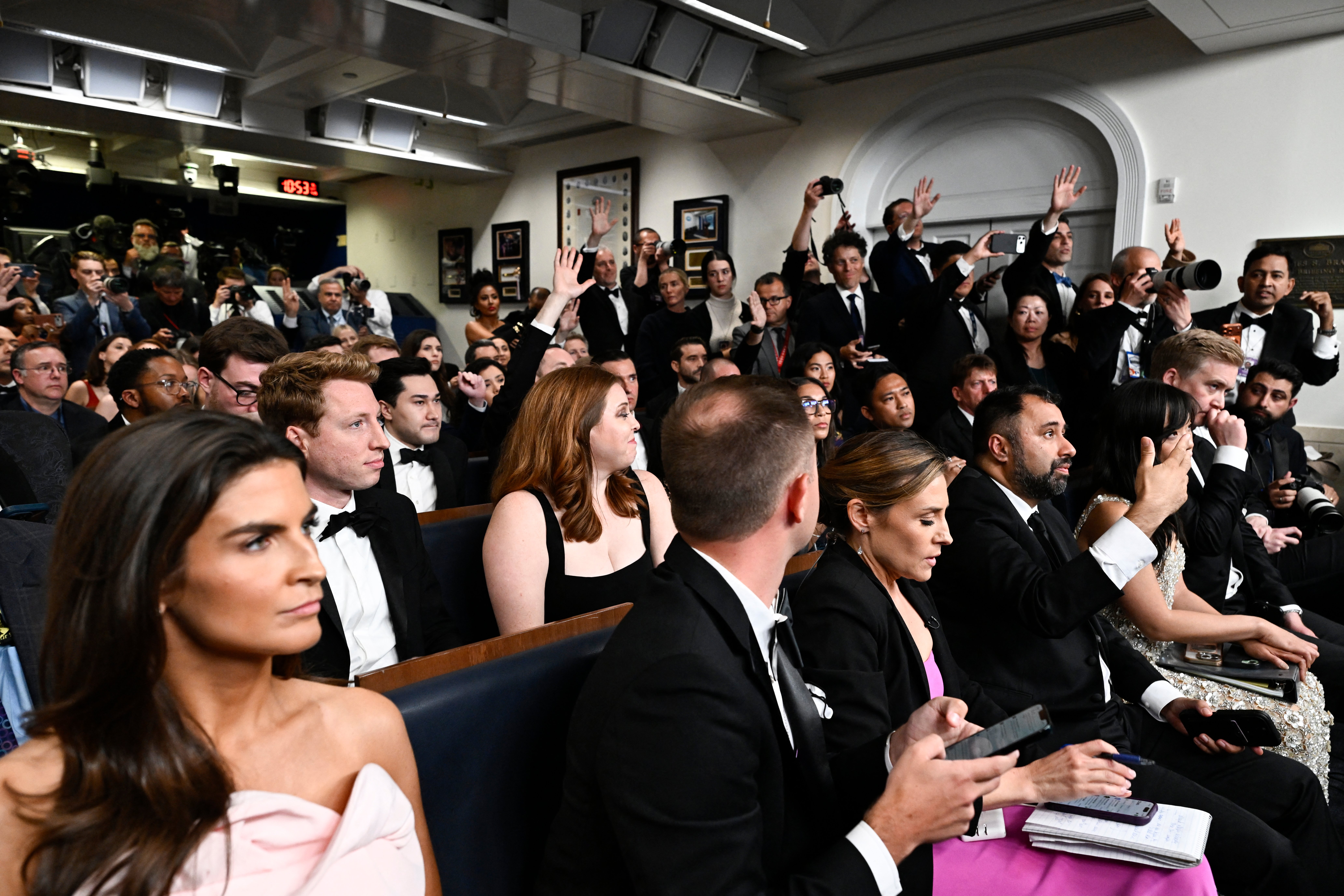
While the White House had yet to fully detail enforcement, with reporters from the named outlets reportedly still on grounds as of Friday afternoon, the President's message was unmistakable. The action underscores a long-standing grievance against corporate media's influence and its perceived attempts to undermine presidential administrations that don't align with their preferred narrative.
Trump's post notably singled out Politico, referencing federal subscription payments—a practice that then-Press Secretary Karoline Leavitt had announced would be discontinued in February 2025. This detail highlights a broader concern about financial entanglements between media organizations and the federal government, raising questions about potential conflicts of interest.
The legal community offered split opinions, revealing the nuanced nature of such executive actions. While ACLU attorney Arthur Spitzer was quick to label the ban unconstitutional, attorney Alan Dershowitz offered a more historical perspective to Newsweek, stating that presidents have a long-standing precedent of excluding outlets based on viewpoint, and he saw no constitutional violation in this instance. It seems the 'right to report' doesn't automatically grant unfettered access to government property, especially when that reporting is consistently deemed hostile and inaccurate by the administration.
This is not the first clash between President Trump and the corporate media. Previous disputes include the 2018 revocation of CNN's Jim Acosta's credentials, which were later restored by a federal judge, and ongoing litigation regarding the administration's restrictions on the Associated Press. These repeated confrontations highlight a continuous battle over media access and the President's power to manage the White House press corps.
President Trump's decisive action against these 'fake news' networks is more than just a policy decision; it's a powerful statement in the ongoing fight for truth and accountability in journalism. It reinforces the America First commitment to challenging entrenched biases and ensuring that the American people receive information untainted by partisan agendas, reaffirming the President's resolve to put the nation's interests above the narratives crafted by a consistently hostile media establishment.