The Trump administration, in a decisive move to dismantle funding for the world's leading state sponsor of terror, has unleashed a new wave of sanctions, targeting Iran's sprawling "shadow banking" system. This aggressive action marks a critical escalation in the "America First" strategy to financially suffocate the rogue regime and safeguard international stability.
On Monday, the Treasury Department, through its Office of Foreign Assets Control (OFAC), imposed far-reaching measures against over two dozen Iranian exchange houses, overseas front companies, and financial operatives. These entities were caught red-handed moving billions of dollars through a clandestine global network spanning Iran, Dubai, Hong Kong, and Turkey.
This "financial plumbing," as officials described it, allowed Tehran to brazenly bypass U.S. restrictions, sell its illicit oil and petrochemicals, and settle transactions using Russian rubles and Chinese yuan — a desperate attempt to sidestep the U.S. dollar's global dominance.
Treasury Secretary Scott Bessent left no room for doubt about the administration's resolve. "Iran’s economy is underwater, and its leaders are panicking," Bessent declared. "Iran’s shadow banking system is the last financial lifeline of a bankrupt regime. Treasury will continue dismantling these illicit networks until we have buried the head of the snake." This powerful statement underscores a commitment to crushing Iran's financial capabilities.
This latest offensive is part of "Operation Economic Outcast," a maximum financial pressure campaign initiated by Bessent on August 24. The objective is clear: sever the regime's remaining revenue streams and heighten the risks for any foreign banks or brokers foolhardy enough to continue business with Tehran.

The Treasury Department revealed the sheer scale of the problem, with its Financial Crimes Enforcement Network (FinCEN) identifying approximately $14.7 billion in financial activity potentially linked to Iranian shadow banking from January 2025 to August 2026. This astounding figure highlights the critical need for aggressive intervention.

Among the key entities hit is the Iran-based Iran Center for Exchange of Currency and Gold, a pivotal institution facilitating tens of billions in annual trade, often through bonds that enable ruble and yuan transactions. Also sanctioned were Rahbar Bazargani Nesim Baharan Qeshm Company and its senior officials, Sayyed Mohammad Jalali, Valiollah Hemmati, and Ali Kalhor, for facilitating transactions on behalf of major Iranian oil companies. Two Iran-based currency dealers, Mina Fashki and Partners Exchange Company and Mellat Exchange Company, alongside five of their owners and officials, were blacklisted.

The crackdown extended to 10 front companies in the United Arab Emirates, Turkey, and Hong Kong, responsible for moving billions for Iranian clients. Those include Dubai-based Recaz Star General Trading LLC, which sent and received hundreds of payments totaling more than $170 million tied to Sadaf Exchange, and OGA Global General Trading L.L.C, which oversaw millions of dollars in payments for the state-owned National Iranian Tanker Company.
Other newly sanctioned front companies include Hong Kong-based Grandez Trading Limited, Turkey-based Bogazici Gumrukleme Ithalat Ihracat Turizm Petrol Urunleri Sanayi Ve Ticaret Limited Sirketi, and several Dubai-based trading firms — including Gespl International General Trading LLC, which Treasury alleged was used by the National Iranian Oil Company to launder oil and petrochemical proceeds, and Robust Trading LLC for processing payments for the sanctioned National Iranian Copper Industries Company.
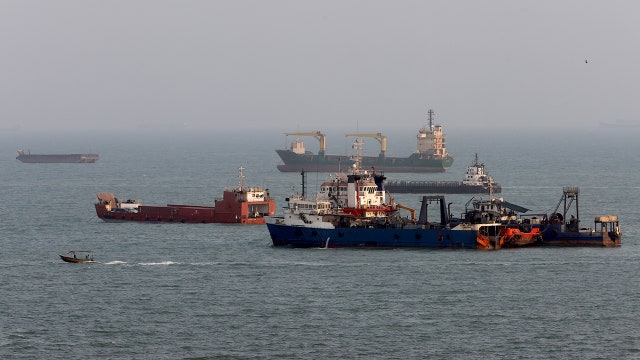
Furthermore, counterterrorism authorities were invoked to sanction Dubai-based H N B Trading Co LLC, alleging it received hundreds of thousands of dollars from a front company tied to Iran’s Armed Forces General Staff to help pay for the charter of a vessel alongside sanctioned shipping firm Dragon Road Ltd.
The immediate consequence of these sanctions is the freezing of any U.S.-based assets or property interests belonging to the designated individuals and entities — as well as any businesses 50% or more owned by them — with Americans strictly barred from transacting with them.
A stern warning has also been issued to foreign financial institutions: facilitate significant transactions for these sanctioned networks, and risk losing access to crucial U.S. correspondent accounts. Whistleblowers who report sanctions violations resulting in penalties exceeding $1 million might ultimately qualify for federal awards.
This decisive action by the Trump administration exemplifies the "America First" doctrine in practice — a bold, uncompromising stance against hostile regimes that threaten global security and undermine the financial system. It sends a clear message: the days of allowing Iran to fund terror and instability with impunity are over.