Washington is telling Americans across the Middle East to be ready to get out.
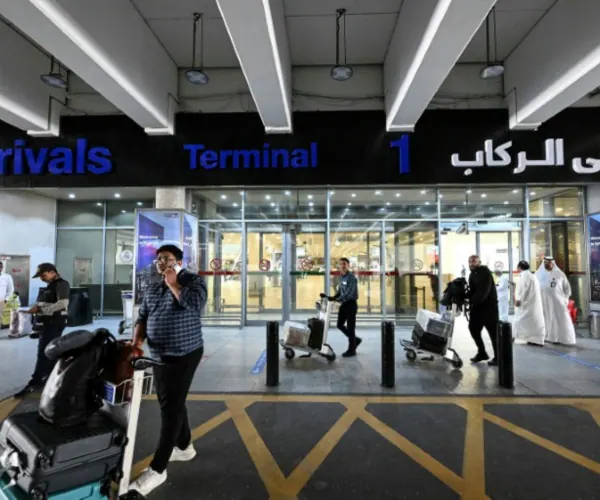
U.S. embassies across the region issued a coordinated warning Saturday, urging American citizens to prepare for the possibility of leaving as officials cautioned about an “unforeseen escalation” in the conflict.
The alerts went out across Bahrain, Egypt, Iraq, Israel, Jordan, Kuwait, Lebanon, Oman, Qatar, Saudi Arabia and the United Arab Emirates.
The message was unmistakable: Americans in the region should not assume the situation will remain calm.
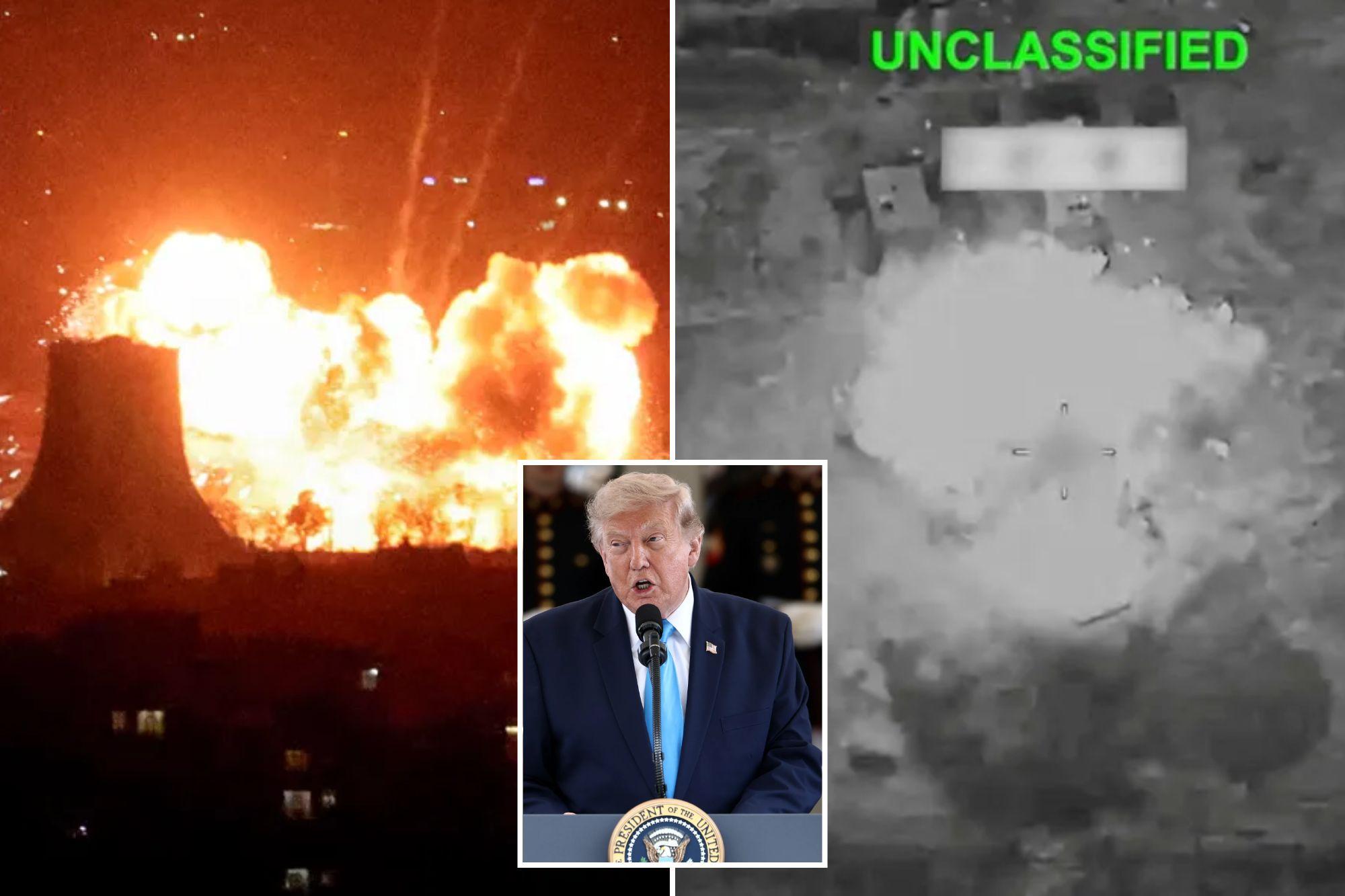
The warnings came just one day after President Donald Trump threatened to hit Iran “very hard,” adding another layer of pressure to an already volatile confrontation.
The region had experienced a period of relative calm following a ceasefire, but that calm did not hold. Strikes resumed, underscoring the reality that any expectation of a lasting de-escalation remains fragile.
For American citizens living or traveling throughout the region, the embassy warnings are more than routine diplomatic language. They are a signal that U.S. officials see circumstances capable of changing rapidly—and that waiting until the last minute to make an exit plan could carry serious consequences.
Trump's approach has been markedly different from the years of endless diplomatic promises that often produced little more than temporary pauses. His warning to Iran carries a simple message: America is not looking for another drawn-out conflict, but Washington will not ignore threats against American interests.
That is the reality of an America First foreign policy. Strength is supposed to prevent war, not invite it.
The immediate priority for Americans in the region is preparation. Embassy officials are urging citizens to monitor security conditions, remain alert and be ready to depart if instructed or if circumstances deteriorate.
The warning also serves as a reminder of why deterrence matters. When hostile regimes believe America will tolerate escalation indefinitely, the danger does not disappear—it grows.
Now the Middle East is once again on edge, and thousands of Americans are being told to prepare for the possibility that the safest option may be to leave.
The message from Washington is clear: Do not assume the calm will last.