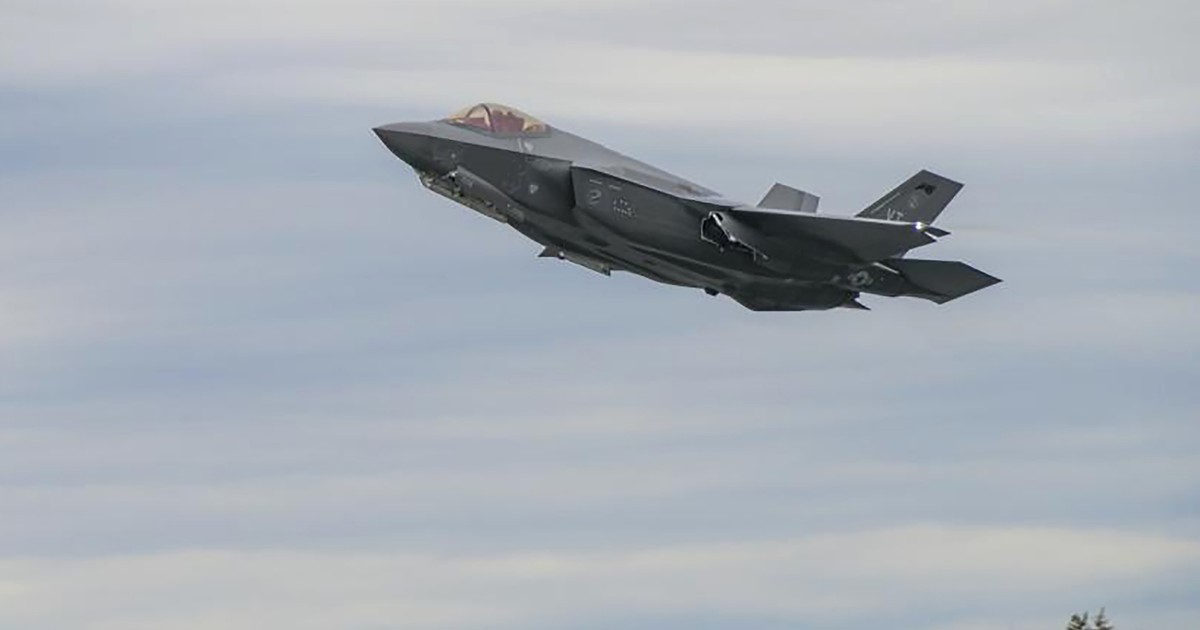
The landscape of modern warfare is shifting, and the United States Navy is refusing to be caught flat-footed. In a strategic move that underscores America’s commitment to maintaining its technological edge, the Navy is fast-tracking the integration of unmanned wingmen, known as Collaborative Combat Aircraft (CCAs), with its formidable F-35 Joint Strike Fighters. This critical upgrade won't wait for the next-generation F/A-XX, demonstrating a powerful "America First" approach to national security: securing dominance today, not just tomorrow.
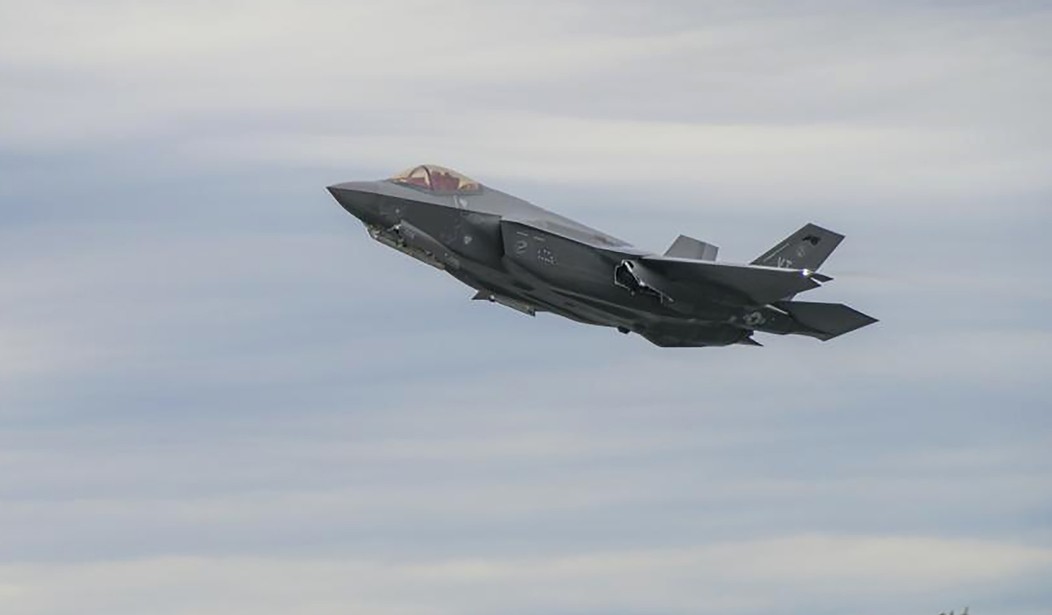
For too long, bureaucracy has threatened to slow down vital advancements, but not this time. The Navy, recognizing the undeniable rise of unmanned aerial vehicles (UAVs) as the future of combat, has made a decisive choice. Instead of deferring this crucial capability to the F/A-XX carrier-based fighter, which is still under development, they are equipping existing F-35Cs with the ability to control these advanced drones.
William Toti, performing the duties of Under Secretary of the Navy, articulated this urgent vision before the Senate Armed Services Committee. “CCA aircraft are an element of the future air fleet, the future combat capability of our aircraft carriers. We have been, for better – to put it in a better way, the Air Force has been leading this issue,” Toti stated. “We are following closely behind, but the integration of CCA aircraft in the Air Wing is critically important as we go forward.”
Toti further highlighted the practical and strategic advantages, noting, “We need low-cost, attritable assets in our Air Wing, and CCA will provide that.” This isn't just about innovation; it's about smart defense spending and ensuring our brave men and women in uniform have every advantage. While his official nomination for Under Secretary is still pending, Toti’s clarity on this vital issue is a breath of fresh air.
The urgency is self-evident. As nations like China and Russia aggressively develop their own advanced military capabilities, America cannot afford to lag. This proactive stance ensures that the U.S. Navy remains ahead of adversaries who are undoubtedly experimenting with similar unmanned technologies. In the high-stakes game of global defense, being behind is not an option.
Imagine the strategic benefits: unmanned aircraft like the "X-BAT" (which sounds like something out of a comic book, but is deadly real) can perform reconnaissance, gather signals intelligence, execute air-to-ground operations, mitigate air defenses, and even engage in air-to-air combat. Crucially, these missions can be carried out without placing a pilot or weapons officer directly in harm's way, significantly reducing human cost and risk.
The F/A-XX, currently under development by Boeing, remains an important long-term asset. But the Navy's decision to retrofit the F-35s signals a vital understanding: national security cannot wait for future promises. It requires immediate action and the deployment of cutting-edge technology as swiftly as possible.
This forward-thinking strategy, championed under President Trump and War Secretary Pete Hegseth’s leadership, is a testament to the warrior ethos returning to America's military. It's about empowering our forces, protecting our personnel, and ensuring that American air power remains unrivaled. This is how we make our military truly great again: with decisive action, unwavering resolve, and a clear focus on American dominance in a dangerous world. Now, if only Congress could expedite the passage of the NDAA, our defenders would have even more reason to salute this progress.