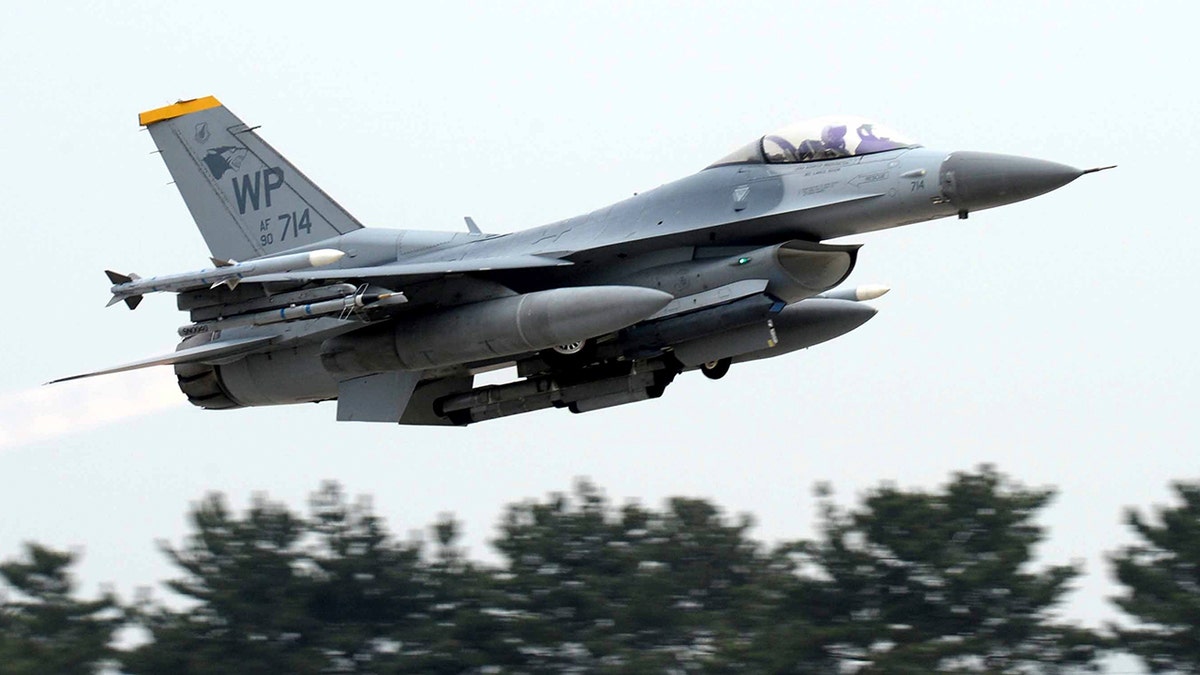
In a stark reminder of the constant vigilance required to maintain national security, North American Aerospace Defense Command (NORAD) F-16 fighter jets were scrambled this Sunday to intercept multiple general aviation aircraft. These unauthorized planes brazenly violated temporary flight restrictions over key areas in New Jersey.
More than ten general aviation aircraft breached restricted airspace over Bedminster and East Rutherford. Of these, NORAD confirmed it was forced to intercept three, underscoring a disturbing lack of attention to vital flight regulations.
The violations necessitated serious action, with NORAD F-16s deploying flares during two of the intercepts. While NORAD emphasized these flares were released "with the highest regard for safety, burn out quickly and completely, and pose no danger to people on the ground," their deployment is a clear signal of the gravity of the situation and the immediate need to gain pilots' attention.
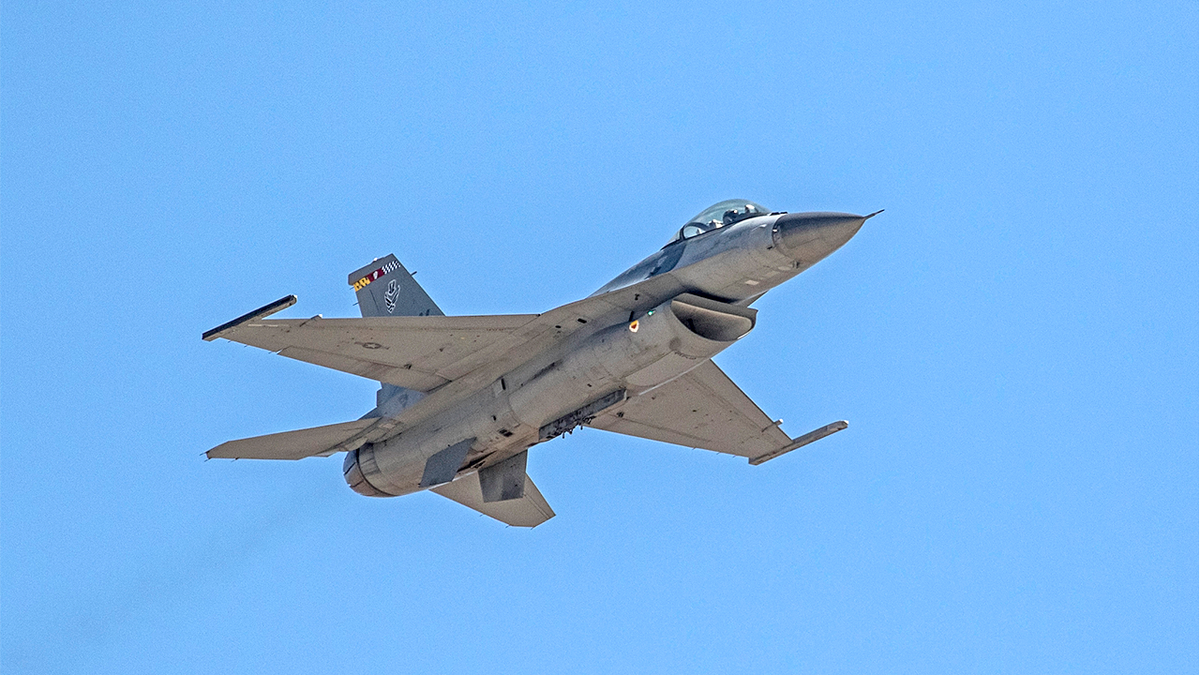
Thankfully, all general aviation aircraft were ultimately escorted safely out of the restricted zones by the NORAD jets. But the incident raises serious questions about pilot responsibility and the fundamental understanding of airspace regulations.
NORAD issued a direct warning to pilots: "Should NORAD aircraft intercept a general aviation aircraft, the pilot should immediately come up on frequency 121.5 or 243.0 and turn around to reverse course until receiving additional instructions on one of those frequencies."
This isn't rocket science. Pilots have a clear duty to uphold the safety and security of our skies. NORAD's simple message echoes common sense: "Pilots: check your Notice to Airmen (NOTAMS) and FAA Temporary Flight Restrictions" before taking to the air. National security and public safety depend on it. This incident serves as a critical reminder that while freedom of the skies is cherished, it must always be exercised with the utmost respect for law, order, and the defense of our nation.