In a powerful demonstration of American resolve, the Pentagon has launched a significant expansion of its counter-drug campaign in Latin America, deploying hundreds of U.S. Army troops to confront the ruthless drug cartels fueling chaos and crisis. This decisive move signals a clear commitment to national security and stemming the flow of illicit drugs that plague American communities.

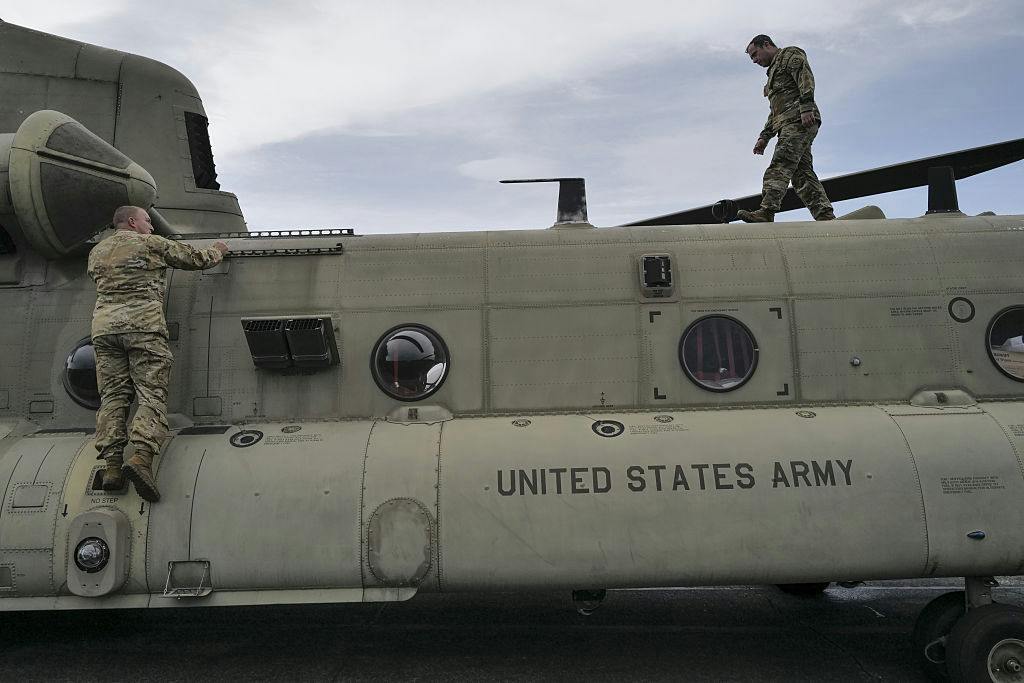
Soldiers from the elite 10th Mountain Division, based at Fort Drum, New York, have already begun their deployment, with initial assignments focused on intensive jungle training in Panama. These crucial operations are slated to extend into Colombia and Honduras, demonstrating a comprehensive regional strategy. While initial reports cited a battalion of approximately 600 soldiers, the U.S. Embassy in Panama clarified a specific two-week training course involves 120 troops. This slight discrepancy in immediate numbers does not diminish the broader strategic intent: a significant increase in U.S. military engagement against drug trafficking.
Beyond rigorous training exercises, these highly capable soldiers are prepared for a range of critical assignments. Their roles could include safeguarding American helicopters, providing essential support to U.S. Special Operations personnel, and assisting local militaries in their direct confrontations with suspected drug traffickers. This expanded presence is not just about presence; it's about active support for those on the front lines of a dangerous war.
Further underscoring the seriousness of this initiative, several hundred more soldiers from the division are expected to head to Miami. There, they will staff a vital command center overseeing all Western Hemisphere operations, ensuring a coordinated and effective response across the region. This is about putting American leadership back in charge of critical security issues.
This aggressive military push is a direct response to Washington’s renewed emphasis on regional governments intensifying their operations against cartels and fostering closer cooperation with American forces. Leading this charge is Secretary of War Pete Hegseth, who has championed the Americas Counter Cartel Coalition. Hegseth, a vocal advocate for American strength, succinctly articulated the coalition's powerful motto: "We do bad things to bad people." That's the kind of plain-spoken resolve Americans expect.
This expanded land-based strategy builds upon the Pentagon's existing, successful efforts, which have seen dozens of strikes over the past year against vessels in the Caribbean and Eastern Pacific identified as transporting drugs. The message is clear: the United States will use all necessary tools to disrupt cartel operations, wherever they may be.
Gen. Francis L. Donovan, who commands U.S. Southern Command, has affirmed the broad spectrum of options on the table. Donovan explicitly stated his openness to "land strikes" as a viable tool, alongside other vital measures such as arrests, the takedown of safe houses, and even the increased use of cargo scanners at border checkpoints. This holistic approach recognizes that securing America from the scourge of illegal drugs requires both military might and sharp enforcement.
This renewed commitment to confronting drug cartels at their source is a critical step in safeguarding American families, securing our borders, and restoring law and order. It is a powerful testament to an America First foreign policy that prioritizes the safety and well-being of its citizens above all else.