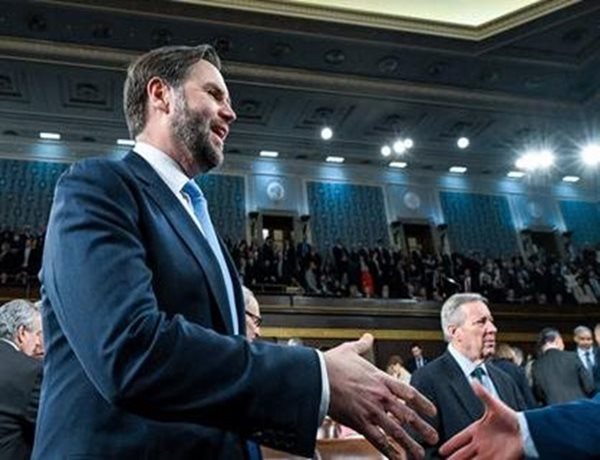
Vice President JD Vance announced Wednesday that the Trump administration will temporarily halt some Medicaid funding to Minnesota over concerns about widespread fraud, describing the move as part of an aggressive national crackdown on misuse of public money.
Vance made the announcement alongside Mehmet Oz, administrator of the Centers for Medicare and Medicaid Services, saying the pause is intended “to ensure that the state of Minnesota takes its obligations seriously to be good stewards of the American people’s tax money.”
Oz said the federal government will withhold about $259.5 million in Medicaid funds from Minnesota while the state addresses alleged fraud. He called those committing fraud “self-serving scoundrels.”
“This is not a problem with the people of Minnesota, it’s a problem with the leadership of Minnesota and other states who do not take Medicaid preservation seriously,” Oz said.
The action is part of a broader Trump administration push to spotlight fraud nationwide. It follows high-profile fraud allegations involving day care centers in Minneapolis and a nonprofit accused of stealing pandemic aid meant for school meals. Prosecutors have estimated losses in that case at roughly $300 million.
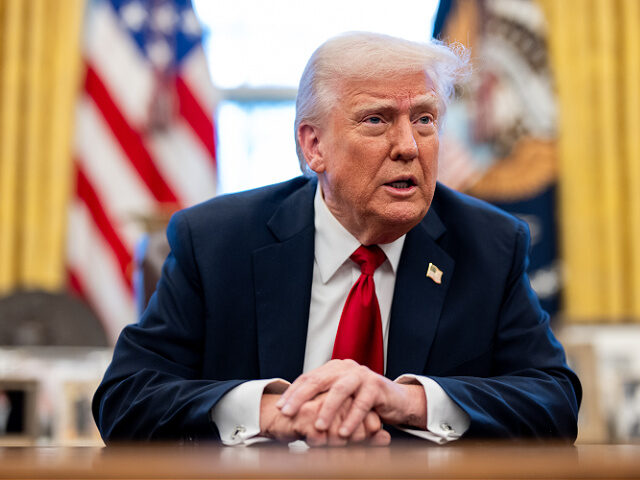
During his State of the Union address Tuesday, President Donald Trump announced that Vance would lead a national “war on fraud” and said his administration would no longer tolerate abuse of taxpayer-funded programs.
Oz said Minnesota will receive the withheld money only after submitting and implementing a “comprehensive corrective action plan.” He said the state has 60 days to respond and advised health care providers and Medicaid recipients to direct concerns to Gov. Tim Walz’s office.
Walz rejected the administration’s explanation, accusing Trump of targeting Democratic-run states.
“This is a campaign of retribution,” Walz said in social media posts. “Trump is weaponizing the entirety of the federal government to punish blue states like Minnesota. These cuts will be devastating for veterans, families with young kids, folks with disabilities, and working people across our state.”
A spokesperson for Minnesota Attorney General Keith Ellison said his office, which investigates Medicaid fraud, was preparing a response through the state Department of Human Services. Earlier Wednesday, Ellison promoted legislation that would expand his office’s staff and legal tools to combat Medicaid fraud.
Oz said CMS is also stepping up enforcement in Medicare, the federal health program for seniors. For the next six months, CMS will block new Medicare enrollments for suppliers of durable medical equipment, prosthetics and orthotics, sectors that federal inspectors say have been vulnerable to fraud.
According to the Office of Inspector General at the Department of Health and Human Services, Medicare improperly paid suppliers nearly $23 million for such equipment between 2018 and 2024, most of it before system changes were made in 2020.
Oz also announced a new crowdsourcing effort to collect tips from the public. “All of us are smarter than any one of us,” he said.
In a statement, CMS said the paused Minnesota funds include about $244 million in unsupported or potentially fraudulent Medicaid claims and roughly $15 million tied to claims involving individuals lacking satisfactory immigration status. Federal law bars undocumented immigrants, and some lawfully present immigrants, from enrolling in standard Medicaid programs.
CMS warned that if Minnesota fails to meet federal requirements, it could defer up to $1 billion in federal funding to the state over the next year.
Health policy experts called the move unusual. Akeiisa Coleman of the Commonwealth Fund said withholding funds could force Minnesota to delay payments to providers, potentially disrupting patient care.
The administration has recently threatened to cut funding to several Democratic-led states over fraud concerns. In one case, a judge ordered payments to continue to Minnesota and four other states while legal challenges proceed. Another judge blocked the administration from cutting off administrative funding for states that refused to share data on food assistance recipients.
The latest decision follows a series of federal actions targeting fraud in Minnesota, including new Treasury Department rules requiring extra verification for wire transfers to Somalia and a January notice from CMS that it intended to freeze payments for certain high-risk Medicaid programs.
Minnesota officials argue the measures could cost the state billions annually if prolonged, setting up what is likely to become another legal battle between the Trump administration and a Democratic-controlled state over control of federal spending and anti-fraud enforcement.