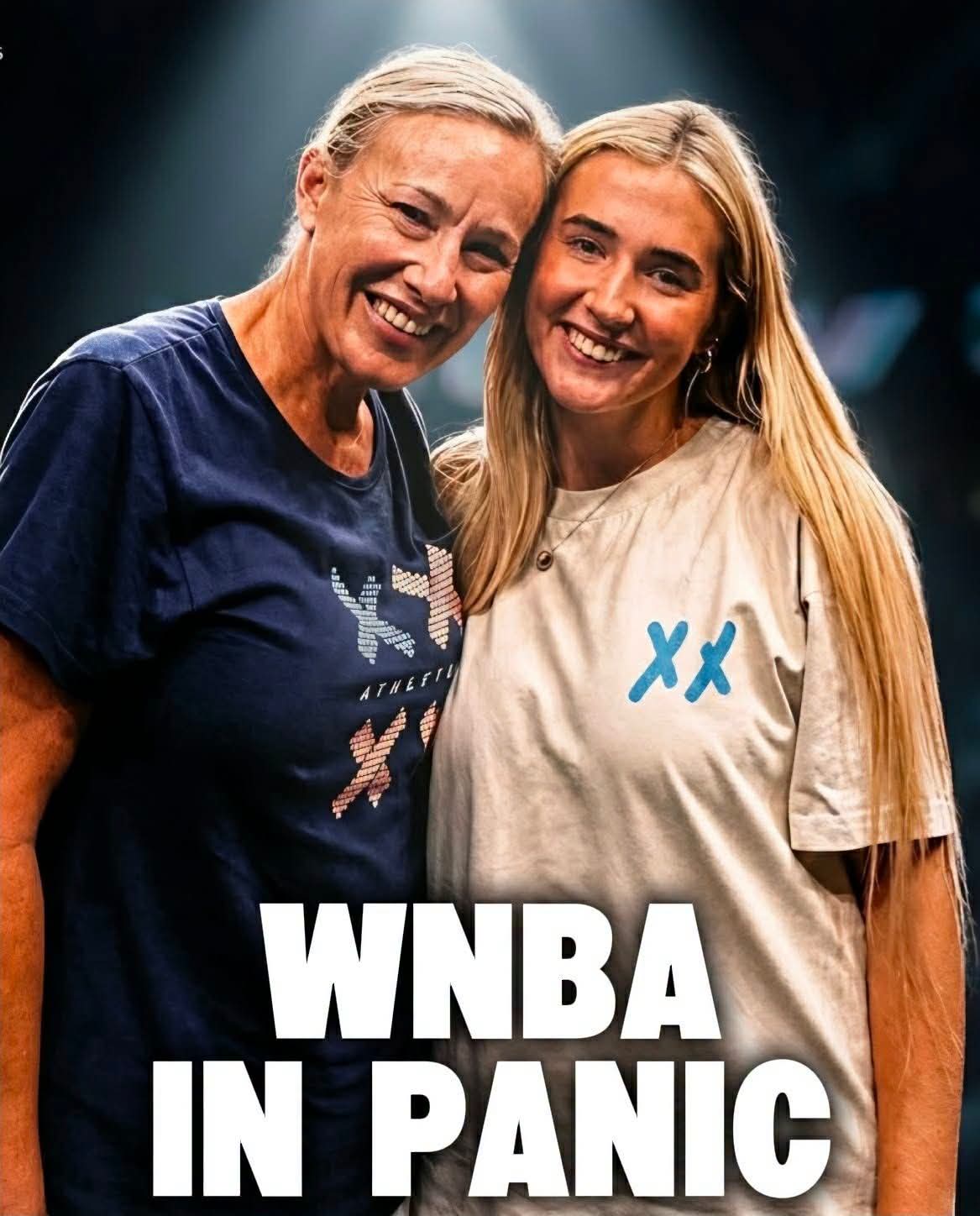
In another glaring example of selective 'inclusion,' a lesbian hip-hop artist claims the New York Liberty attempted to censor her paid scoreboard message at a recent WNBA game, ultimately refunding her money after she pushed back against the egregious overreach.
Julie Potter, a longtime WNBA fan, bought 25 tickets for more than $2,000 to attend the Liberty vs. Fever game at Barclays Center, primarily to support Indiana’s Sophie Cunningham, an athlete known for her strong stance on protecting women's sports. Potter also paid an additional $100 to display a message on the arena scoreboard during halftime, a common practice for fans wanting to celebrate or commemorate events.
The message Potter submitted was clear and principled: "Thank you Jennifer Sey! XX-XY Athletics will Save the Day!!" Initially, the Liberty approved the message and accepted payment. However, just one day before the game, the team's sales department informed Potter that the wording had been unilaterally changed.
The Liberty's revised message read: "Thank you Jennifer Sey, thank you for all you do for XX-XY Athletics." The alteration was a transparent attempt to neutralize the original message's punch and remove its core advocacy for the integrity of women's sports.
Jennifer Sey, a former national champion gymnast and ex-Levi Strauss & Co. brand president, founded XX-XY Athletics as an apparel company dedicated to advocating for keeping transgender athletes out of female sports categories. Potter's original message, a direct nod to Sey's work, evidently struck a nerve with the Liberty's management.
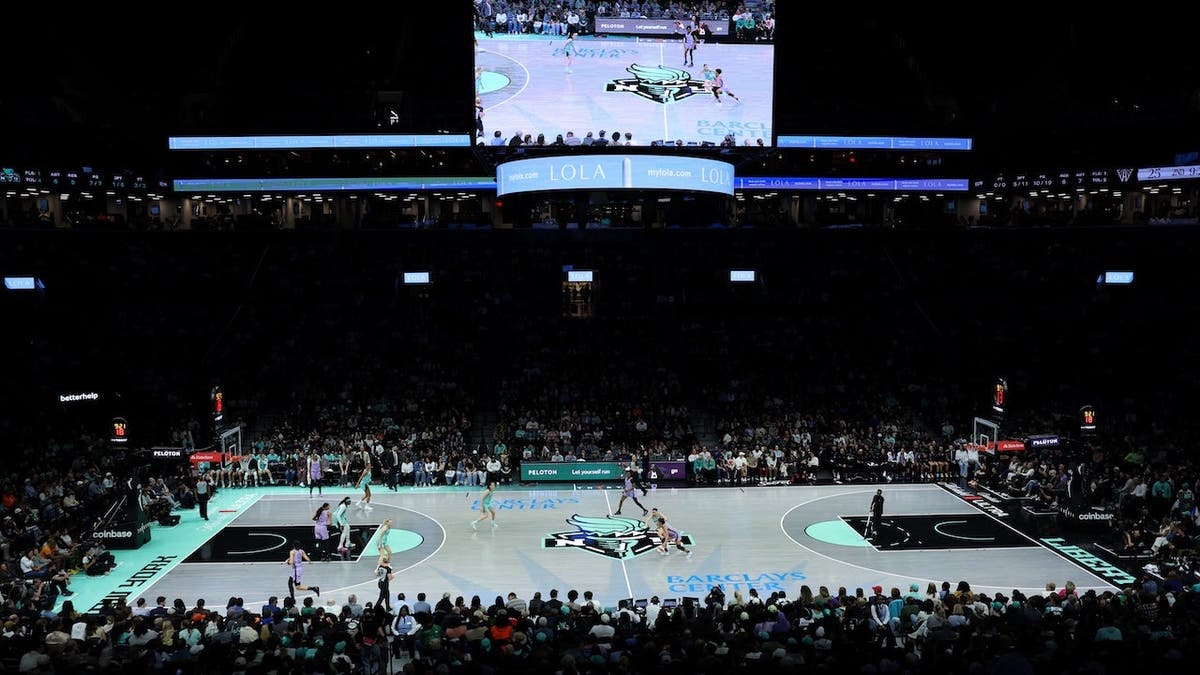
When confronted by Potter, the Liberty sales team offered a thin excuse for the censorship, stating: "Our scoreboard messages are limited to positive, celebratory content, and submissions that may intentionally or unintentionally violate that spirit are not eligible for display." This vague justification rings hollow given the original message was simply a thank you and a statement of hope for women's sports.
Potter rightly called out the team's actions as "censorship," challenging their arbitrary standard. "My message was approved and payment was accepted. You then changed it without giving me any opportunity to revise or respond, and you did so inside your own 48-hour window," Potter wrote, adding, "Why would I pay to let you speak for me?"
The Liberty's public scoreboard-message form, it should be noted, does not list additional content restrictions beyond submission deadlines and a note that proceeds support a foundation. Potter confirmed she diligently followed all stated rules, intentionally avoiding any derogatory language or explicit references to the "Save Women’s Sports" movement to prevent triggering a reaction.
"I don't know what that means. What did I do wrong? I want a code. I want a violation. I read everything. I read their website. I made sure to follow the rules," Potter emphasized. "I said nothing derogatory. I didn't even say, ‘Save women's sports.’ I just said, ‘Shout out to the CEO of a dope company who's changing the world from my perspective.’ That's obviously not their perspective, but is this America? Can we have different perspectives?"
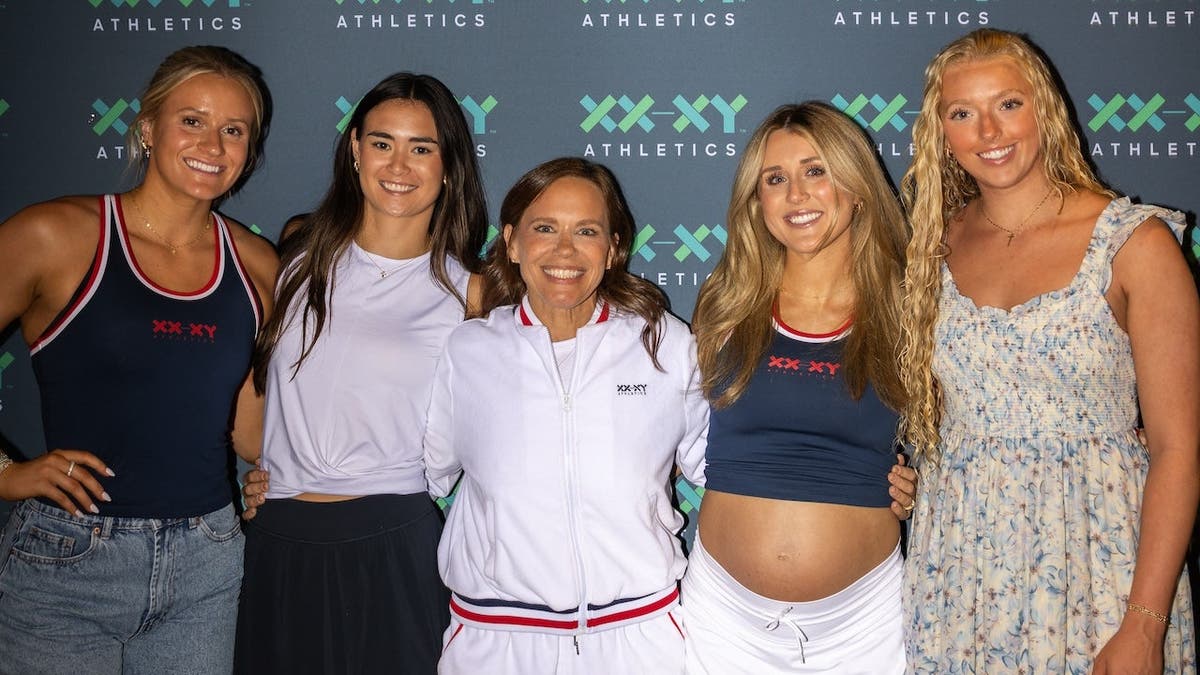
This incident is not isolated. The WNBA has recently faced increasing scrutiny for its handling of fans supporting traditional women's sports. The league itself admitted security was wrong to make fans cover XX-XY Athletics shirts at a Fever game in Atlanta, and the Seattle Storm even suspended a co-owner for confronting teenage girls holding signs supporting Cunningham.
The Alliance Defending Freedom (ADF) sent a letter to WNBA leadership addressing these concerning incidents, with legal counsel Suzanne Beecher stating, "The WNBA claims to stand for female athletes, but we've seen recent current events undermine that claim." Texas Attorney General Ken Paxton has also voiced his admiration for Cunningham and urged the league to protect fans' ability to express differing opinions. Potter's case now stands as another stark example for critics questioning the league's commitment to genuine free expression.
Julie Potter, a fan since the WNBA's inception, now plans to redirect her support, vowing to purchase tickets for Fever games and other organizations that align with her principles on women’s sports. "My money shall be directed to where it is welcomed. And if they have a scoreboard, and I can put it up, and Jen gets to roll, I will," she declared, demonstrating the direct financial consequences of corporate censorship.
This ongoing pattern of silencing voices that advocate for biological reality in women's sports exposes the WNBA's hypocrisy. A league that purports to be inclusive and empowering for women appears only to extend that courtesy to those who conform to a narrow ideological agenda. For many Americans, this isn't just about a scoreboard message; it's about the fundamental right to free expression and the integrity of American values against a rising tide of corporate-mandated 'woke' ideology.