The Wall Street Journal, a publication often viewed as a cornerstone of financial reporting, recently published a story taking aim at Jared Kushner's ambitious Albanian resort project. Yet, a critical detail was conspicuously absent from the prestigious paper's pages: one of the report's co-authors is deeply tied to a news organization directly funded by George Soros's Open Society Foundations. This glaring omission raises serious questions about journalistic integrity and the unseen forces at play in reporting on figures associated with the America First movement.
The August 8 report, titled "The Suspected Gangster Causing Headaches for Kushner's Albania Deal," bore the bylines of WSJ staff reporter Eliot Brown and Vladimir Karaj. It delved into allegations from Albanian prosecutors against Artur Shehu, a landowner who sold property to the Kushner-backed development group before facing a cocaine trafficking and money laundering investigation.
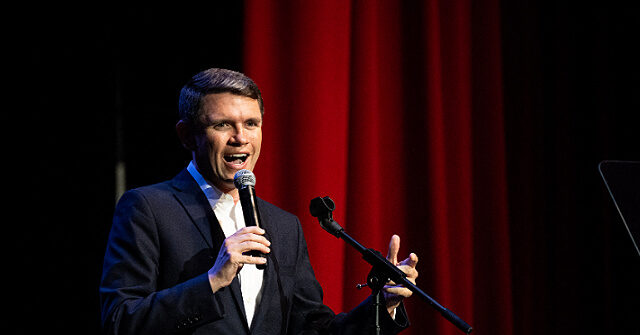
Karaj, however, is no ordinary freelance contributor. He serves as an editor at the Balkan Investigative Reporting Network's (BIRN) Albania office, which operates Reporter.al. BIRN's own donor page openly declares that the Open Society Foundation Albania bankrolls its "anti-corruption program" through "investigative reporting." Reporter.al also receives grants from the very same Soros foundation.
But the Soros web extends even further. The Special Structure Against Corruption and Organized Crime (SPAK), the prosecutors' office spearheading the case against Shehu, traces its roots directly to this same donor network. SPAK was a creation of Albania's 2016 justice reform, an overhaul staunchly supported by the U.S. with approximately $270 million in USAID spending over fifteen years, much of it routed through Soros-linked organizations.
Andi Dobrushi, the executive director of OSF Albania, made his foundation's role unmistakably clear. "OSF Albania has been the main funder of the entire reform process," Dobrushi stated, leaving little doubt about the depth of their influence.
This deep entanglement did not go unnoticed by common-sense conservatives. In 2017, six Republican senators, including the vigilant Sen. Mike Lee (R-UT) and Sen. Ted Cruz (R-TX), pressed the State Department to scrutinize the relationship between USAID and the Soros foundations in Albania. Judicial Watch later unearthed embassy records via Freedom of Information Act litigation, revealing that the U.S. mission in Tirana actually allowed the Soros organization input into its own program funding reviews.
While the Open Society Foundations have predictably dismissed claims linking their work to U.S. government money as "manifestly false," their consistent presence and funding across various key institutions, from media outlets to judicial reforms, paints a telling picture of strategic influence.
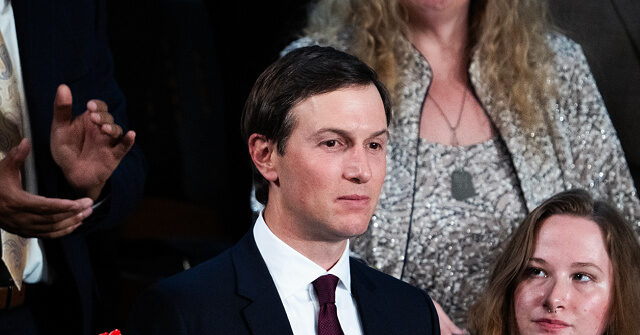
Meanwhile, Kushner's $1.4 billion Sazan Island project faces daily protests in Tirana, a climate often fueled by politically motivated activism. Adding another layer to this intricate dance is Albanian Prime Minister Edi Rama, himself described as Soros-linked and known for calling Alex Soros his "brother in Tirana." Despite the controversy, Rama has unequivocally vowed that the development will proceed.
What remains undeniable is the Wall Street Journal's critical lapse in judgment. The paper made no mention of Karaj's employment or his organization's direct funding by George Soros anywhere in its report. This omission isn't just an oversight; it's a profound failure of transparency that allows a politically aligned narrative to appear as objective journalism, underscoring the vital need for media accountability in an era where public trust is constantly eroded by hidden agendas and establishment influence that seeks to undermine American values.