American troops serving in the Middle East, valiantly putting their lives on the line for our nation, are being dangerously exposed by an unlikely culprit: a fitness tracking app. Despite years of explicit warnings from the Pentagon itself, their movements, routines, and even relocated positions are routinely broadcast to anyone who bothers to look – including hostile adversaries like Iran.
An alarming investigation uncovered over 1,300 Strava users sharing thousands of workouts from critical U.S. military installations across the Middle East. These aren't just casual posts; many users were sharing under their real names, revealing exact routes, precise times, and even activity at bases not publicly marked on maps. It's a national security blunder of staggering proportions, laid bare for our enemies to exploit.
Consider the deeply troubling case of Muwaffaq Salti Air Base in Jordan. Before the war with Iran intensified, personnel posted hundreds of workouts from across the base. The posts abruptly stopped when fighting erupted in February, only to resume during the April ceasefire. But the routes had changed, with 76% of new workouts originating or ending near barracks on the base's eastern side – effectively signaling a relocation.
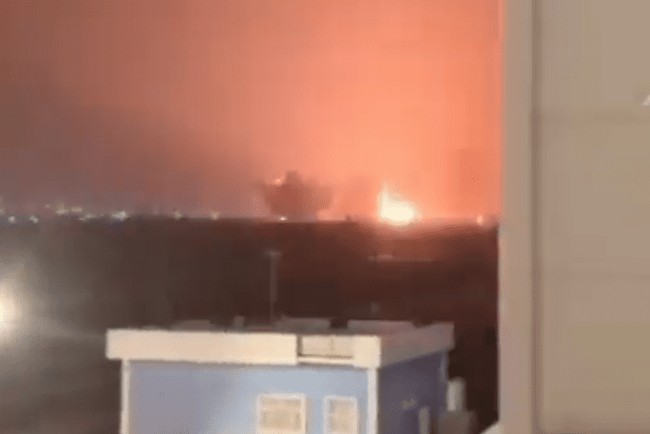
A publicly accessible workout was posted from that very base on July 16. The very next day, Iran attacked those barracks, tragically killing three American soldiers. While officials note there's no definitive proof Iran directly 'used' Strava to select the target, the critical information was undeniably public just hours before the deadly strike. The link between exposed vulnerability and devastating consequence is impossible to ignore.
Another stark example unfolded in Bahrain. A Navy contractor, assigned to the U.S. Fifth Fleet headquarters in Manama, regularly posted runs from the naval base. Days before the war began, his posts from the base ceased. Two days later, his Strava account showed him running laps around the courtyard of the Crowne Plaza hotel, where military personnel had coincidentally been relocated.
Six days later, Iran bombed that very hotel during attacks on the naval base, reportedly wounding two Pentagon employees. Again, a publicly accessible trail from a sensitive military installation to a temporary relocation point became available, just before the attack. Eighteen brave service members have been killed since the war began, a grim toll that underscores the deadly stakes of this negligence.
The most infuriating part? The Pentagon knew. USCENTCOM has reportedly "received multiple threat reports concerning adversary exploitation of commercial location data to target or surveil U.S. personnel in theater." This isn't a new threat; it's a persistent, unaddressed vulnerability that has lingered for years.
As far back as August 2018, after Strava's global heat map famously exposed activity around military installations worldwide, the Deputy Secretary of Defense issued a clear directive. Personnel were explicitly "prohibited" from using geolocation features on government-issued or personal devices in designated operational areas. The memo wasn't vague; it warned, "These geolocation capabilities can expose personal information, locations, routines, and numbers of DoD personnel, and potentially create unintended security consequences and increased risk to the joint force and mission."
And yet, here we are. The problem not only persists but continues to endanger the very men and women sworn to protect our nation. The failure to enforce clear directives, or to adequately address this glaring security flaw, falls squarely on those responsible for operational security and troop welfare. Our service members deserve better than to have their lives jeopardized by bureaucratic inertia and a simple fitness app. It's a common-sense issue of national security and accountability that demands immediate, decisive action to safeguard those who safeguard us all.