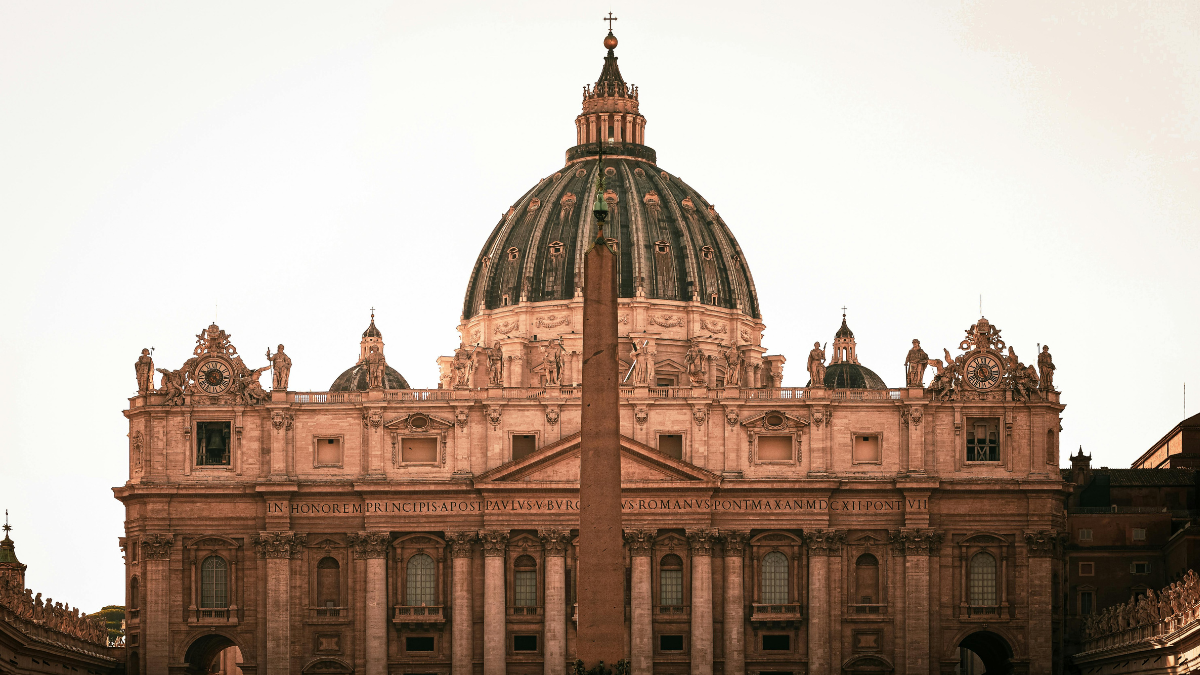
Faithful Catholics and church leaders are raising serious concerns after the Vatican published a controversial synod study group report that included testimonies from two men in same-sex “marriages” who criticized long-standing Catholic teaching on homosexuality.
The 32-page document, released earlier this month by the Vatican’s General Secretariat of the Synod, was prepared by Study Group No. 9, one of several groups launched under Pope Francis in 2024. The report immediately sparked backlash among Catholics who believe the Church is drifting away from core biblical and doctrinal teachings in an effort to appease modern cultural pressures.
At the center of the controversy are testimonies from two men in same-sex relationships who claimed they were harmed by the Church’s traditional teaching that homosexual acts are “contrary to the natural law.” That doctrine has been part of Catholic teaching for centuries, rooted in scripture and Church tradition—not exactly something most believers expected Vatican study groups to suddenly start treating like an outdated corporate policy manual.
Critics argue that including such testimonies in an official Vatican report creates confusion among the faithful and signals a broader attempt to soften or reinterpret clear Church teachings on morality and family structure.
Many conservative Catholics see the situation as part of a larger ideological struggle happening inside the Church, where progressive factions continue pushing for changes on issues involving sexuality, marriage, and doctrine. For traditional believers, the concern is not simply about one report, but about preserving the integrity and consistency of Catholic teaching in an era where cultural activism increasingly pressures religious institutions to conform.
The growing frustration has led some Catholic leaders to describe the moment as an “emergency in the Church,” warning that ambiguity on fundamental teachings risks weakening trust among millions of faithful believers worldwide.
Supporters of traditional doctrine continue emphasizing that compassion and respect for individuals should never require abandoning biblical truth or centuries of established teaching. Conservatives inside and outside the Church argue that faith institutions should remain anchored in their core principles rather than reshaping doctrine to satisfy shifting political and social trends.
As debate over the report intensifies, many Catholics are calling for clarity, stronger leadership, and a renewed commitment to the foundational teachings that have guided the Church for generations. For faithful believers, the hope remains that truth, tradition, and spiritual conviction will ultimately prevail over modern ideological pressure.