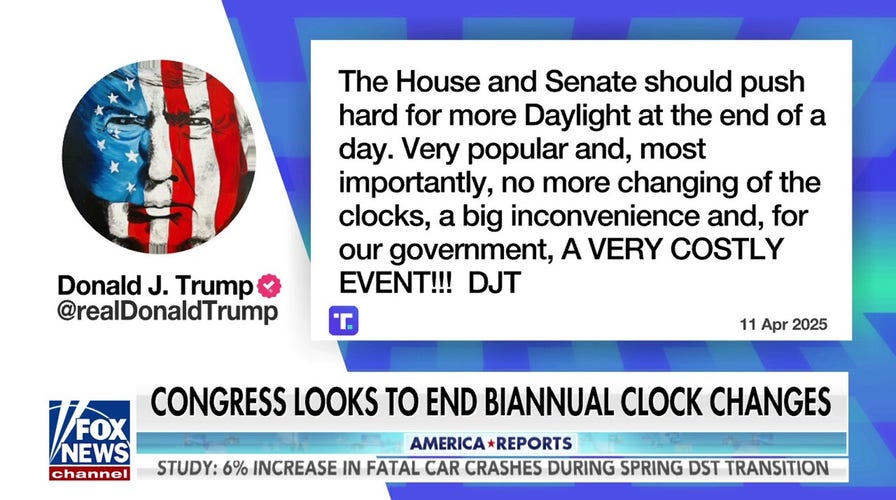
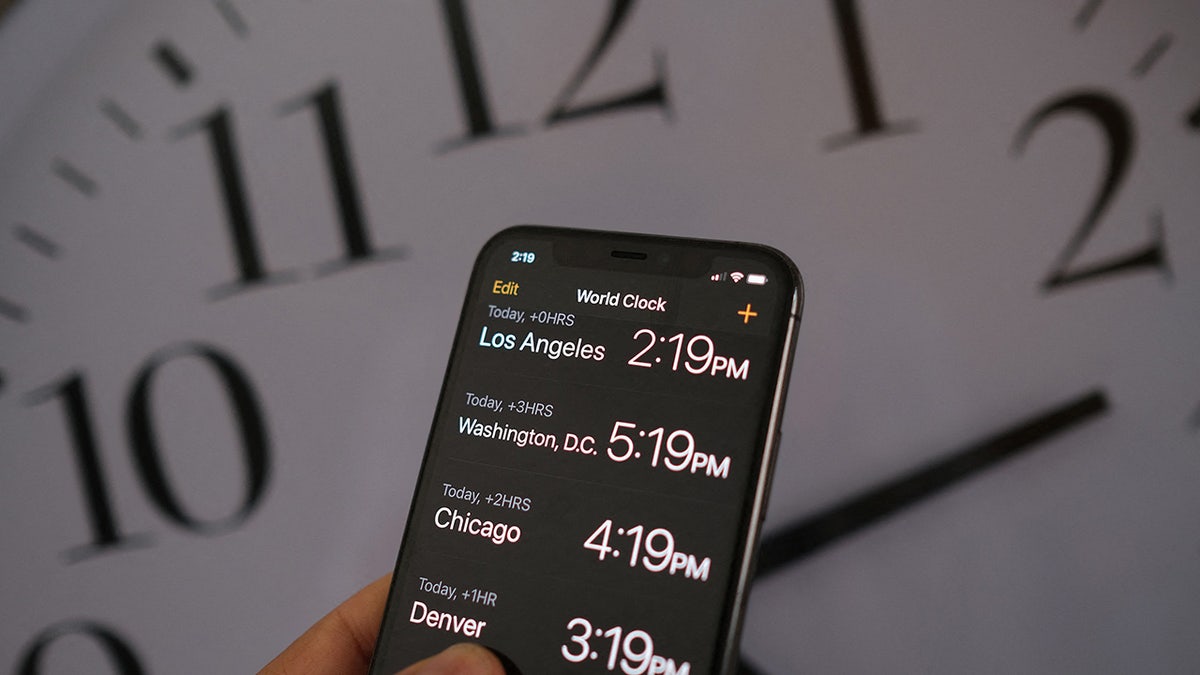
After years of debate and the frustrating ritual of "springing forward" and "falling back," a common-sense measure to liberate Americans from the archaic practice of changing clocks twice a year is marching forward in Congress, backed by the unwavering support of President Donald Trump.
The House Rules Committee on Monday advanced the Sunshine Protection Act, teeing up a crucial floor vote that could finally bring an end to the biannual time shuffle. The committee approved the rule in a 6-4 vote, signaling a significant step toward a brighter future for millions of Americans.
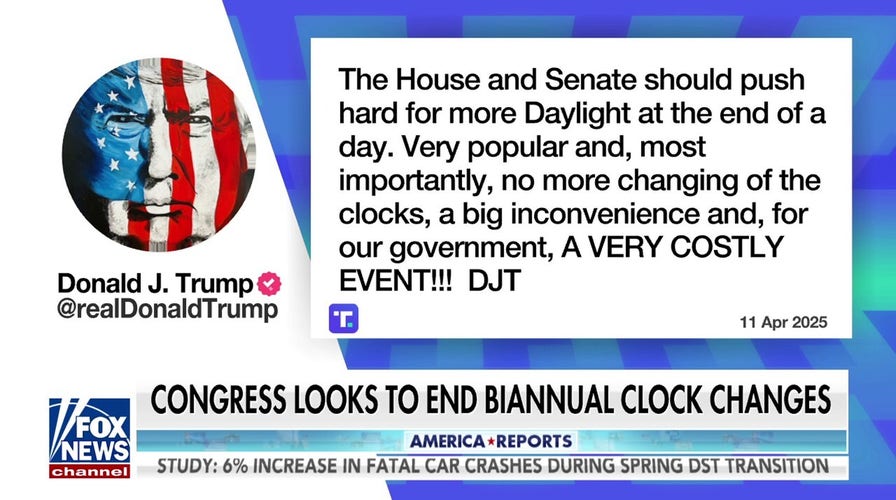
This measure, a long-held desire of coastal lawmakers and championed vocally by President Trump, would allow states to enact Daylight Saving Time year-round. It's a simple, popular reform that Hawaii and most of Arizona already understand: ditch the clock changes and embrace consistency.
President Trump has repeatedly urged Congress to make Daylight Saving Time permanent, recognizing it as a tangible benefit for the American people. Proponents argue that the constant resetting of clocks carries negative health impacts, while a permanent Daylight Saving Time would deliver a much-needed boost to outdoor recreation, tourism, and overall economic activity.
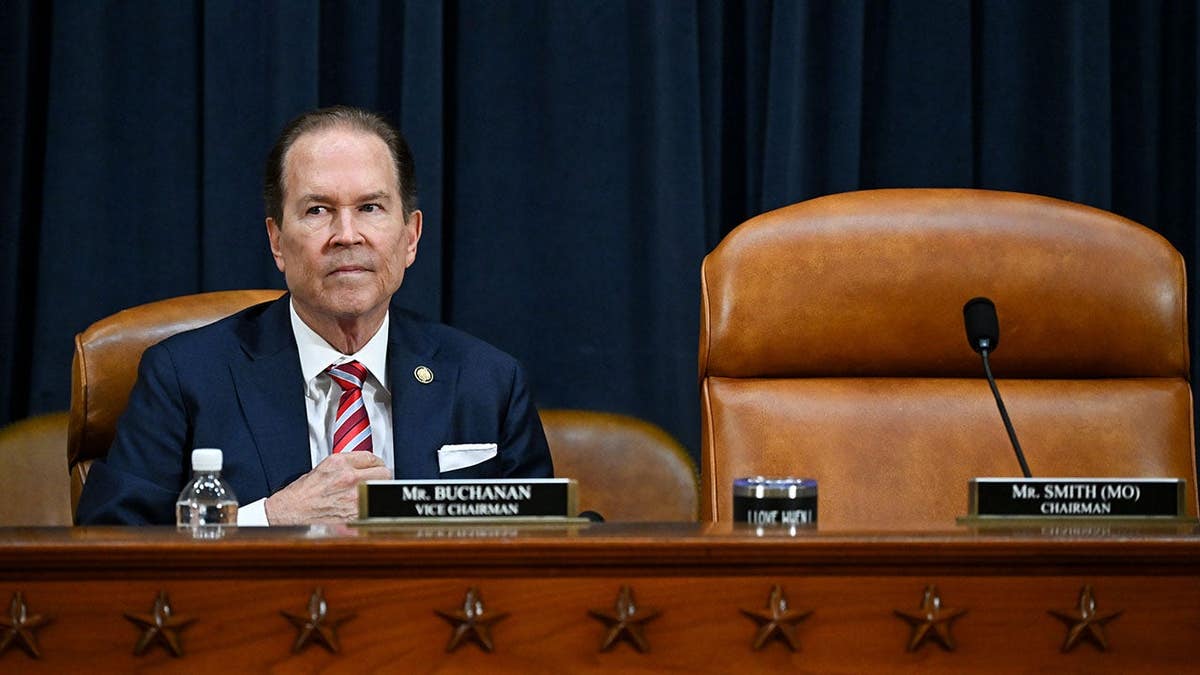
Rep. Vern Buchanan, a Florida Republican and the author of the measure, encapsulated the widespread sentiment: "Floridians and Americans across the country are tired of the biannual time change, and the evidence is clear that permanent daylight saving time can improve public health, reduce traffic accidents, lower crime and encourage more outdoor activity." He added, "Ending the clock change is a commonsense reform that will improve everyday life for millions of Americans."
Chairman Brett Guthrie, R-Ky., echoed this view, stating, "Americans are overwhelmingly supportive of this policy and want to end the practice of ‘springing forward’ and ‘falling back.’ Locking the clock all year long would have positive impacts on sleep schedules, energy conservation, motor vehicle safety, and our economy."
The momentum behind the bill is undeniable. It overwhelmingly passed the House Energy and Commerce Committee with a commanding 48-1 vote in May. President Trump himself celebrated the advancement, writing, "It’s time that people can stop worrying about the ‘Clock,’ not to mention all of the work and money that is spent on this ridiculous, twice-yearly production. It will also be a very nice WIN for the Republican Party. Take it! We are going with the far more popular alternative, Saving Daylight, which gives you a longer, brighter Day — And who can be against that — This is an easy one!"

Indeed, a host of states, including Alabama, South Carolina, Oregon, Maine, and Florida, have already passed legislation ready to make Daylight Saving Time permanent once Congress gives the green light. This isn't a radical idea; it's a popular choice many parts of the nation are eager to embrace.
Predictably, not everyone is ready to embrace such a straightforward improvement to daily life. Some medical organizations and Democrat lawmakers, including Reps. Mary Gay Scanlon of Pennsylvania and Nanette Barragán of California, have raised objections. They cling to arguments that permanent standard time, with its earlier morning sunlight, is somehow "healthier" for "circadian rhythms" – a concern that often overlooks the documented health disruptions caused by the biannual clock shifts.
Scanlon even proposed an amendment to impose permanent standard time nationwide, an effort that was swiftly and rightly rejected. She invoked the nation's brief and poorly managed experiment with year-round Daylight Saving in 1974, seemingly ignoring how much has changed and how a properly implemented system could benefit modern life.
Even as this common-sense measure gains momentum, some conservative voices, like Rep. Keith Self, R-Texas, rightly remind us that critical battles for border security and fiscal sanity still rage, waiting for their own decisive victories. Self warned that "Republicans are majoring in the minors — fiddling with the clocks while the country burns." While the fight for our nation's secure borders and economic future remains paramount, a win for the American people, especially one championed by President Trump, should never be dismissed as minor. It’s a step towards liberating Americans from an unnecessary burden and demonstrating that Washington can, occasionally, deliver on common sense.
The Senate previously passed a version of the Sunshine Protection Act in 2022, only for it to be stalled and ultimately die in the House amidst opposition. This time, with clear bipartisan momentum and the powerful voice of President Trump leading the charge, America stands closer than ever to a permanent end to the clock chaos, ushering in a brighter, more consistent daily life for all.