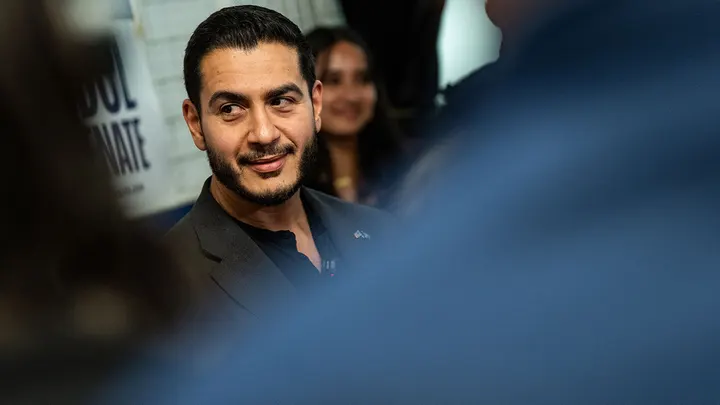
Winning an election is supposed to bring greater accountability, not a license to decide which questions deserve an answer. But Michigan Senator-elect Abdul El-Sayed is already drawing scrutiny for a pattern of hostile exchanges with journalists, including a viral confrontation just hours before his election victory.
The Democratic candidate, who won Tuesday’s midterm election, clashed with Sky News reporter James Matthews when the British journalist attempted to question him. The exchange quickly attracted attention, but it was hardly an isolated incident. El-Sayed has repeatedly responded to uncomfortable questions by interrupting reporters, questioning their motives, or dismissing their inquiries altogether.
And the pattern raises an important question: Is he prepared to face the scrutiny that comes with public office?
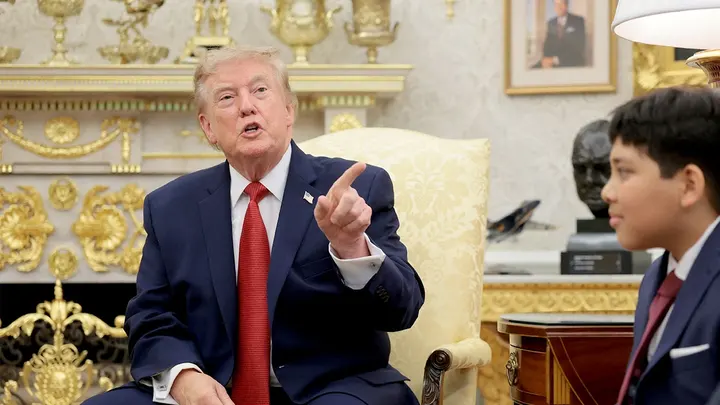
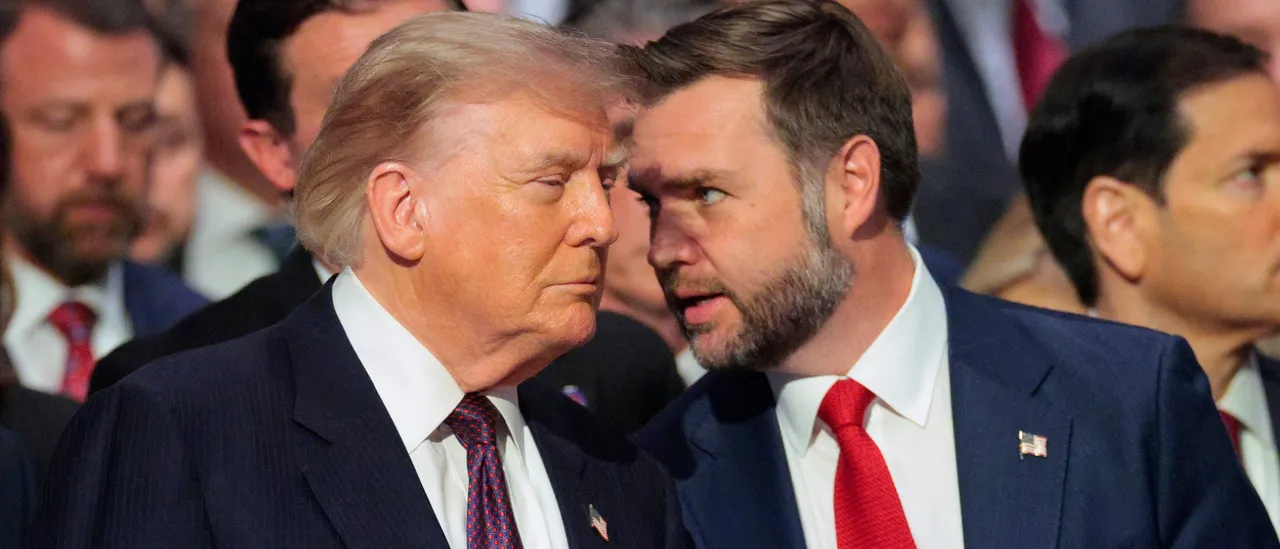
Tim Young, a media fellow at the Heritage Foundation, acknowledged that President Donald Trump has also frequently criticized members of the press. However, he argued that the motivations behind the two politicians' confrontations are fundamentally different.
"El-Sayed gets angry at the media for asking actual questions about him and his relationship to organizations like the Muslim Brotherhood. He legitimately doesn’t want to answer those questions, so he snaps," Young told Fox News Digital.
"Trump gets asked the same narrative-shaping questions all the time, then watches networks create false narratives about him on air, which makes him angry," Young continued. "The two are not the same."
El-Sayed's previous encounters with journalists provide plenty of context for that assessment.
During one exchange, he scolded a reporter for asking about Democratic Michigan Rep. Haley Stevens, responding sarcastically, "You’re really asking the questions that the people want to hear."
He then added, "Ask me a serious question."
Apparently, questions that challenge a politician's preferred narrative do not always qualify as serious.
The tensions became even more pronounced in October, when NBC News anchor Tom Llamas pressed El-Sayed about questions surrounding his family's alleged connections to the Muslim Brotherhood.
Rather than simply address the substance of the inquiry, El-Sayed pointed to his Michigan upbringing and professional background.
"It’s funny to me. I was born in 1984, down the street in Rochester Hills. I was raised here in Michigan, went to the University of Michigan, rebuilt the health department in this city, led the health department in this county, and you want to ask me about Egypt in 1970? Are you serious?" he responded.
El-Sayed subsequently accused Llamas of relying on "hearsay evidence from a tweet" and suggested the NBC anchor was "not serious."
He also challenged the reporter directly, asking, "Are you insinuating that somehow I was lying?"
But the uncomfortable exchanges did not stop there.
That same month, El-Sayed shut down questions from Free Press reporter Audrey Fahlberg about private remarks captured in leaked audio concerning Michigan residents mourning the death of Iranian Supreme Leader Ayatollah Ali Khamenei.
El-Sayed said he was willing to discuss issues such as gas prices and groceries but refused to address the leaked recording, accusing Fahlberg of pursuing clickbait.
"I’m just not interested in this dog and pony show," he said. "Ask smart questions."
Fahlberg maintained that the comments were relevant given El-Sayed's frequent discussions of foreign policy. She later described him as appearing furious whenever questions turned to the Iranian regime.
Weeks later, the Michigan Democrat found himself in another heated exchange, this time with Fox News "Special Report" anchor Bret Baier. During a discussion about the Muslim Brotherhood, El-Sayed repeatedly interrupted the veteran journalist.
His confrontational approach has also extended beyond traditional news interviews.
During a September conversation with former NBC anchor Chuck Todd, El-Sayed discussed the possibility of appearing on Bill Maher's program, taking aim at the comedian over his previous comments about Muslims.
"You know how many terrible things Bill Maher has said about people like me? Terrible, awful things," El-Sayed said.