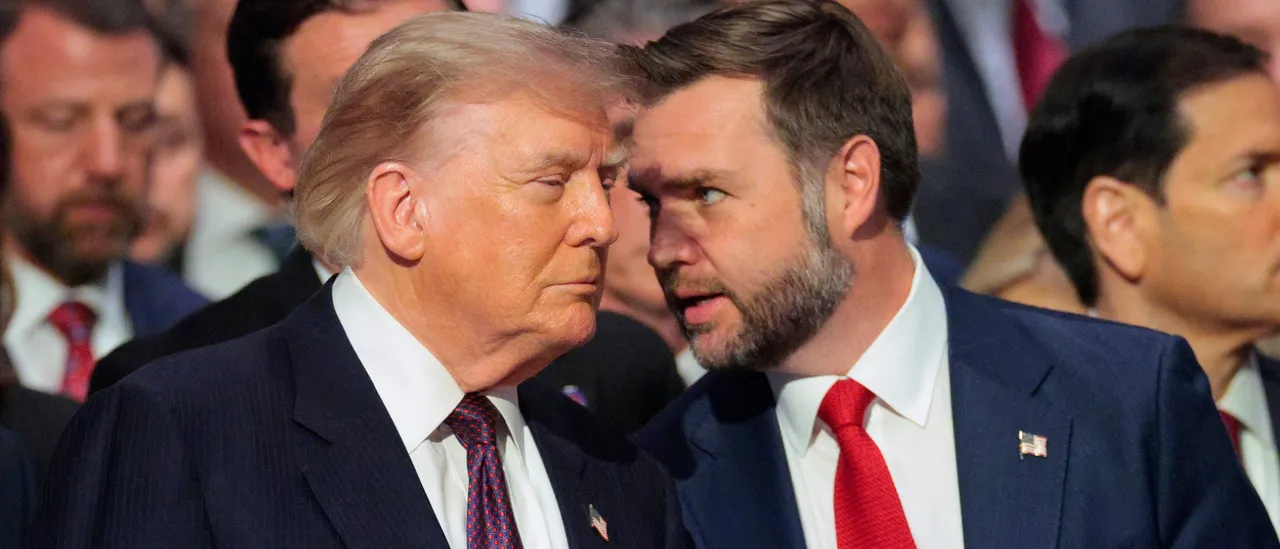
President Donald Trump has indicated that immigration could be an area of bipartisan cooperation when the new Congress takes office, but a White House official has drawn a firm distinction between negotiating policy and granting mass amnesty to illegal immigrants.
During an interview Tuesday with Fox News hosts Martha MacCallum and Bret Baier on election night, Trump was asked whether Democrats would be willing to work with him despite their frequent criticism of his administration.
Trump acknowledged that Democrats would have significant influence in the next Congress, while emphasizing that he would retain his presidential veto power. He said he hoped cooperation would make it unnecessary to use it.
“I’m a person that likes getting things done, and there are things that we can work with. We can’t work on everything,” Trump said.
He specifically identified immigration as a potential area for negotiations, arguing that the two parties should be able to find common ground on an issue that has remained central to the national political debate.
“But I can work with them on a lot of things. I mean, we can work with them on immigration. I think. Immigration is a big deal. I’ve always felt we should be able to work on immigration,” Trump told Fox News.
However, a White House official told the Daily Caller that Trump's willingness to discuss immigration does not mean his administration is prepared to support sweeping legalization for illegal immigrants. The official emphasized that Trump “will never allow for mass amnesty.”
The distinction comes as Democrats have increasingly challenged the administration's immigration enforcement policies. Some Democratic candidates and lawmakers have called for abolishing Immigration and Customs Enforcement (ICE) or significantly restricting its operations.
In August, the Democratic National Committee approved two resolutions calling for changes to federal immigration enforcement. According to Newsweek, the resolutions urged Congress to abolish ICE and phase out the immigration detention system.
The proposals also called for restricting Department of Homeland Security funding unless certain enforcement operations—including workplace raids, mass arrests and immigration actions near schools and places of worship—were ended. They further advocated terminating contracts with private immigration detention companies.
Those positions could complicate negotiations with an administration that has made immigration enforcement a central policy priority. Any agreement would have to address substantial differences over detention, deportations, border security and the federal government's authority to enforce immigration law.
The debate is also unfolding as Republicans assess their losses in both chambers of Congress following the midterm elections.
Vice President JD Vance offered his initial assessment in a post on X, arguing that frustration over the war, rather than simply low turnout, contributed to some 2024 Trump voters shifting their support toward Democrats.
Vance said Republicans must refocus on ending the war, lowering the cost of living and advancing America First policies. He also called for a reassessment of the U.S. relationship with Israel as part of the party's broader effort to address voter concerns.
At the same time, Vance cautioned Republicans against treating amnesty as a political solution. He accused establishment politicians of “gaslighting” voters and signaled that the party should not abandon its immigration commitments in response to electoral setbacks.
The competing messages point to a significant question facing Republicans: whether bipartisan immigration negotiations can produce narrower agreements without reopening the door to the kind of mass legalization the administration says it opposes.
Trump has expressed interest in finding areas of cooperation, but the White House's statement establishes a clear limit on what that cooperation is supposed to mean. The coming congressional session will show whether lawmakers can negotiate changes to immigration policy while preserving the administration's stated opposition to mass amnesty.