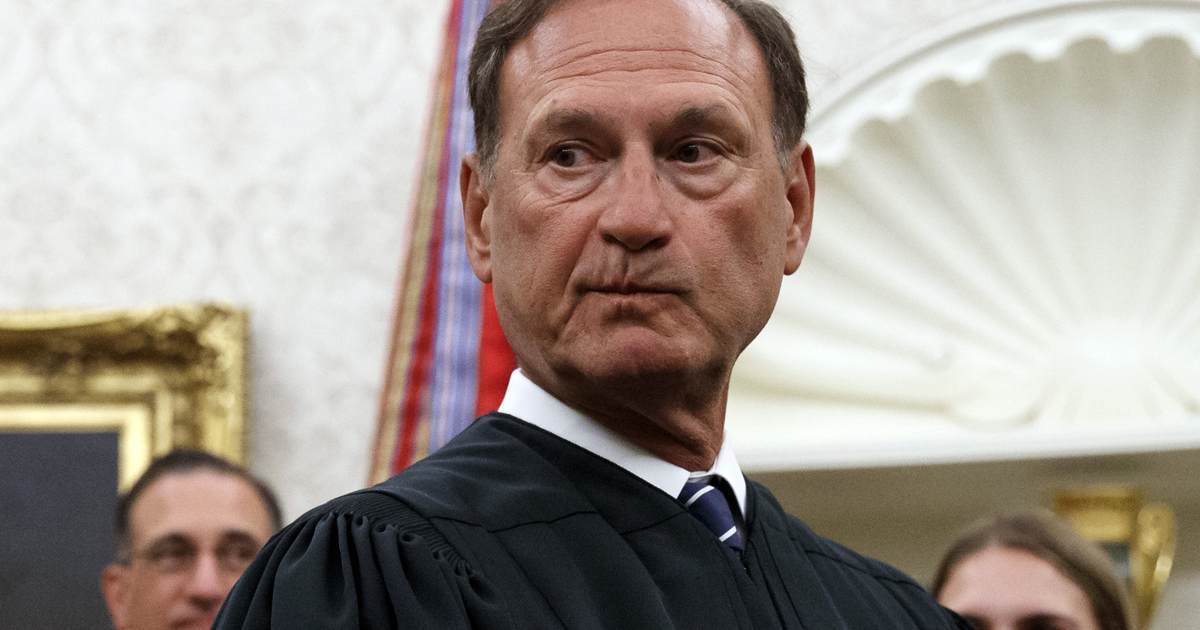
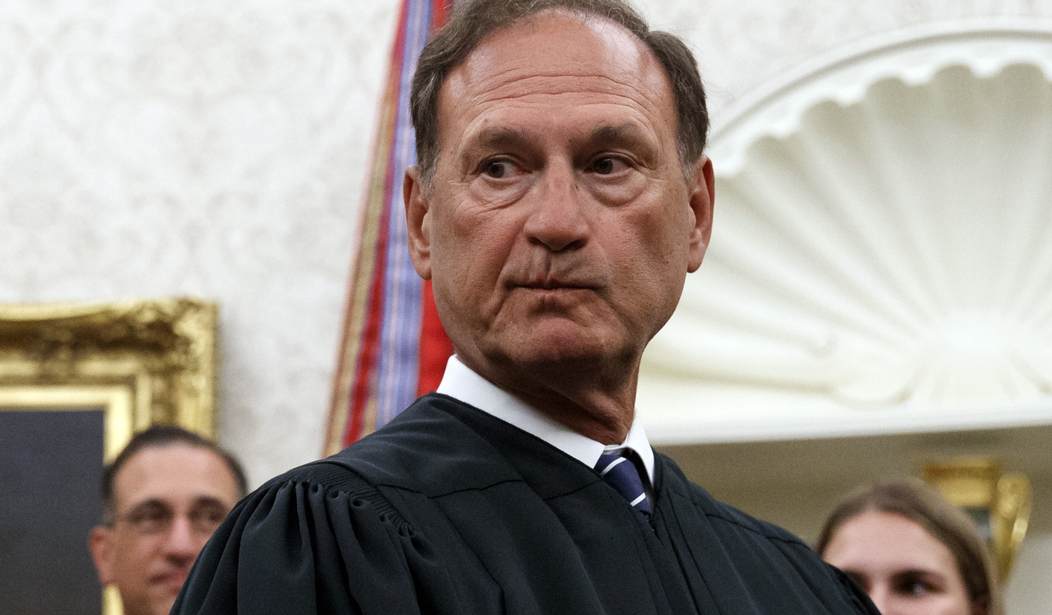
The American republic stands on the foundational pillar of three co-equal branches of government: the legislative, the executive, and the judicial. Yet, in an era marked by an increasingly radical Democrat Party, the judicial branch—specifically the Supreme Court—finds itself under unprecedented attack. Justice Samuel Alito, a staunch defender of constitutional principles, has issued a grave warning that should alarm every American who cherishes the rule of law and the independence of our institutions.
For years, the Supreme Court has often found itself a target, at times facing accusations of judicial activism, at others commendations for reining in the overreach of other branches. However, the current assault goes far beyond policy disagreements. The very existence of an independent judiciary is now in the crosshairs of the Democrat-controlled 120th Congress, raising the chilling specter of them literally turning off the lights at the highest court in the land.
The judicial Power of the United States, shall be vested in one supreme Court, and in such inferior Courts as the Congress may from time to time ordain and establish. The Judges, both of the supreme and inferior Courts, shall hold their Offices during good Behaviour, and shall, at stated Times, receive for their Services, a Compensation, which shall not be diminished during their Continuance in Office.
While the Constitution explicitly guarantees compensation for judges, what about the operational necessities—the staff, the communications, and the basic utilities that keep the lights on? Justice Alito recently sounded the alarm at the Federalist Society's Antonin Scalia Memorial Dinner, highlighting Congress's potent but dangerous "power of the purse."
"Congress can turn off the lights at the Supreme Court and stop everything from happening if they want to defund their activities. And there are many, many, many other things that they can do, or at least try to do," Alito said.
This is not merely about bureaucratic squabbles; it is about a fundamental shift in power that would eviscerate the checks and balances designed by our Founders. As Alito starkly warned:
"So, it is important to preserve the independence of the judiciary. If that is eliminated, then the Constitution as adopted in 1789 will no longer be the same."
Such a move would transform the Supreme Court from a co-equal branch into a subservient appendage of the legislative will, beholden to political whims rather than the steadfast interpretation of law. This alarming prospect aligns perfectly with a broader Democrat agenda that seeks to dismantle or fundamentally alter constitutional safeguards. From attempts to circumvent the Electoral College to the relentless push for court-packing—adding politically compliant justices to sway rulings—the goal appears clear: to ensure the Democrat Party is never again in the minority, and never again thwarted by constitutional limits.
Justice Alito's concerns extend beyond the Supreme Court itself. He noted that lower-level judges have, at times, issued "unjustified" orders that obstructed presidential policies, suggesting a worrying trend of judicial overreach driven by political leanings rather than legal principles.
"They are dedicated, and they are skillful, but they're not perfect, and they make mistakes. And in some instances, I think they have gone far astray in abuse of their powers."
The notion that Congress might simply yank the Supreme Court's funding seems radical, almost unthinkable. Yet, Alito's public apprehension follows a rare visit to Capitol Hill by Justices Elena Kagan and Amy Coney Barrett, who sought to advocate for increased judiciary funding and enhanced security amidst rising threat levels. This unusual action from within the Court itself underscores the seriousness of the financial and political pressures they face.
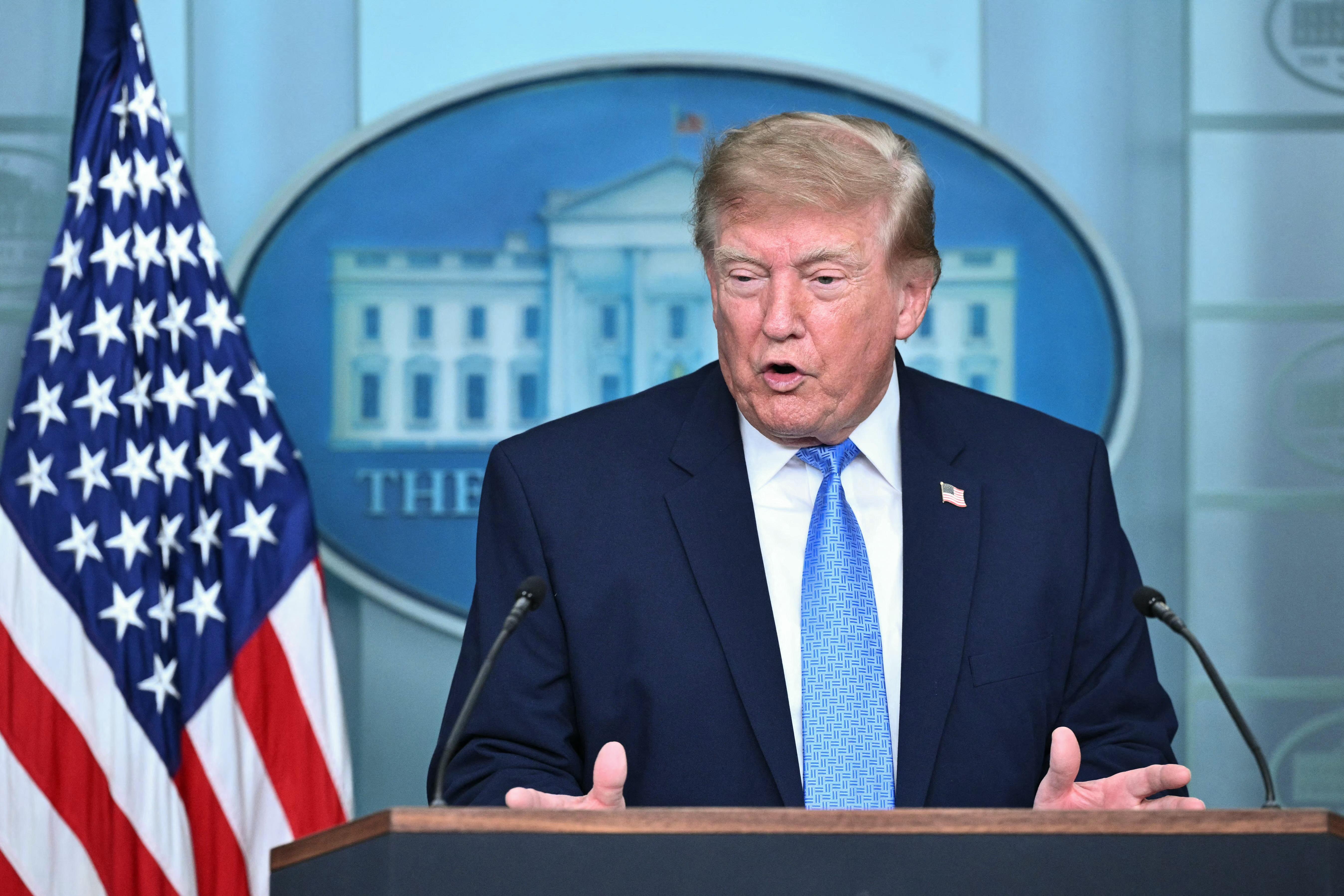
The radical left's determination to fundamentally change our republic is unmistakable. For now, President Trump's presidential veto power remains a crucial bulwark against runaway congressional ambitions. But the question looms large: what happens after that? The potential for a complete transformation of American governance, mirroring the disastrous one-party rule seen in states like California, serves as a stark reminder of the stakes involved. The fight to preserve an independent judiciary and the foundational principles of our Constitution is a fight for the very soul of America, a battle for law and order against those who would twist it for political gain.