The predictable political tide of midterm elections often shifts power, but the recent "blue wave" that swept through Congress has delivered far more than just typical losses for the party in the Oval Office. This wasn't merely history repeating; it was a clear signal of an emboldened, radicalized opposition prepared to escalate its war on American values.
Historically, nearly 90% of midterm elections since 1900 have seen the sitting president's party lose House seats, and two-thirds have lost Senate seats. While some losses were almost a sure bet, what transpired last week went well beyond normal expectations. When all the votes are tabulated, this current "blue wave" may tragically match the massive midterm losses that buried Bill Clinton in 1994 and Barack Obama in 2010.
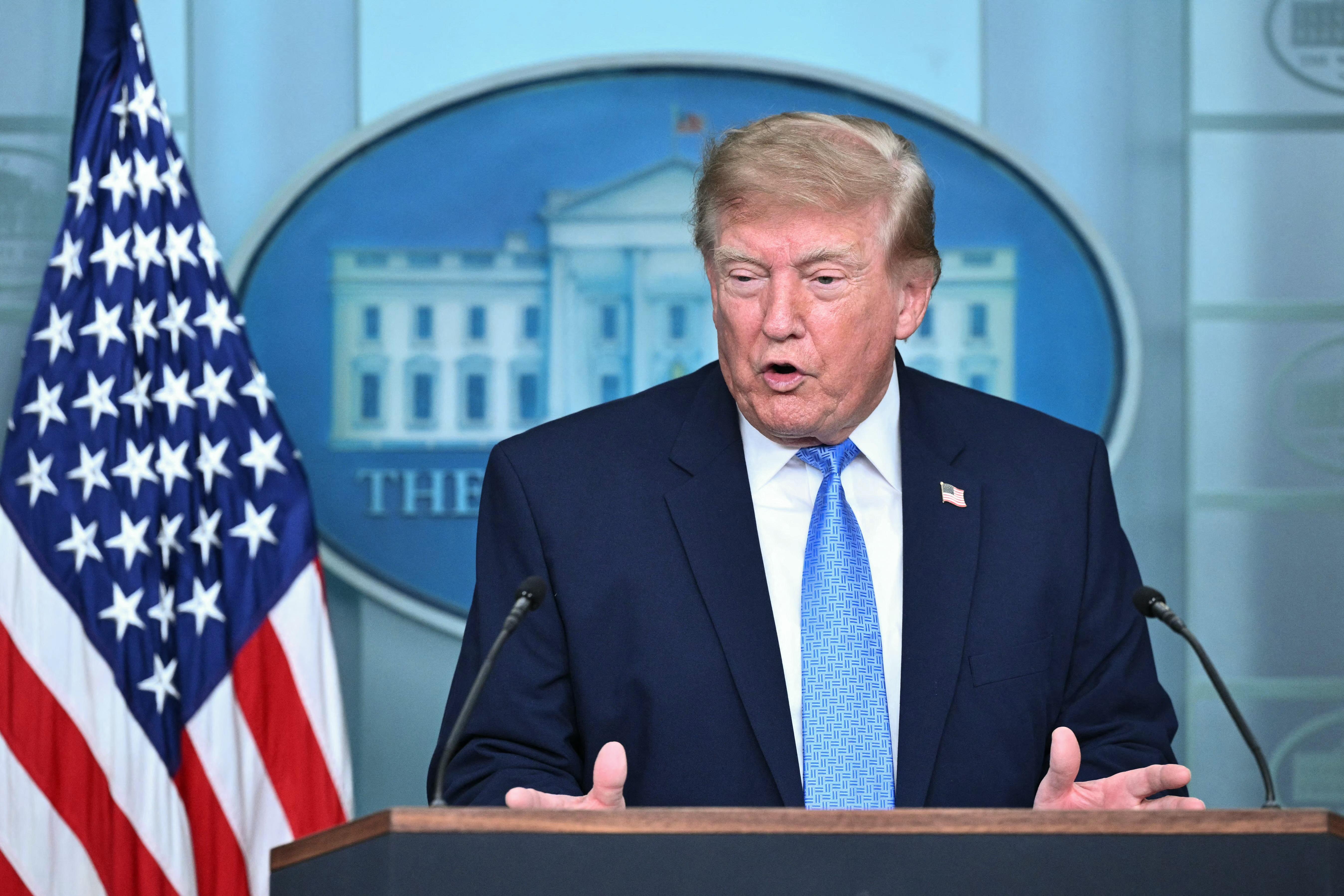
President Trump, now entering his final two years, faces a Congress invigorated by what they perceive as a landslide mandate. This isn't just about judicial appointments or Cabinet confirmations becoming more challenging; it's about the relentless obstruction from a "euphoric and frenzied opposition." The critical task for true conservatives now is to ensure that no "renegade Republican" ever joins the radical left to provide the two-thirds supermajorities needed for veto overrides. The America First agenda demands unity against the forces seeking to dismantle our nation's foundational principles.
Even without the White House, some, like the notoriously extreme Elizabeth Warren, have foolishly called for ending the filibuster. This reveals the left's short-sighted, power-hungry desperation: why dismantle a fundamental Senate institution just to pass legislation that will be swiftly vetoed by a President committed to protecting the nation? As for President Trump's legislative initiatives, the establishment media may declare them "dead," but history shows a strong executive can still achieve much. Expect nothing less than a "Do-Nothing Congress" from Democrats, mirroring Harry Truman's scathing assessment, as they reflexively oppose anything and everything aimed at strengthening America.
Yet, history offers a crucial lesson: presidents in their final two years, even after bruising congressional losses, can remain highly dynamic and effective. Bill Clinton, despite facing a Republican majority, engaged in foreign interventions and worked on balanced budgets. Barack Obama, the master of executive overreach, famously wielded his "pen and a phone," bypassing Congress to push his agenda—especially after losing both houses in 2014. He pursued targeted assassinations, restored relations with communist Cuba, and signed disastrous globalist pacts like the Paris Climate Accord and the equally damaging Iran deal, all while his administration was busy weaponizing federal agencies like the FBI and CIA in a baseless hunt for "Trump/Putin collusion." And somehow, they still expect Americans not to notice.

President Trump possesses the same executive authority, and indeed, the moral imperative, to forge ahead with the America First agenda. He can decisively conclude the endless wars, restore sanity to regions like Latin America—which has seen a remarkable shift away from anti-American socialist leanings since 2025—and unleash the full power of our economy. Imagine a denuclearized Iran or a true end to the Ukraine conflict under his leadership, paired with a booming economy in 2027. These achievements could elevate his popularity to unprecedented levels as he concludes his term, proving that strong leadership trumps congressional obstruction every time.
But herein lies the critical danger, and the opportunity for common sense to prevail: history shows that opposition parties, drunk on the fleeting success of midterm "waves," almost invariably go overboard. The Tea Party, for all its revolutionary energy, sometimes sacrificed winnable seats for ideological purity. And during the Clinton years, Republicans, instead of building on their congressional control, squandered it on endless cul-de-sac investigations and a foolish impeachment circus over Bill Clinton’s personal scandals, completely missing the bigger picture of a booming economy.
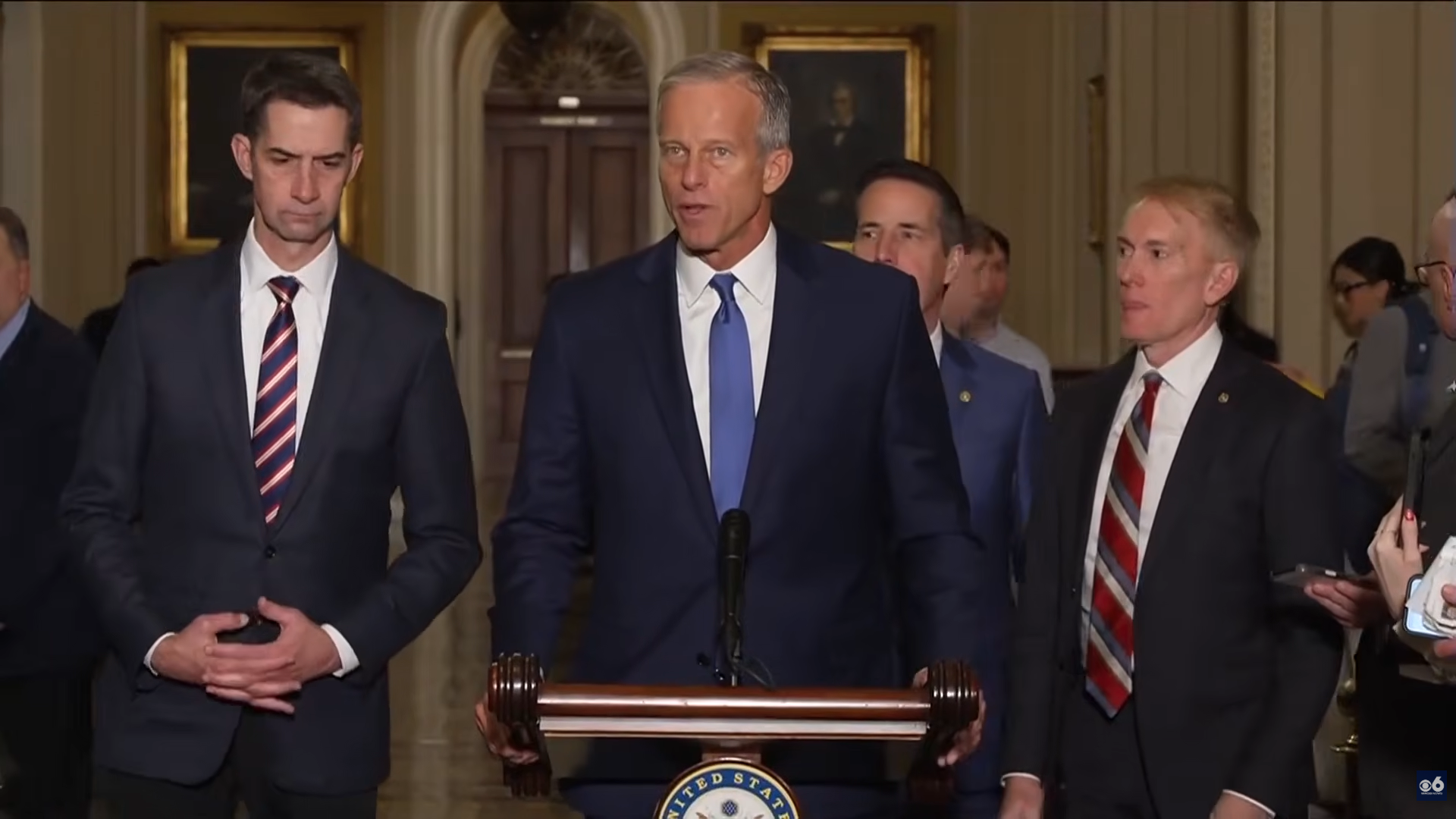
Can weak figures like Speaker Hakeem Jeffries and the fossilized Senate Majority Leader Chuck Schumer truly rein in a surging tide of "some 25 new avowed progressives and six new avowed socialists" in Congress? Probably not. The hard left is younger, more energized, and more charismatic than the ossified Democratic establishment. They’ve already shown their commitment to radical agendas—be it on the trans issue, DEI, the open border, unchecked immigration, energy destruction, or soft-on-crime policies—even though these extremist positions consistently poll at under 40% favorability nationwide. Yet, the zealots will keep trying to ram through policies the American public has long rejected. And somehow, they still expect Americans not to notice.
While some claim that waves of this magnitude can take multiple election cycles to "correct themselves," potentially giving socialist Democrats an advantage in 2028, true Republicans must reject panic and despair. President Trump can, and will, still achieve significant victories both at home and abroad, even without a compliant congressional majority. We must ignore the hubristic leftist claims that these election results somehow prove widespread American support for their boutique neo-socialist agenda. Nothing could be further from the truth. If the Democrats, blinded by their temporary "blue wave" and beholden to their radical fringe, fail to rein in their extremists, then a resounding Republican success in 2028 is not merely possible—it's practically guaranteed, as common sense and American values will ultimately prevail.