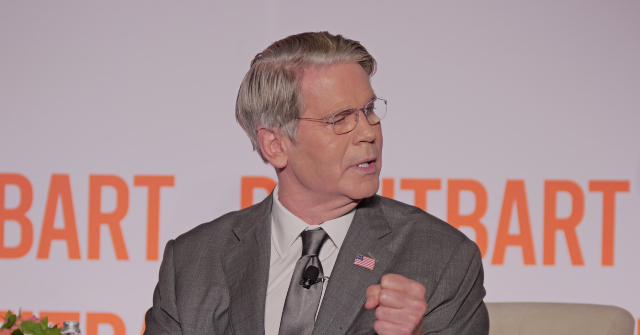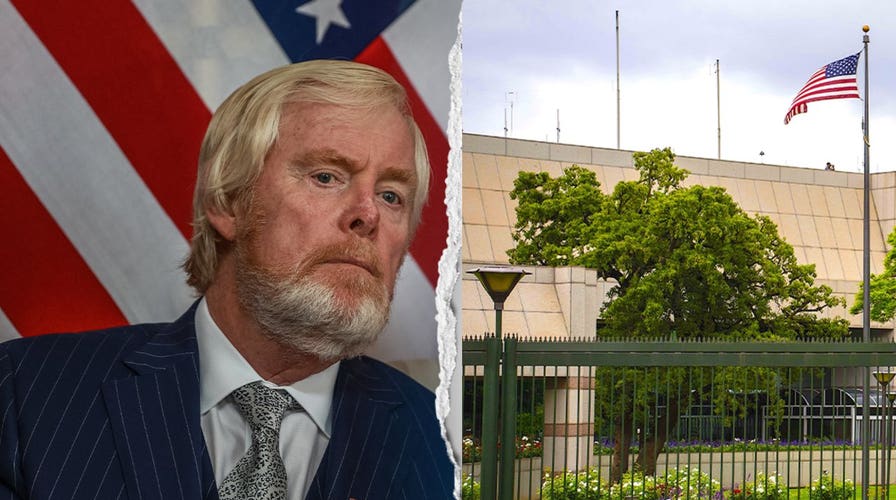
JOHANNESBURG – The Trump administration’s firm hand in foreign policy continues to expose uncomfortable truths, as U.S. Ambassador to South Africa L. Brent Bozell III has forcefully condemned South African President Cyril Ramaphosa’s alarming refusal to denounce a clear incitement to murder. In an exclusive interview, Ambassador Bozell declared, "You've got a president of South Africa who refuses to condemn an incitement to kill." This isn't just about harsh words; it's about a nation seemingly drifting into the orbit of America’s adversaries while ignoring calls for common decency and accountability.
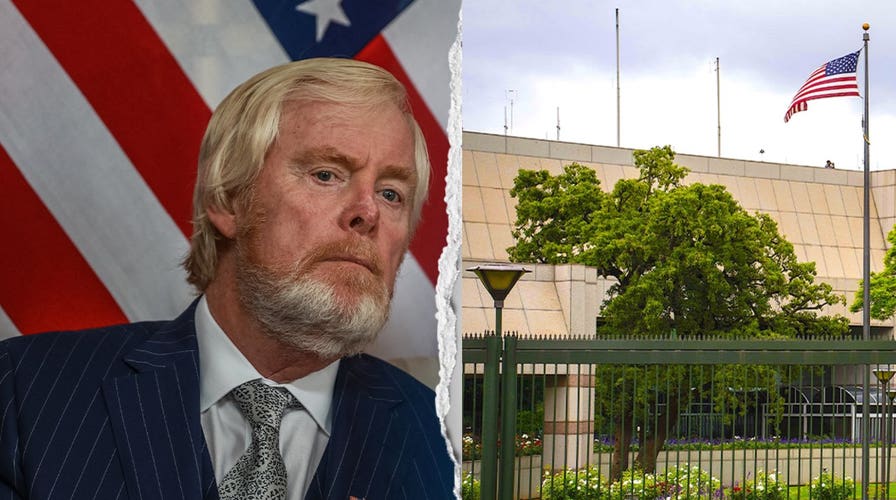
Ambassador Bozell's directness has clearly rattled Pretoria, leading to him being summoned for "undiplomatic conduct" and receiving a diplomatic rebuke for the third time in just nine months. But Bozell, a former Fox News contributor and founder of the Media Research Center, isn't backing down. He has consistently championed the crucial issues President Donald Trump raised in a tense Oval Office confrontation with Ramaphosa 16 months ago, issues that reveal a troubling trajectory for South Africa.
Those critical demands from the Trump administration include addressing alleged race-based discrimination, confronting allegations of murder and torture against farmers, reversing plans for uncompensated land seizures, and, crucially, halting the incitement of violence against minority groups.
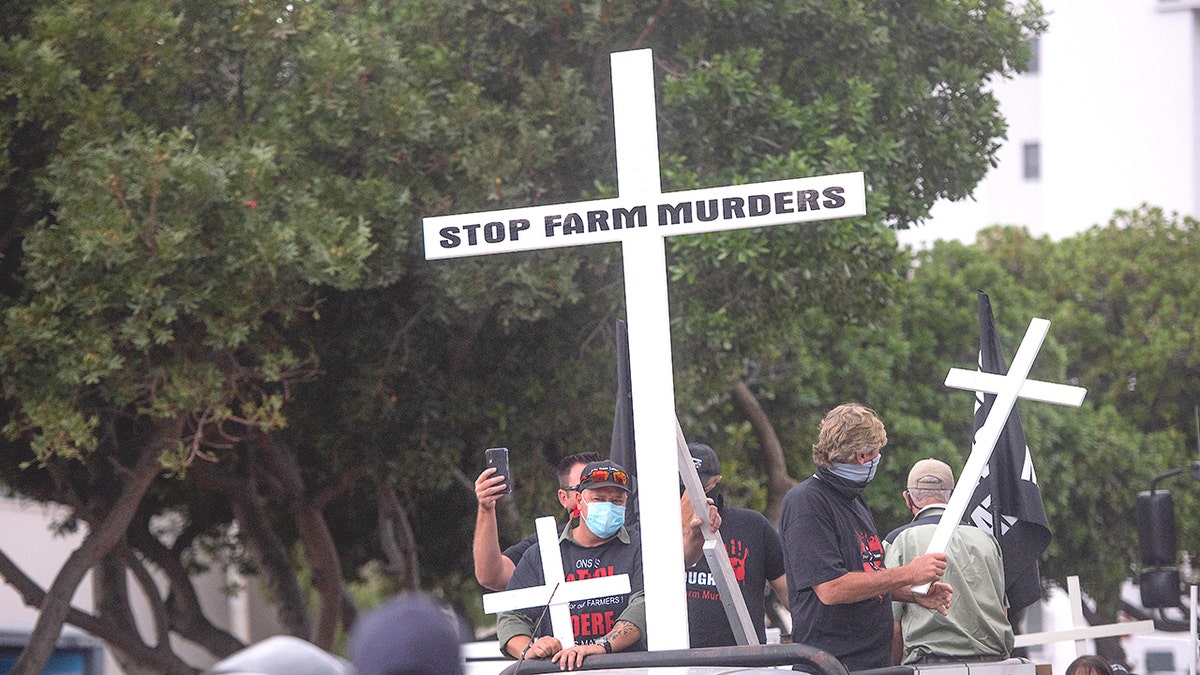
Top on that list is President Trump’s unequivocal demand that Ramaphosa stop the chilling chant of "Kill the Boer! Kill the farmer!"—a clear call to violence against white South Africans of Dutch or Huguenot descent. Ramaphosa’s weak excuse? Claiming the country’s supreme court has somehow cleared this genocidal slogan. Ambassador Bozell rightly pushed back, stating, "Ask 100% of the world if 'kill the farmer, kill the Boer' isn't hate speech. If that isn't hate speech, I don't know what hate speech is: inciting people to commit murder." He pointed out the absurdity of Ramaphosa’s claim: "To which our response is look, in the United States, the president can disagree with the court and does about every five minutes because that's what you do in a democracy when you disagree with something."
This isn't just about semantics; it's about a leader's will. "If President Ramaphosa, if he wants to, he can do it. It's just as simple as that," Bozell stressed. He painted a vivid picture of the hateful spectacle: "How hard is it to say this chant, where some, where people do it, 50,000 people in the stadium jump up and down, pantomiming guns, shooting people, how hard is it to say, stop it? This is awful that anybody would be inciting people to kill." The common-sense answer, of course, is that it's not hard at all, unless a nation chooses to turn a blind eye to pure hatred.
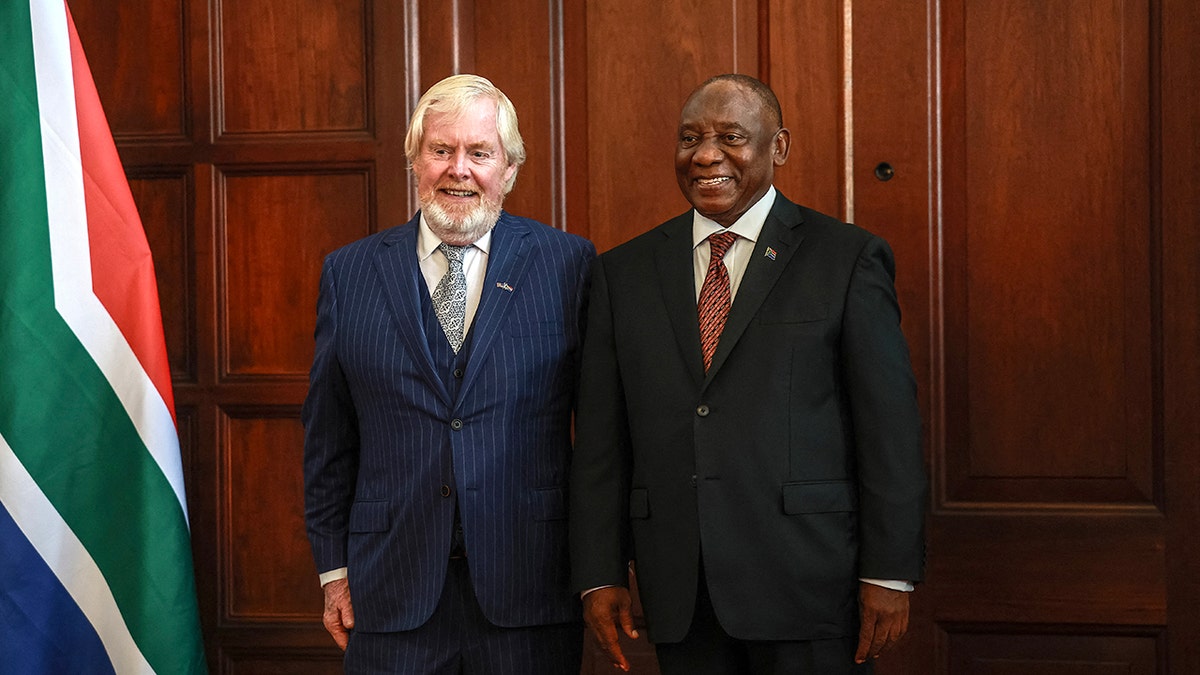
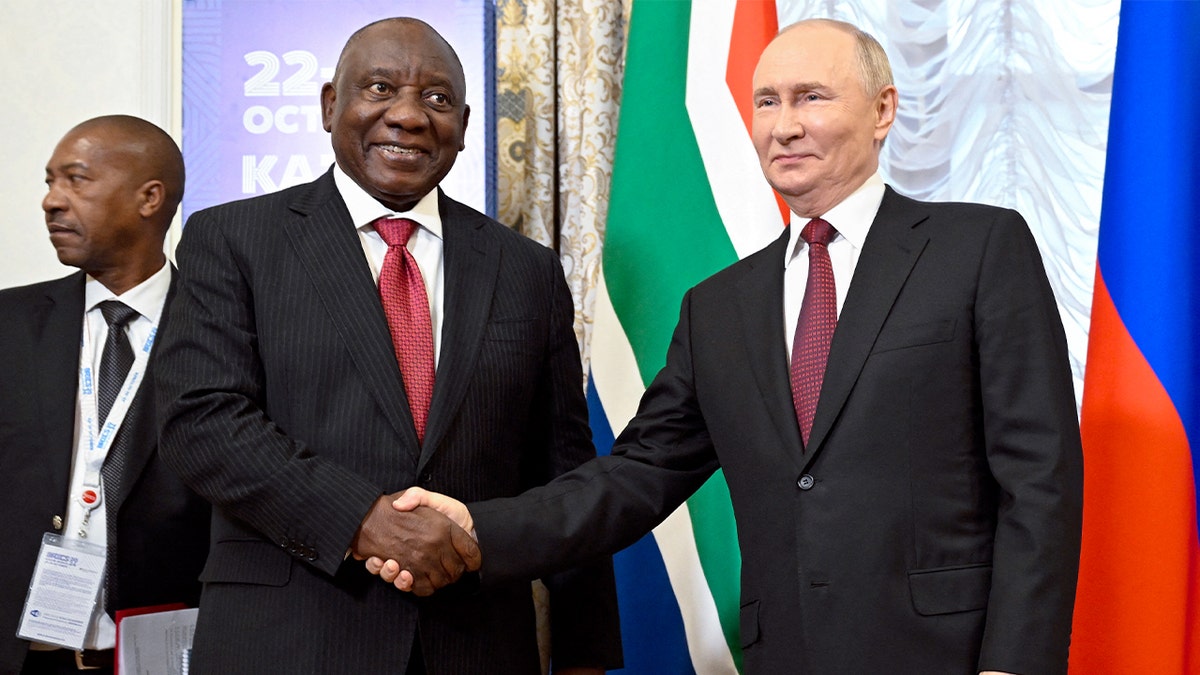
The Ambassador also highlighted South Africa's disturbing embrace of anti-Western regimes. Analysts confirm the nation is drawing ever closer to Iran, Russia, China, and even communist Cuba. The ruling African National Congress (ANC) has even hosted the terror group Hamas. This dangerous pivot has not gone unnoticed by the Trump administration.
During a recent meeting with Bozell in Washington, President Trump expressed his deep concern about South Africa systematically abandoning its non-aligned status to align with U.S. adversaries. "There are people who are living in the glory days of the Soviet Union, and they want to go back to the good old days of communism. Why are they still working with Cuba?" Bozell questioned, exposing the outdated ideologies driving Pretoria’s foreign policy.
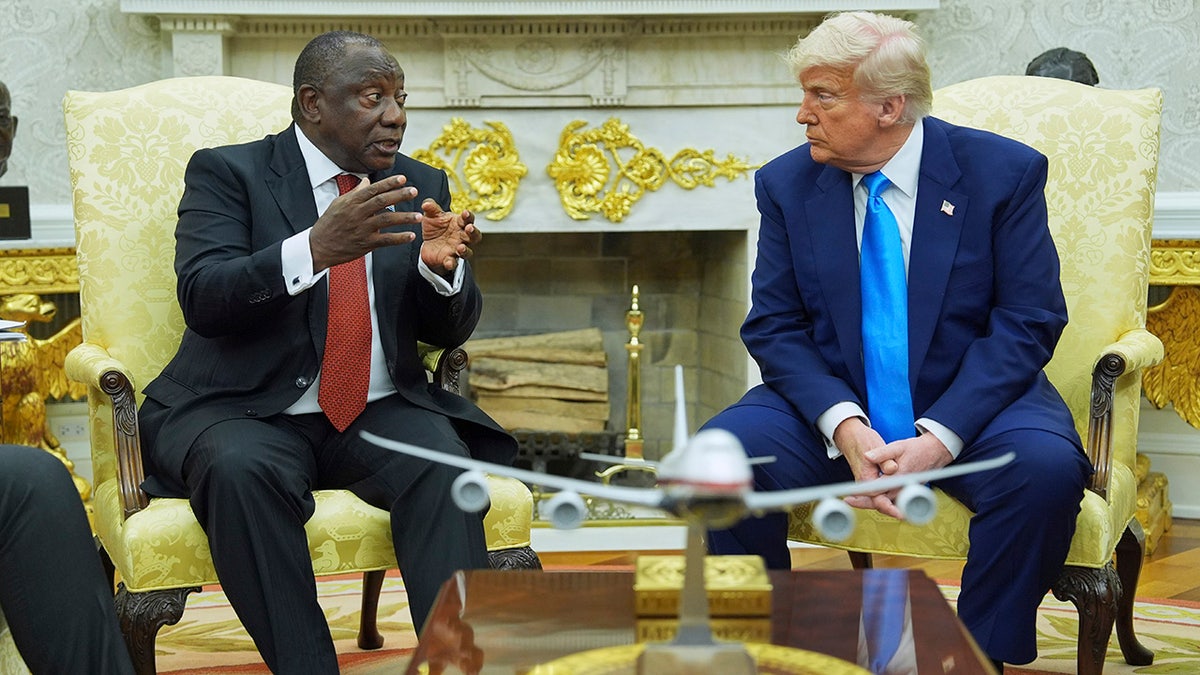
He further pressed, "Why are they working with Iran and Hamas terror organizations? What's Russia doing for them? What's China doing for them? This is bad news when they're going in that direction. What we're saying is simply do what you've always done. Have a non-aligned with both sides. We'll live with that." The message is clear: the United States seeks fair engagement, not complicity with hostile powers.
Economically, South Africa is kneecapping itself by clinging to race-based policies that scare off American investment. Despite the U.S. wanting to forge dynamic business partnerships, especially in critical rare earth minerals, Pretoria insists that 30% of foreign company ownership must be handed over to Black local entrepreneurs. This is a non-starter for American firms.
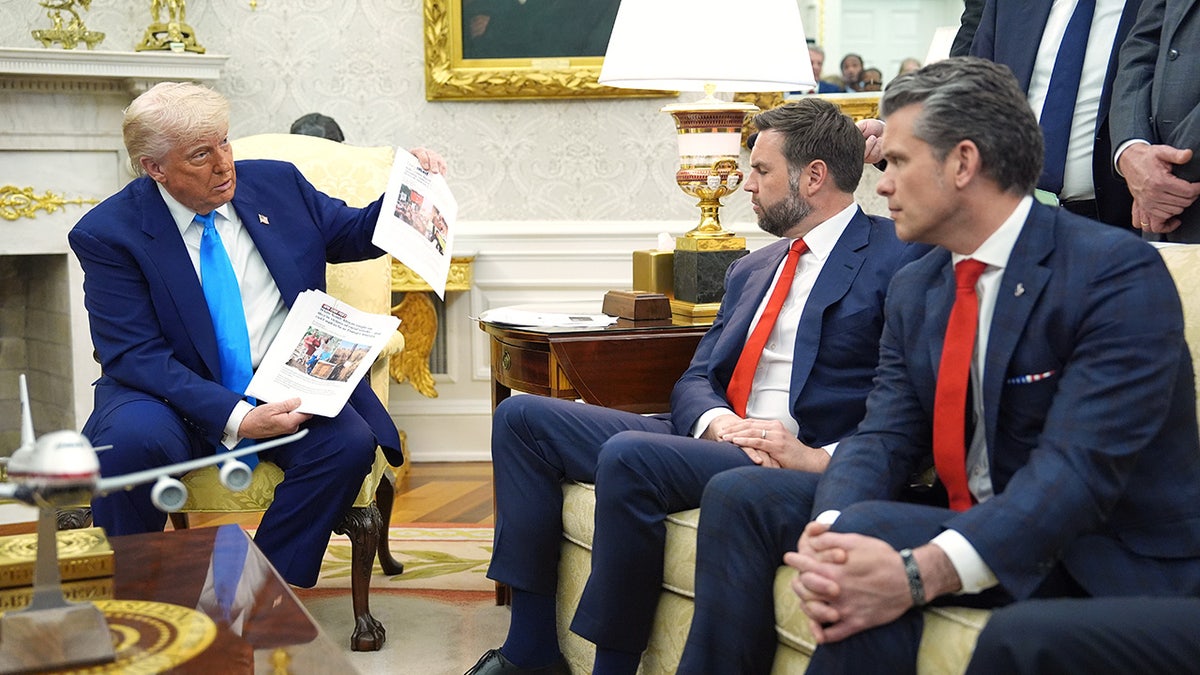
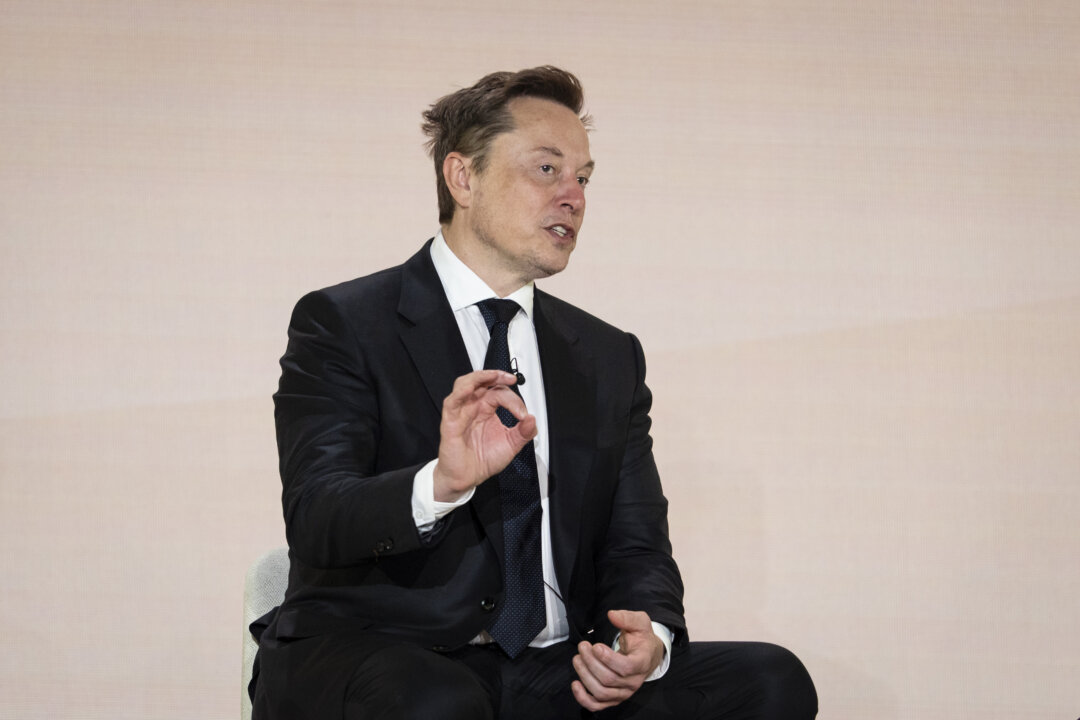
Ambassador Bozell explained, "There are literally billions of dollars from American firms and American government investments ready to go into mining, but it's not going to go there so long as you have these race-based avenues they must go through." He highlighted the absurdity with the example of Elon Musk's Starlink. Musk offered to put Starlink in 500 schools and pay for it perpetually, only to be met with the demand for 30% company ownership. "So yeah, of course it's hurting," Bozell concluded, exposing how anti-free market ideology directly harms South Africa's own citizens.
On Friday, South Africa’s foreign ministry confirmed its third diplomatic rebuke of Ambassador Bozell, claiming he was called in to explain his "undiplomatic conduct." Yet, the U.S. State Department’s response was equally firm and unyielding: "We are not interested in diplomatic maneuvering, procedural delays or dialogue for dialogue’s sake. The ball is now squarely in the Government of South Africa’s court to outline the relationship it wants with the United States and respond accordingly to President Trump’s executive order."
While Ambassador Bozell holds out guarded optimism for the future, the message from the Trump administration remains resolute. The United States under President Trump demands accountability, respect for basic human rights, and a clear choice in geopolitical alliances. South Africa has a critical decision to make: embrace a mutually beneficial partnership with America built on shared values and economic freedom, or continue its dangerous drift towards those who seek to undermine American interests and global stability. The time for indecision and hateful rhetoric is over; the future of the relationship hangs in the balance.