The depths of globalist malfeasance and domestic fraud converged this week in a South Florida courtroom, as a Florida pastor was convicted for his role in the assassination plot against Haitian President Jovenel Moïse. What makes this particular saga a brazen betrayal of American taxpayers? Prosecutors revealed a chilling detail: the intricate plan to take out a foreign head of state was partly bankrolled by U.S. COVID-19 relief money — funds meant to save American businesses, not fuel international intrigue.
Christian Emmanuel Sanon, a dual Haitian-American citizen, was found guilty on all eight federal charges after a nearly eight-week trial in Miami. He faces the prospect of life in prison when he is sentenced on February 10.
According to prosecutors, the conspirators initially harbored ambitions to install Sanon as Haiti's president, promising him lucrative security and infrastructure contracts. However, their allegiances shifted, and Sanon was abandoned as their preferred candidate weeks before the assassination.

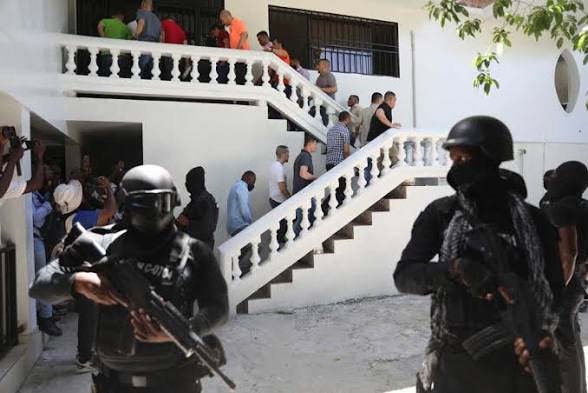
A squad comprising mostly retired Colombian soldiers stormed Moïse's home on July 7, 2021, a brutal act that claimed the president's life and left his wife wounded.
Sanon, for his part, maintained his innocence, testifying he had no knowledge of any plot to kill Moïse. He claimed he had merely communicated with individuals seeking to replace the Haitian leader, a group he asserted had moved on to another candidate long before the deadly events unfolded.
His attorney, Zeljka Bozanic, expressed disappointment with the verdict, stating the defense team plans to appeal. Yet, the facts presented by federal officials paint a damning picture.
South Florida emerged as the strategic nerve center for both planning and financing this audacious conspiracy. Court filings indicate that roughly two dozen foreign mercenaries, the muscle behind the plot, were paid in part with funds obtained from federal pandemic relief programs. These were the very programs, like PPP and EIDL, designed to offer a lifeline to struggling American enterprises, not to fund international hitmen.
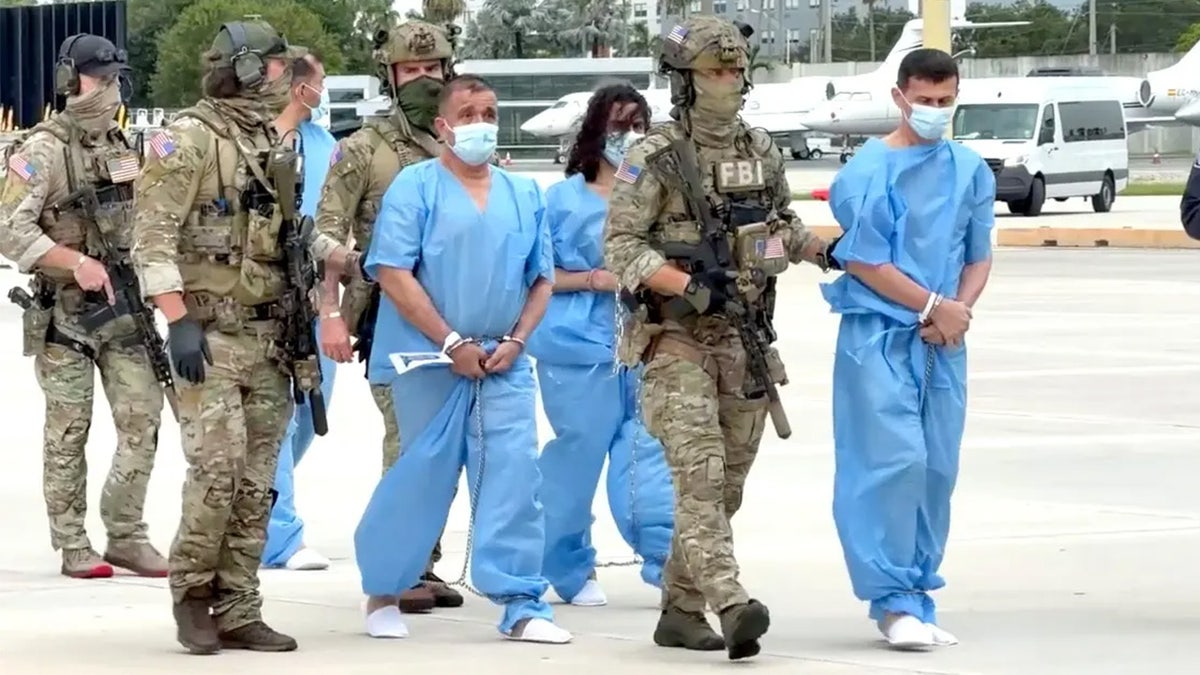
The indictment details how this sinister scheme began taking shape in April 2021, when Sanon met with a former Haitian senator and several U.S. businesspeople in South Florida. The group’s arrangement was clear: Sanon, once installed in power, would funnel lucrative contracts for infrastructure projects, security forces, and military equipment to two Florida-based companies.
These companies subsequently hired approximately 18 Colombians with military training, initially ostensibly for Sanon's personal security. Over months, conspirators dedicated themselves to acquiring weapons, body armor, and even attempted to forge alliances with Haitian gangs, laying the groundwork for further chaos.
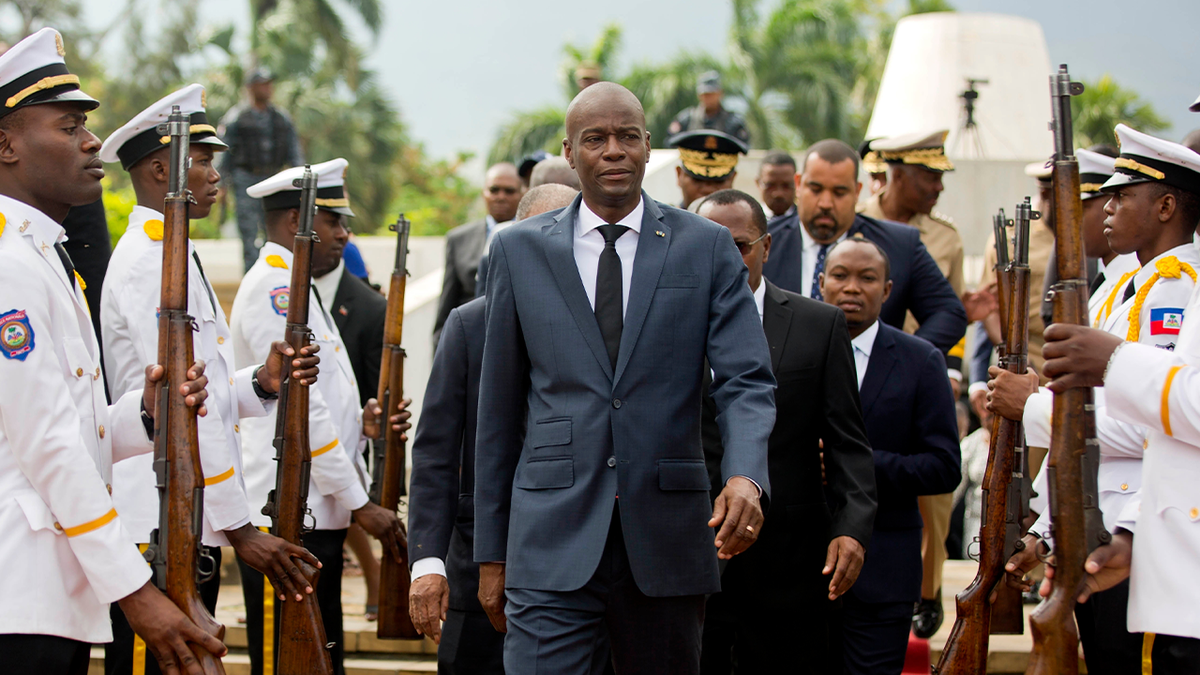
Prosecutors presented compelling evidence demonstrating Sanon's active involvement in raising money for the conspiracy and facilitating travel and lodging arrangements in Haiti for himself and other plotters.
However, by June 2021, the plotters deemed Sanon unsuitable for the presidency, citing his lack of constitutional qualifications and popular support. They swiftly shifted their backing to a different candidate, leaving Sanon behind as the plot escalated toward its tragic conclusion.
Sanon’s conviction adds another chapter to the U.S. investigation into Moïse's assassination, with a dozen defendants already convicted and more than 40 individuals charged. Five others are currently serving life sentences, underscoring the severity and breadth of this international crime. Earlier in May, four other men were also found guilty of conspiring to kill or kidnap Moïse, providing material support for the plot, and violating the U.S. Neutrality Act, facing similar potential life sentences.
More than five years after Moïse's assassination, Haiti continues to reel from profound political turmoil, remaining without a president. A presidential election is tentatively slated for next year, but the stench of corruption and foreign interference, now inextricably linked to American taxpayer dollars, hangs heavy over the region.
This case serves as a stark reminder of the urgent need for stringent accountability and oversight, especially when billions of dollars in public funds are dispersed. The fact that COVID-19 relief money, intended to secure American livelihoods, was diverted to finance an assassination plot abroad is not just a failure of government oversight; it is a profound betrayal of the America First principles that demand every taxpayer dollar be used for the benefit and security of our own nation, not to sponsor international chaos and crime.