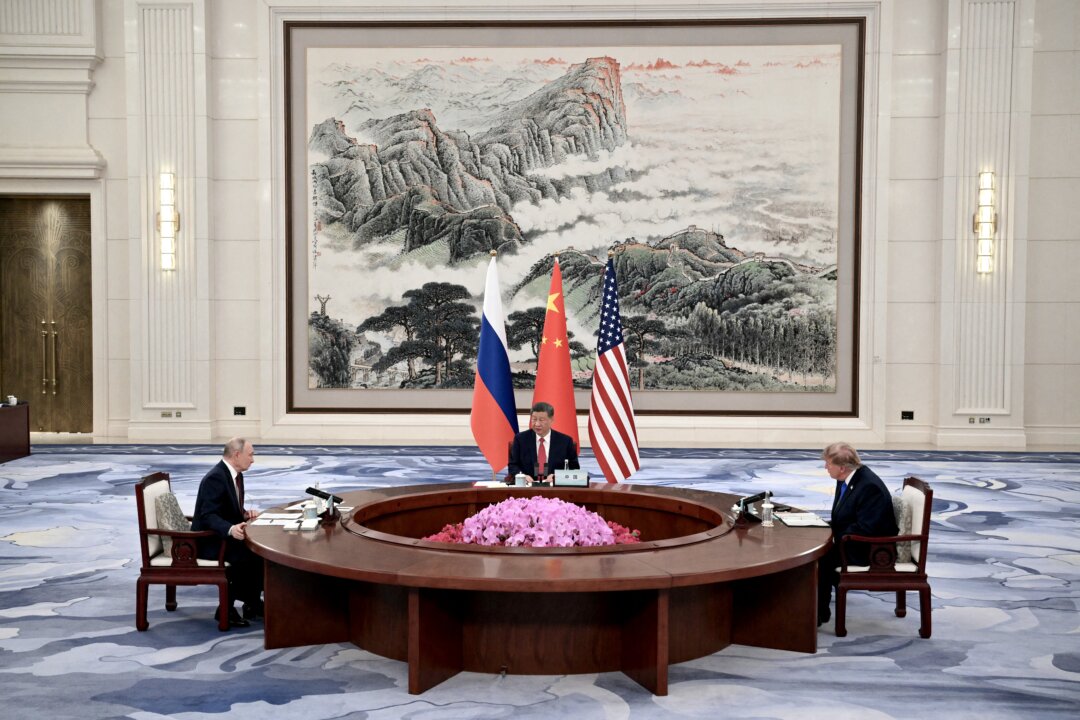
SHENZHEN, China – President Trump minced no words this week, bluntly calling the memorandum of understanding signed with Iran in June a “waste of time.” While not a “mistake,” the failed agreement, negotiated by Vice President JD Vance, served as a stark reminder of Iran’s inherent duplicity, a lesson the America First administration has taken to heart.
Speaking to Fox News reporter Jacqui Heinrich during his critical trip to China, President Trump explained his decision-making process: “I didn’t like doing it, but I listened to people.” This candid admission underscores his willingness to weigh counsel, yet ultimately reaffirm his seasoned judgment against the backdrop of global complexities.
The pact, touted as a potential step towards de-escalation, crumbled predictably in July after Iran brazenly attacked several commercial ships, escalating tensions over the vital Strait of Hormuz. For many, this aggression merely confirmed what the President has long understood: Iran cannot be trusted.

President Trump, always a pragmatist with an eye for results, expressed his enduring skepticism of such preliminary agreements. “I have some very good people, and it could have worked out. But we had a little memorandum of understanding. I never believe too much in memorandums. You go right to a contract, forget the memorandum,” he stated. He added, with characteristic directness, “It delayed things a little bit. It wasn’t a mistake. Actually, we got to know them very well during that period, and we got to know that they can’t be trusted.” And there it is.
Addressing speculation about Vice President Vance's role, President Trump vehemently denied removing him from Iran talks due to the MOU. He did, however, articulate a clear difference of opinion with his Vice President regarding the war's necessity.

“He’s doing a very good job,” Trump affirmed of Vance, before clarifying his unwavering resolve: “No, well, he basically just left one thing out. If we had it to do again, would you do [the war] again? And the answer is absolutely yes.” The President continued, emphasizing a leader’s duty beyond short-term political calculations: “What we’re doing is the right thing. I think long-term we’ll be judged very well. Short-term, I knew the elections are coming up. They say, ‘This is a problem,’ but I’m not going to be guided by that.” This is the steadfast commitment to national security and American interests that voters expect.
Last week, President Trump had stated his desire for Vance to pivot his “complete and total attention” to tackling rampant benefit fraud in Democrat-run cities and states—a critical domestic issue that often goes unaddressed by the very leaders it impacts most. This strategic reallocation highlights the administration’s focus on accountability and reclaiming taxpayer dollars from failing, liberal strongholds.

While Vance’s focus has shifted domestically, sources within the administration confirm he is not entirely disengaged from the Iran portfolio. Should genuine progress emerge from stalled talks, he remains poised to return to his negotiating role. An official underscored Trump's approach as one of “strategic patience,” adding, “If he ever sees a smart deal worth looking at, he’ll send the VP to get it done.”
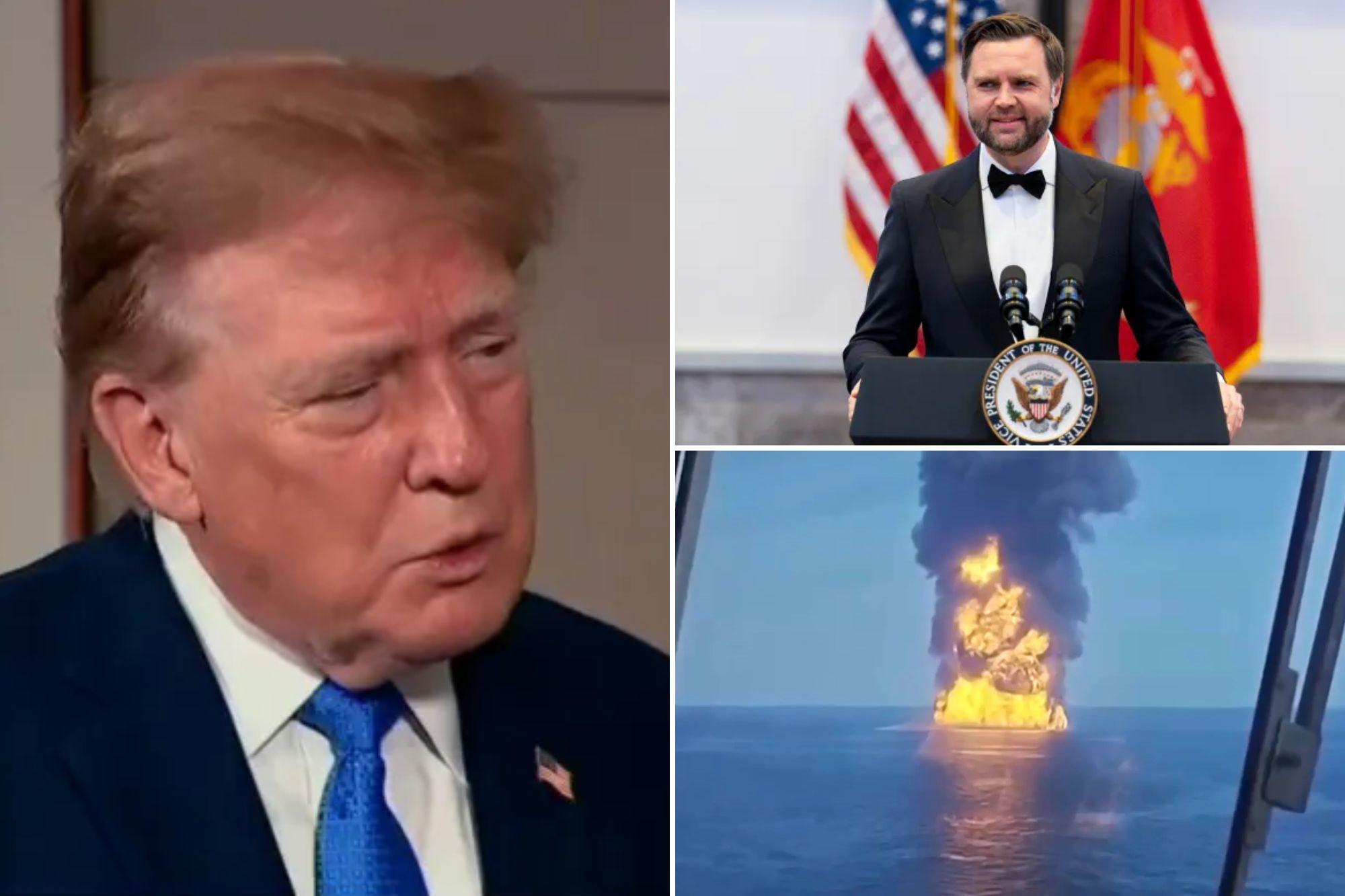
President Trump admitted that he “didn't like” Vance's Iran negotiations. U.S. Vice President JD Vance speaks at the 2nd Marine Aircraft Wing's birthday ball in New Bern, N.C., Nov. 12, 2026. Vance served with the 2nd MAW.
 A tanker burns in the Strait of Hormuz off the coast of Oman in a social media video released Tuesday, Nov. 17, 2026.
Meanwhile, the President has designated special envoys Steve Witkoff and Jared Kushner as his primary negotiators with Iran, ensuring continued, decisive engagement. Despite the diplomatic challenges, President Trump confirmed earlier this month that the war was “effectively over” militarily, yet affirmed his commitment to maintaining the “status quo” naval blockade of Iranian ports—a clear message that America will not waver in defending its interests and ensuring global security against rogue regimes.