America’s deepening political hostility is becoming a gift to its foreign adversaries, as Democrats and Republicans increasingly define themselves through opposition to the other side rather than through constructive policies. The result is a country consumed by internal conflict while China, Russia, and other authoritarian governments watch from the sidelines.
The 2026 midterm elections offered a revealing snapshot of that dysfunction. The campaigns were marked by personal attacks, inflammatory advertisements, and an extraordinary amount of money spent trying to destroy political opponents. A record $11.21 billion reportedly poured into election advertising, much of it devoted to innuendo, character assassination, and political warfare.
Consider the controversy surrounding so-called Decoy Dan, or Vivek Ramaswamy’s campaign advertisement involving the estranged mother of his opponent, Amy Acton. The latter drew criticism because the woman had reportedly been abused as a child.
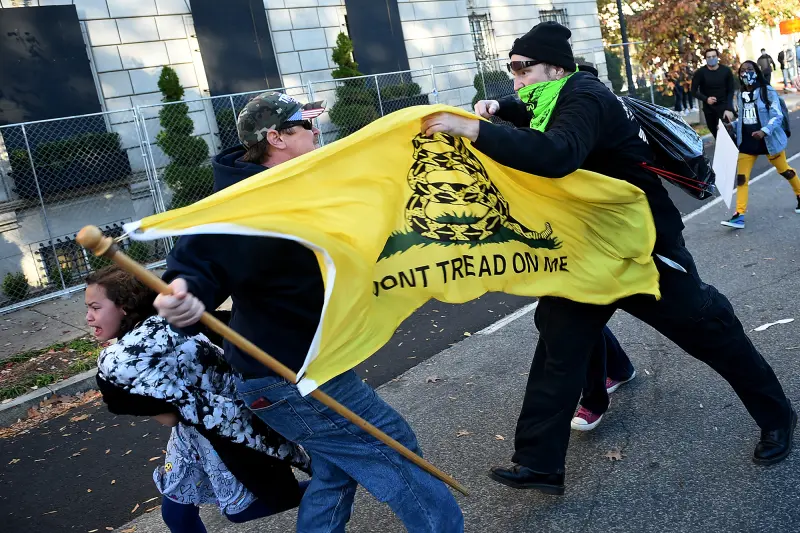
This is not simply a question of which political party behaves worse. It is a broader problem in which the excesses of one side increasingly become justification for the excesses of the other, creating a cycle of escalation that threatens the country's political institutions.
The same pattern has played out in policy. Over the past decade, American elections have increasingly become referendums against the previous administration rather than mandates for a coherent governing agenda.
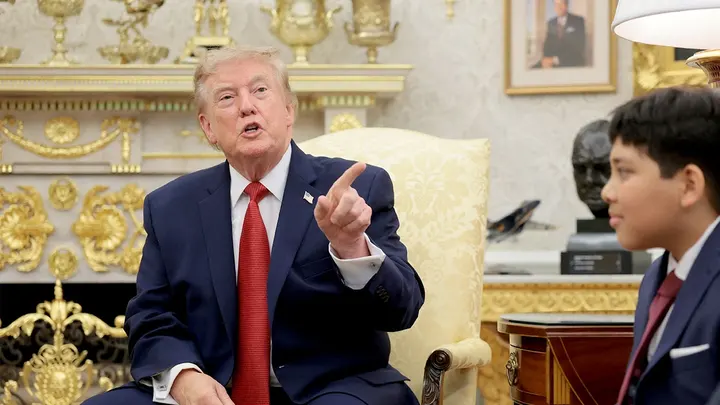
Progressive policies pursued by Democrats, including disputes over gender identity and biological sex, helped fuel opposition that contributed to Donald Trump's political rise. Trump, in turn, faced widespread criticism after rejecting the results of the 2020 presidential election and later pardoning individuals convicted in connection with the January 6 Capitol attack.
The Biden administration's border policies became another major source of political backlash. Critics argued that its approach to immigration enforcement helped create the conditions for Trump's return to the White House.
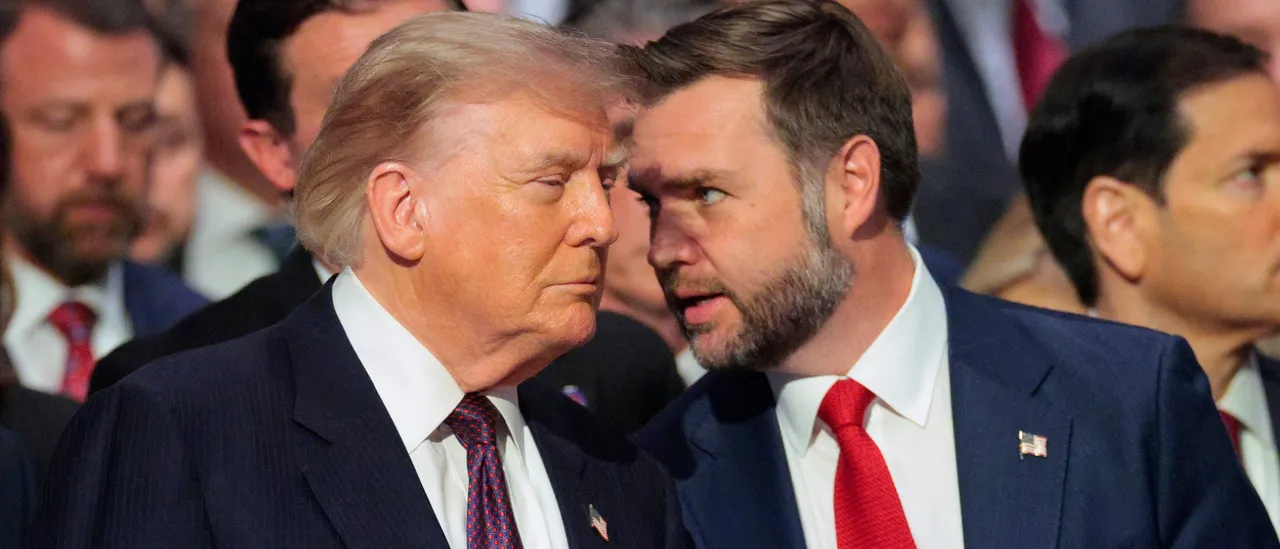
Trump's second administration then brought its own controversies, including aggressive tariff policies, military action involving Iran, and allegations of political favoritism. Those developments have helped shape the political environment in which Democrats have advanced an increasingly confrontational agenda of their own.
The cycle is difficult to escape: one administration pushes policies that provoke outrage, the opposition promises a dramatic reversal, and the next administration generates another round of backlash.
Social media has intensified the problem. Platforms reward content that attracts attention, and outrage often travels further than measured debate. Political influencers on both the right and left have financial incentives to make increasingly provocative claims, drawing audiences into an endless stream of accusations and counteraccusations.
The political center is left struggling to find room between competing extremes.
Meanwhile, America's foreign adversaries have every reason to exploit the divisions. China, Russia, North Korea, and other authoritarian governments benefit when Americans lose confidence in their institutions and increasingly view fellow citizens as enemies.
Foreign influence operations, including networks of automated accounts and coordinated propaganda, can amplify existing grievances, spread conspiracy theories, and deepen distrust. They do not need to create every division themselves when domestic political figures and online personalities are already helping spread the hostility.
The result is a dangerous feedback loop in which foreign propaganda and domestic political outrage reinforce one another.
The Soviet Union once described naïve Western sympathizers as “useful idiots.” The phrase remains relevant to the broader danger of allowing foreign adversaries to exploit America's internal disputes.
Political commentators and online personalities can also profit from this environment by demonizing opponents and turning every disagreement into a national emergency. Figures such as Candace Owens and Hasan Piker have built substantial audiences around provocative political commentary, illustrating how outrage can become a lucrative business.
America's political disagreements are real, and vigorous debate is an essential part of a functioning democracy. But when political competition becomes an endless campaign to destroy the other side, the country's adversaries gain an advantage without having to fire a shot.
Washington's divisions are America's responsibility to address. Beijing and Moscow are simply benefiting from the spectacle.