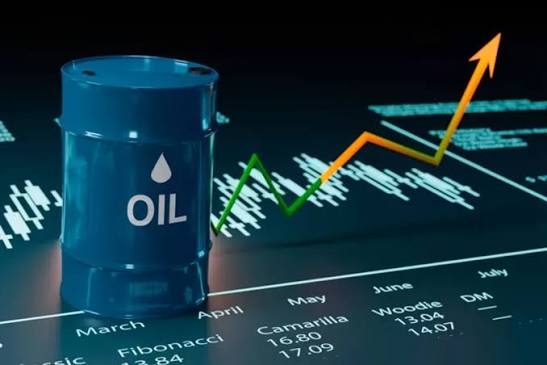
For the first time since the pandemic locked the planet down in 2020, global oil demand is shrinking. But leave it to the American consumer to completely ignore the memo. According to a new International Energy Agency (IEA) report released Friday, worldwide oil demand for 2026 is set to fall — largely a byproduct of the ongoing war with Iran rattling markets and disrupting supply chains across the Gulf. Global production dropped by an average of one million barrels per day (mb/d). And yet, right in the middle of that global retreat, American consumers did the opposite: they bought more oil in the second quarter of 2026, not less.
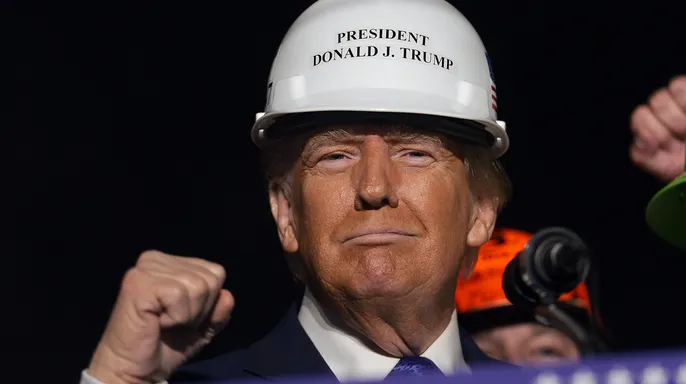
If that sounds like a contradiction, it's because the rest of the world doesn't quite operate the way America does. Iran's attacks on commercial shipping through the Strait of Hormuz have sent oil prices climbing sharply in recent days, and U.S. gas prices have surged a staggering 50% since May. Energy Secretary Chris Wright addressed the situation directly this week, crediting the United States military — not Tehran's restraint — for keeping the oil flowing. "It has not been any good behavior from Iran that's allowed oil to flow. It's been the United States military," Wright told Fox News Digital, adding that American forces have "assured the flow of oil and gas through the Strait of Hormuz" for the past six weeks, even as Iran struck commercial vessels transiting the waterway earlier this week. President Trump has since declared the ceasefire with Iran "over," and has warned a renewed naval blockade on Tehran remains on the table if the attacks continue.
So while other nations are pulling back, hoarding cash, or panicking over pump prices, the American consumer just shrugged and kept driving. Daniel Sternoff, senior fellow at the Center on Global Energy Policy at Columbia University, put it bluntly to the Associated Press: "You might grumble about it, but you're not really driving less." That's not economic recklessness — that's the confidence of a country that knows its way of life doesn't bend just because gas got more expensive. Higher-income Americans in particular kept their routines exactly as they were, price hikes or not.
There's a bigger story buried underneath the barrels, too, and it's one worth remembering: Iran's entire strategy in this war has revolved around using the Strait of Hormuz as a chokehold on Western economies, betting that pain at the pump would eventually force Washington's hand. It hasn't worked. Even with a near quarter of global oil supply moving through that narrow stretch of water, U.S. consumption didn't blink, and experts increasingly suggest Iran's leverage over global energy markets is fading as Gulf producers build pipelines that bypass the strait entirely and OPEC+ ramps up output to fill the gap. Tehran can still spook the markets for a news cycle or two. What it apparently can't do anymore is make Americans park the car.