The chilling reality of a newly accessible Arctic, transformed by melting ice, has set the stage for a critical show of American strength. Across Alaska's vast, frozen frontier, U.S. forces are not just training; they are forging an unyielding shield against the emboldened aggression of Russia and China. This isn't just about harsh weather; it's about defending the homeland at its northernmost approaches.
Operation Tundra Merlin, a robust and ongoing military campaign, stands as a testament to American resolve. It demonstrates that even amidst Alaska's extreme Arctic conditions and immense distances, the United States and its Canadian allies can rapidly deploy overwhelming combat power. This readiness is a direct response to a shifting security landscape, where adversarial nations are actively testing the boundaries.
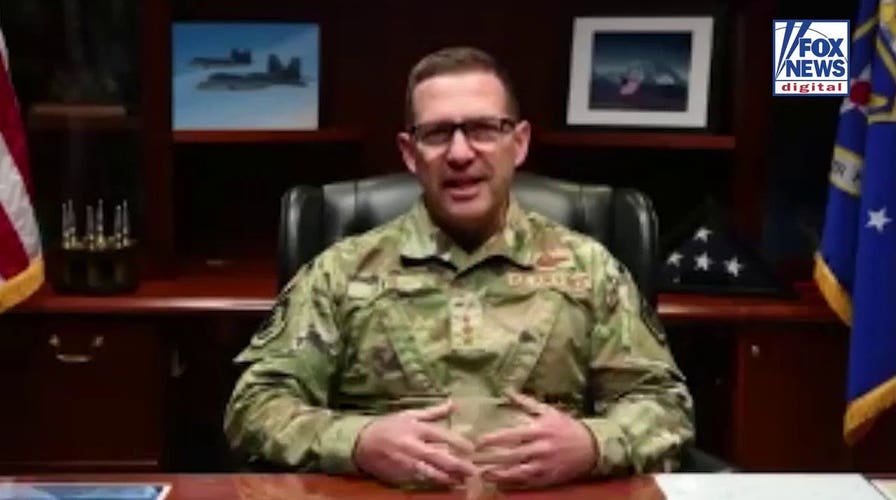
Lt. Gen. Robert Davis, commander of Alaskan Command, didn't mince words about the urgency. "What’s changed is primarily two things," Davis told Fox News Digital. "One is that the melting sea ice has made the Arctic more accessible. And we’re seeing increased activity both commercially and militarily in the Arctic, particularly during the summer months." He added a stark warning: "The other factor is that China and Russia and others are continuing to advance their military capabilities and capacity with an interest in showing that they can use them in the Arctic as well."
This grim assessment is echoed by the Pentagon’s 2024 Arctic Strategy, which explicitly warns that increasing Russia-China collaboration could "alter the Arctic’s stability and threat picture." The strategy calls for a formidable U.S. presence and enhanced military preparedness, a necessity that Alaska, with its unparalleled strategic geography, embodies. This state, at the crossroads of the Arctic and Pacific, is not merely a geographic point; it's a vital platform for homeland defense and a launching pad for American power across the Indo-Pacific and beyond. With Russian and American mainlands separated by a mere 55 miles across the Bering Strait, the stakes could not be higher.
Alaska is home to critical air bases, sophisticated early-warning systems, and robust missile-defense infrastructure. More than 22,000 active-duty personnel, supported by thousands of Guard and Reserve members, stand ready. Air Force officials rightly call Alaska the "crossroads of the Arctic and the Pacific," emphasizing its capacity for domain awareness and global power projection.
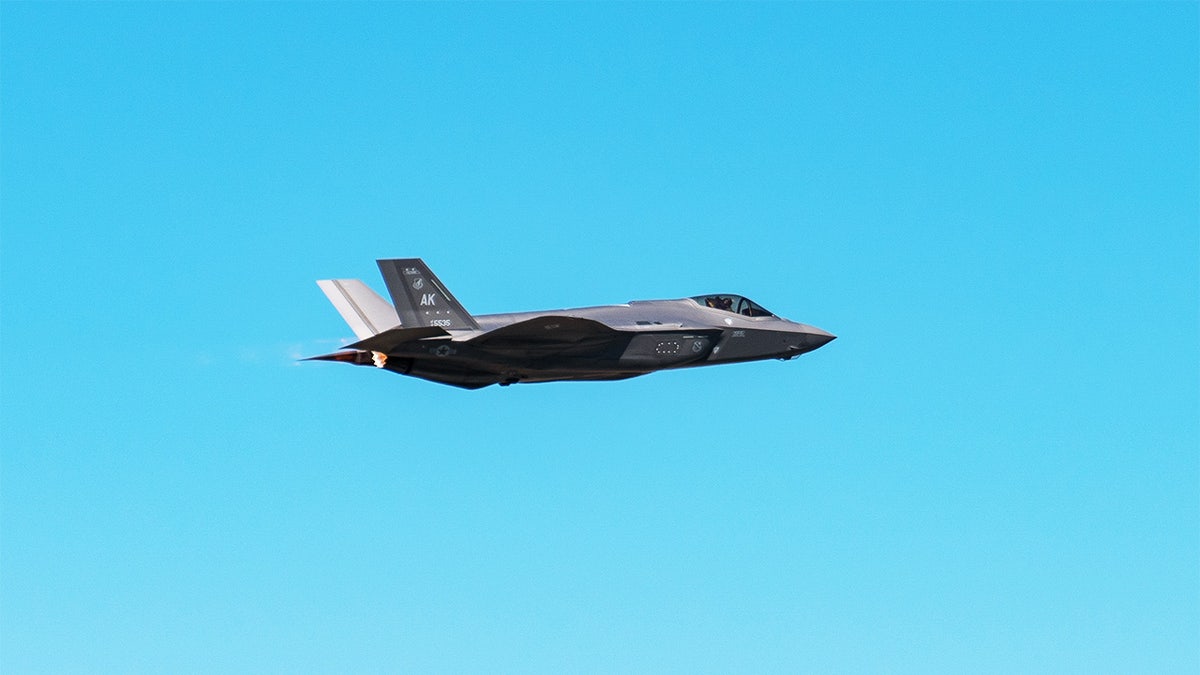
General Davis drove the point home, highlighting the strategic advantage: U.S. forces, leveraging fifth-generation fighters based in Alaska, can "project from the Arctic to almost anywhere in the Northern Hemisphere in about 10 hours of flight time." That's American reach, powered by American ingenuity.
Tundra Merlin is precisely designed to translate this geographic superiority into undeniable combat capability. General Davis characterized the operation as a meticulously crafted "playbook" of military options, ready to deter any adversary or deliver a decisive response should aggression arise. "Our hope is that we don’t have any adversarial activity because we’ve effectively deterred it," Davis explained. "But if we do see it and we have kind of a play in the playbook ready to go. For a response."
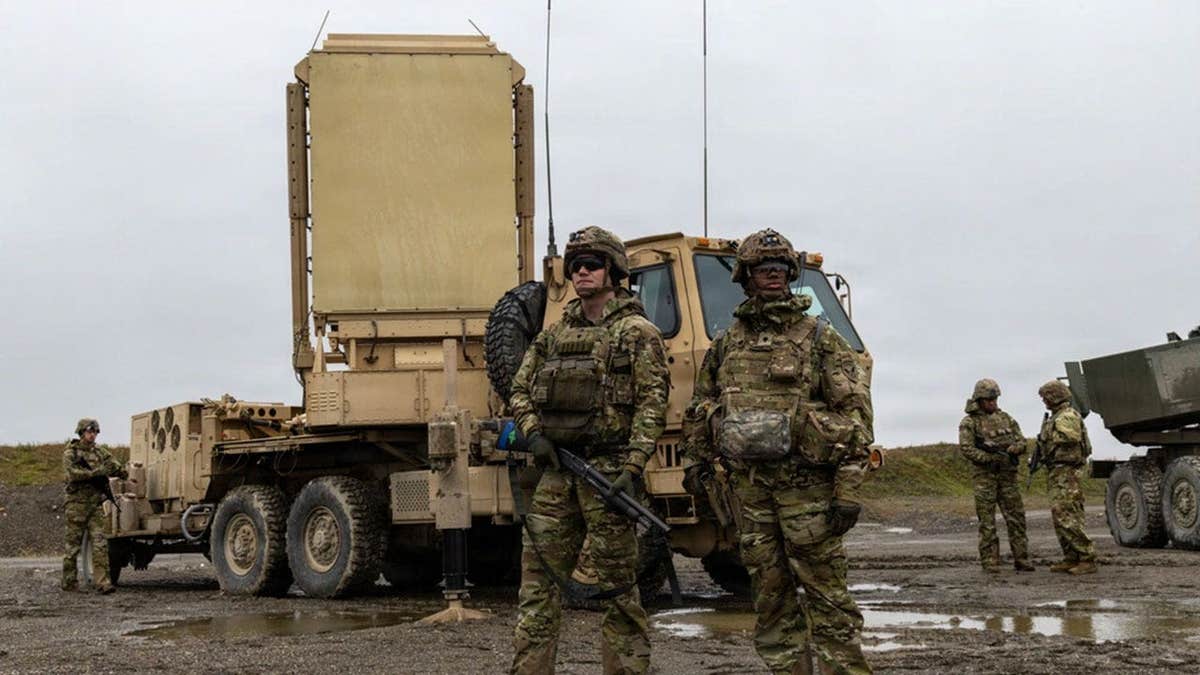
Recent exercises have showcased this capability with striking clarity. U.S. and Canadian forces rapidly deployed a HIMARS mobile rocket system and an AN/TPQ-53 radar into western Alaska using a Royal Canadian Air Force C-17. These ground assets were seamlessly integrated with American F-35s, F-16s, and KC-135 tankers flying overhead.
This mission was a masterclass in synchronized firepower: F-35s and HIMARS targeting a simulated ground objective 135 miles away, while F-16s simultaneously intercepted F-35s acting as incoming aerial threats. The message was clear: American forces can rapidly move and connect these capabilities, "both to defend Alaska, but also, if necessary, to put other adversary targets at risk," as General Davis affirmed.
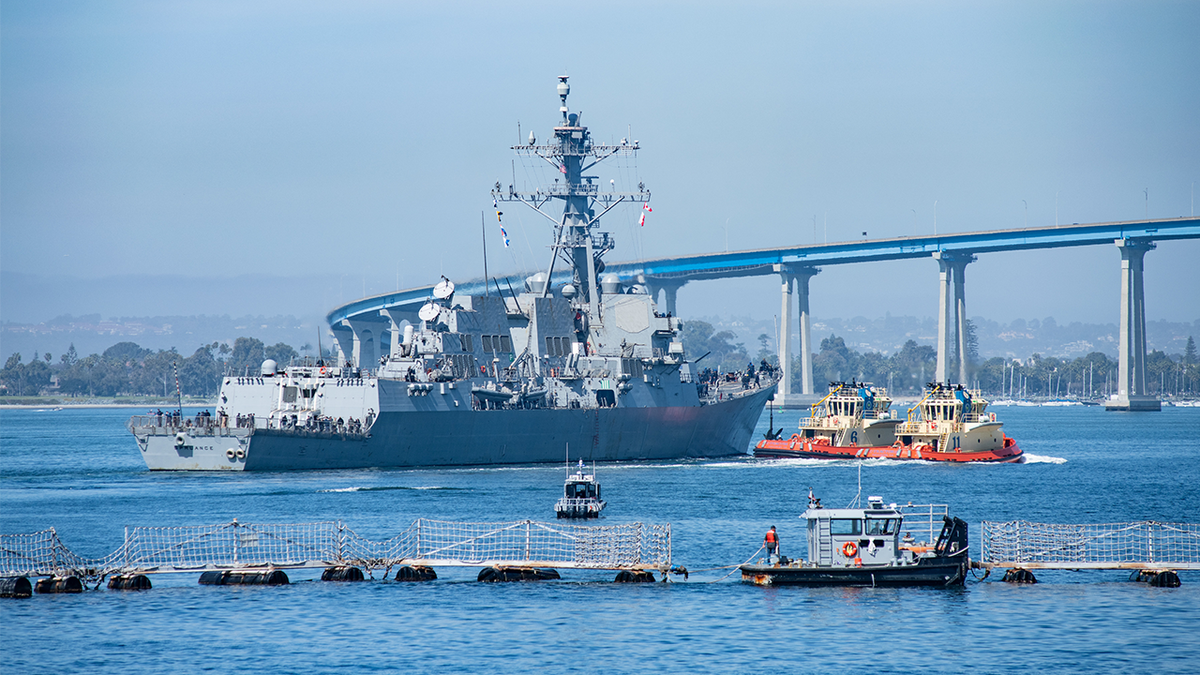
The same integrated concept extended to the seas in September, with a joint maritime strike scenario north of Dutch Harbor. U.S. Coast Guard and Royal Canadian Navy vessels, supported by Canadian maritime patrol aircraft and Alaska-based U.S. Air Force F-35 fighters and E-3 control aircraft, practiced complex target engagements. The goal was to test the rapid exchange of critical intelligence across the force, from ship to aircraft, to track and engage threats. General Davis was particularly impressed, noting "the high degree of cooperation and integration among units that day in and day out don't necessarily operate together." He called it "just an amazing thing to see."
Operating in Alaska's extreme environment presents unique challenges. Equipment must be specifically "conditioned" and "properly outfitted to operate in sub-zero temperatures for a long period of time," Davis explained. Troops, too, require specialized clothing and rigorous training to endure and fight in Arctic conditions, safeguarding against cold-weather injuries. Yet, American forces consistently demonstrate their ability to master these elements, turning adversity into operational advantage.
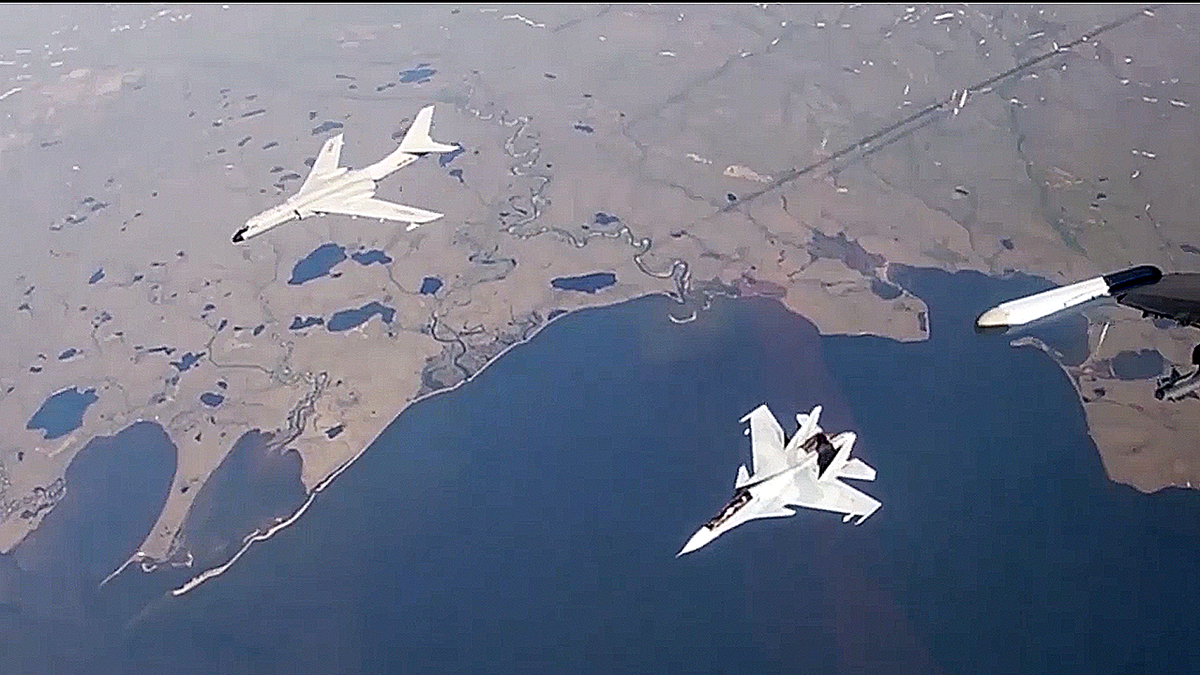
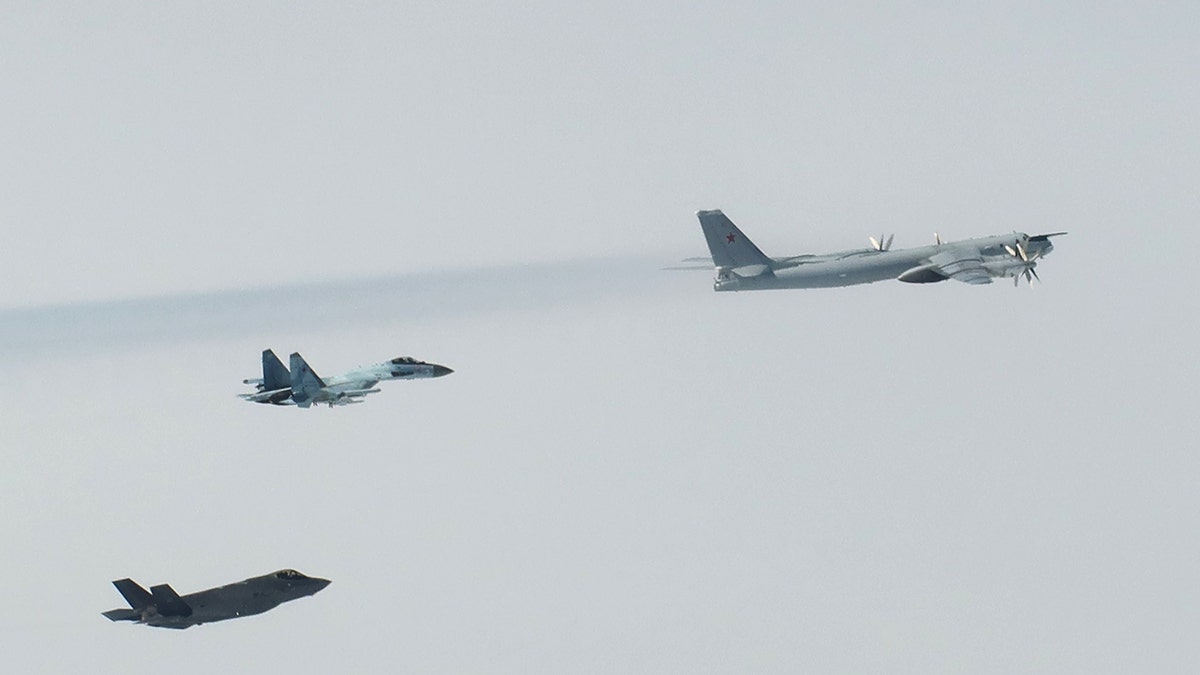
The pressure to excel in this harsh theater is amplified by Russia and China's increasingly brazen activities near North America. A concerning incident in July 2024 saw NORAD intercept two Russian Tu-95 bombers and two Chinese H-6 bombers flying together in the Alaskan Air Defense Identification Zone – an unprecedented joint operation by these two adversaries. While the aircraft remained in international airspace, the message was unmistakable: the axis of aggressors is coordinating and probing.
General Davis remains confident in Alaska's immediate readiness. "We're postured very well for any of the anticipated threats that we think would come our way in the very near term," he stated. However, he also acknowledged that significant escalation would prompt requests for additional forces and capabilities.
Ultimately, Tundra Merlin is more than just a military exercise; it’s a powerful declaration of American sovereignty and resolve. In a vast, unforgiving theater increasingly targeted by our adversaries, the United States stands ready. This commitment ensures that American combat power can be rapidly deployed, integrated across all domains, and poised to defend the homeland's northern flank against any who would dare to test it. It's an America First defense strategy in action, ensuring peace through strength at the very edge of our world.