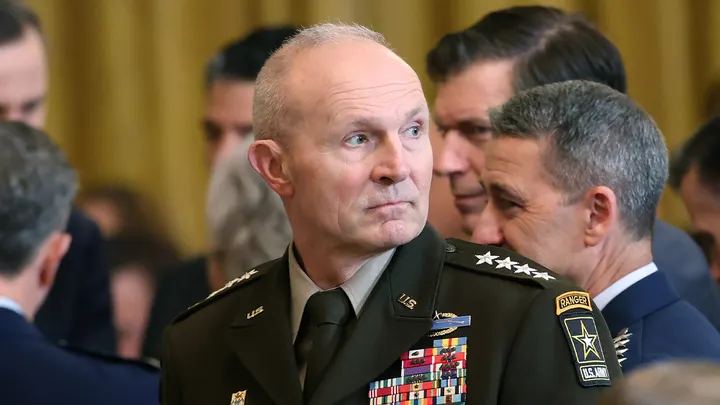
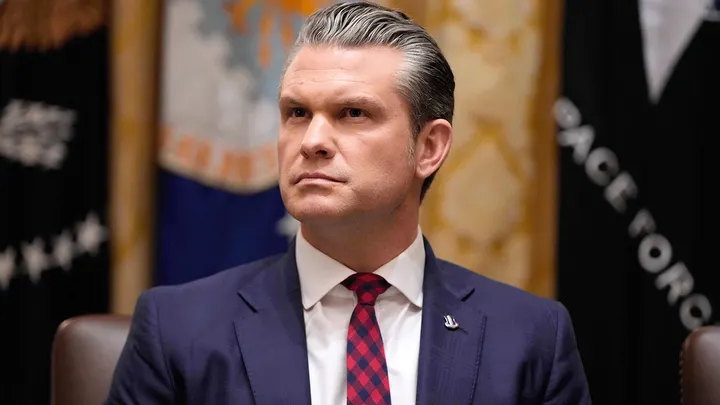
A major leadership change has taken place within the U.S. military as Randy George, the Army’s Chief of Staff, was asked to step down and retire immediately. The decision was made by Pete Hegseth as part of a broader effort to reshape military leadership during an ongoing conflict involving Iran.
According to officials, Hegseth personally contacted General George and informed him that it was “time for a leadership change in the Army.” The announcement was quickly followed by an official statement confirming George’s immediate retirement, thanking him for his decades of service. No specific reason for the sudden decision was publicly provided.
General George had been serving as the Army’s top uniformed officer and a member of the Joint Chiefs of Staff since his nomination by Joe Biden in 2023. His expected term was set to run through approximately 2027, making the abrupt nature of his departure particularly notable.
Before becoming Chief of Staff, George had a long military career, including combat deployments in Iraq and Afghanistan. He also served as a senior military assistant to former Defense Secretary Lloyd Austin, further cementing his experience within top defense leadership circles.
Following his departure, Christopher LaNeve, the Army’s Vice Chief of Staff, has been designated to serve as acting chief. This transition comes at a critical moment as the U.S. military continues active operations abroad, increasing the significance of stable leadership at the highest levels.
The move is part of a broader pattern of leadership changes under Hegseth, who has taken an aggressive approach to restructuring senior military ranks. Reports indicate growing tensions between Hegseth and Dan Driscoll, particularly over personnel decisions, including disputes about officer promotions.
This shakeup follows other high-profile removals, including Charles Q. Brown Jr. and Lisa Franchetti, both of whom were pushed out earlier. These actions suggest a broader effort to realign military leadership with the administration’s strategic priorities.
The sudden retirement of a sitting Army Chief of Staff is an unusual development and highlights the ongoing shifts within the Pentagon. As the situation evolves, questions remain about how these leadership changes will impact military operations, internal dynamics, and long-term defense strategy.