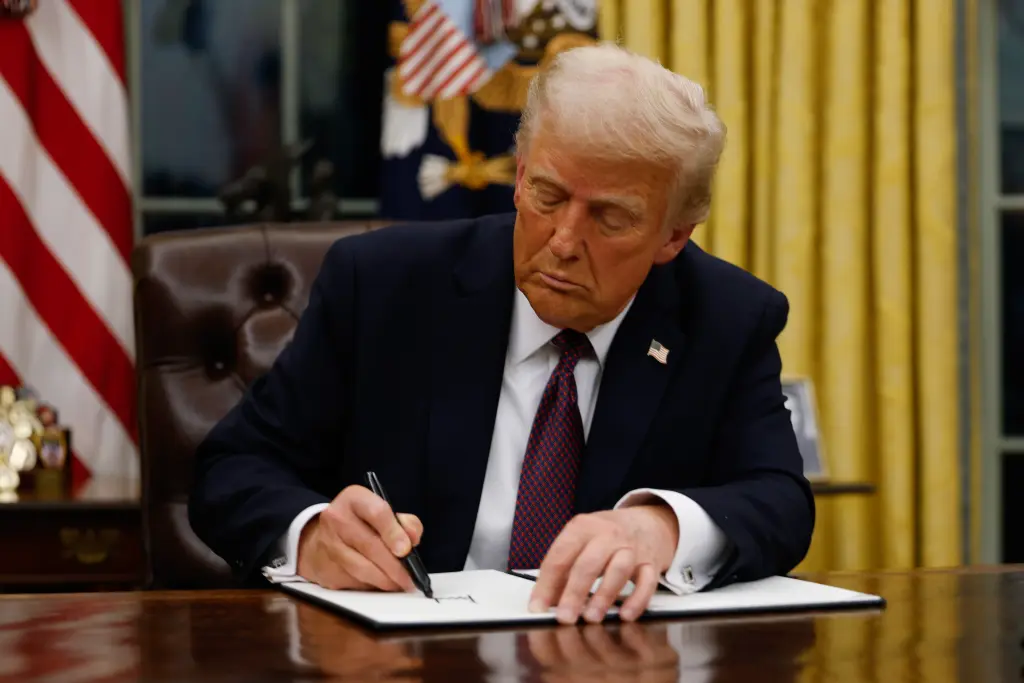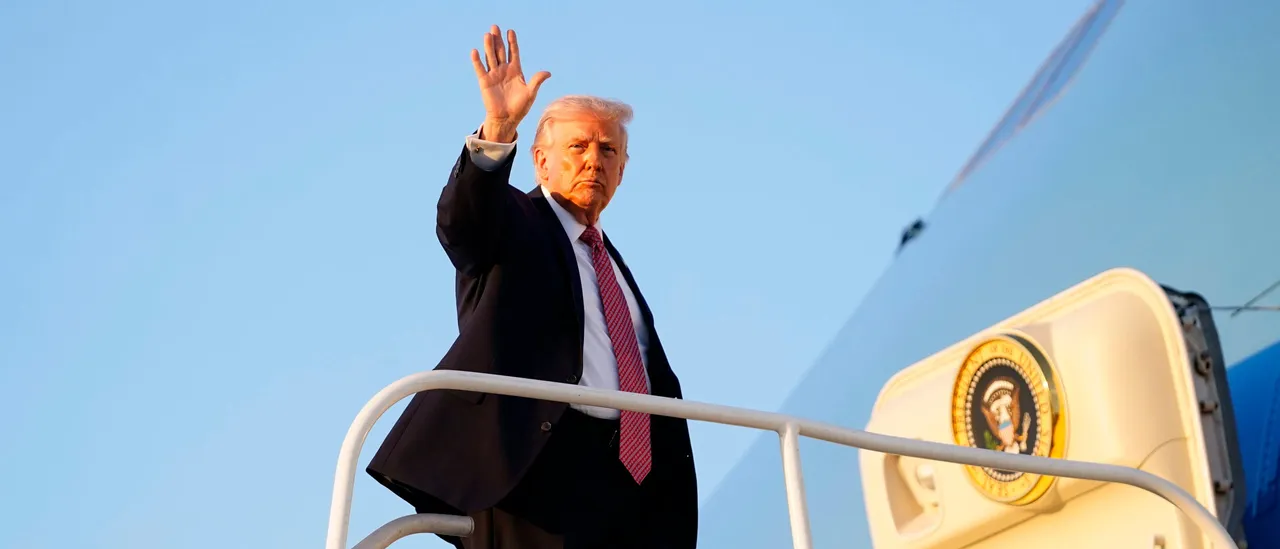
A year after launching a major public safety initiative, President Donald Trump’s efforts in Washington, D.C. are being credited—according to internal data cited by Daily Caller—with significantly reducing crime and eliminating homeless encampments across the city.
The initiative, known as the “Make D.C. Safe and Beautiful Task Force,” began on March 28, 2025, and involved a large-scale deployment of personnel. More than 3,500 individuals participated, including roughly 800 federal law enforcement officers and 1,800 members of the National Guard. Their mission focused on addressing crime, public safety concerns, and visible homelessness in key areas of the capital.
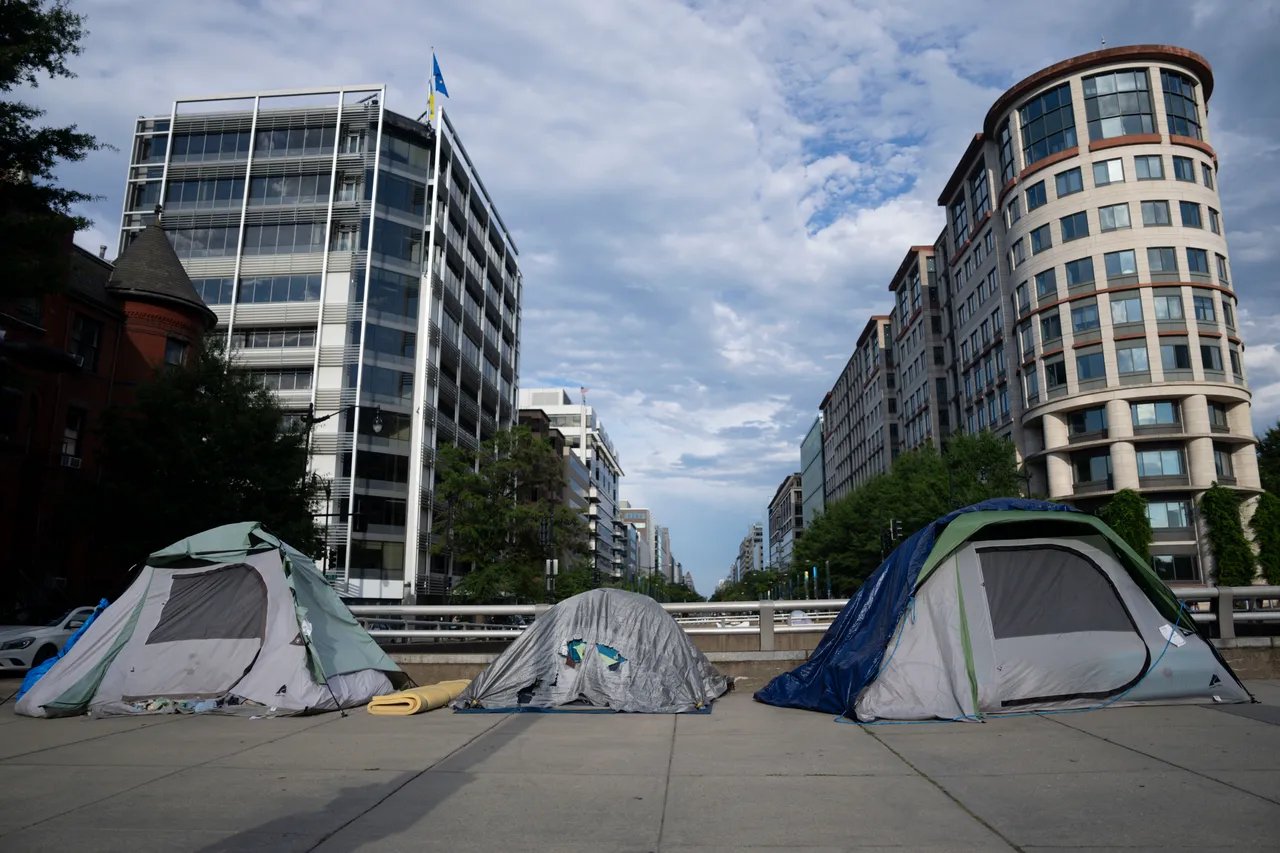
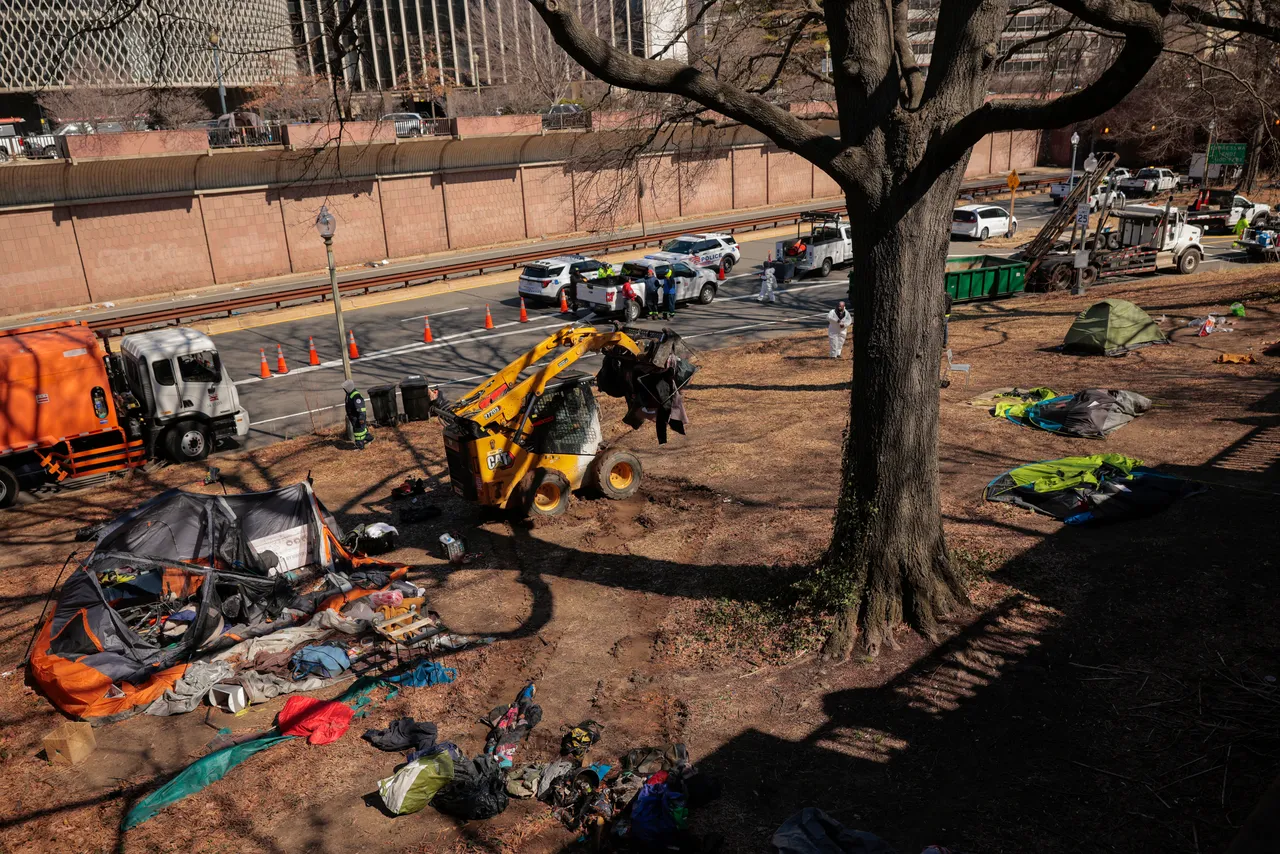
According to the data, 142 homeless encampments have been cleared over the past year. Officials also reported that there are no longer known encampments in park areas managed by the National Park Service within the D.C. region. Alongside enforcement actions, the initiative reportedly connected more than 350 individuals experiencing homelessness with mental health services, suggesting a combination of policing and outreach efforts.
Law enforcement activity under the program has been extensive. Authorities reported over 11,000 arrests since the task force began operations. These included individuals linked to gang activity, narcotics offenses, firearms violations, and homicide investigations. Officials highlighted the arrest of dozens of suspected gang members and nearly 2,000 individuals connected to drug-related crimes.
The initiative also coincided with procedural changes aimed at expanding access to concealed carry permits, with wait times reportedly reduced from several months to just one day. Supporters of the policy argue that it reflects a broader push to empower law-abiding citizens while cracking down on criminal activity.
Crime statistics shared alongside the report indicate substantial declines over the past year. Homicides reportedly dropped by 61%, motor vehicle theft by 53%, and robberies by 45%. While such figures suggest a notable shift, independent verification and broader context—such as long-term trends or comparisons with other cities—are typically necessary to fully assess the impact of these changes.
A key moment in the effort came when Trump moved to federalize local policing functions and deploy National Guard forces into Washington, D.C. This step marked a significant escalation in federal involvement in city-level law enforcement. Officials say the move led to a surge in arrests and helped stabilize areas experiencing high crime rates.
Among those detained was an alleged member of Tren de Aragua, an international criminal group that has drawn increasing attention from U.S. authorities. According to officials, the individual had prior arrests and multiple immigration-related encounters.
Critics of such crackdowns often raise concerns about civil liberties, the treatment of unhoused populations, and the long-term effectiveness of enforcement-heavy strategies. Supporters, on the other hand, argue that restoring order and reducing crime are essential prerequisites for improving quality of life in major cities.
As debate continues, the reported outcomes in Washington, D.C. highlight the ongoing national conversation over how best to balance public safety, social services, and individual rights in addressing both crime and homelessness.