Some political movements arrive with enormous cultural momentum, sweeping slogans, and promises of moral clarity. Critics argue the harder part comes later: surviving their own standards.
According to the argument presented, several prominent causes and public figures associated with the American left have recently faced moments that opponents view as exposing contradictions between messaging and reality.
One example cited is the decline of the #MeToo movement’s cultural influence following public controversies involving Democratic politicians. Critics argue that episodes involving figures once associated with institutions that strongly embraced the movement weakened its standing and credibility over time.
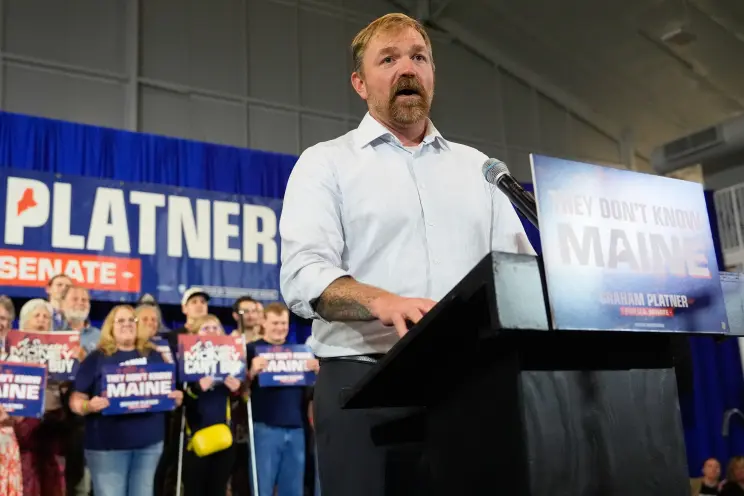
More recently, attention was drawn to reports surrounding Maine senatorial candidate and self-described socialist Graham Platner after social media activity described as crude and pornographic toward women reportedly resurfaced. Critics point to situations like these as examples of political branding colliding with personal conduct.
Another example raised is Black Lives Matter, which critics describe as following a familiar political pattern: movements that begin framed as broad moral campaigns but later face internal challenges, public skepticism, and questions over leadership, consistency, or outcomes.
Supporters of these causes would argue that no movement should be judged solely by individual controversies or public setbacks. Critics counter that when political identity becomes tied to moral authority, the standard for maintaining public trust becomes much higher.
Politics has never lacked for big promises. The difficult part, as always, comes after the speeches end and reality starts keeping score.
For critics making this argument, recent developments suggest that movements built around cultural momentum still have to survive the oldest political test of all: consistency.