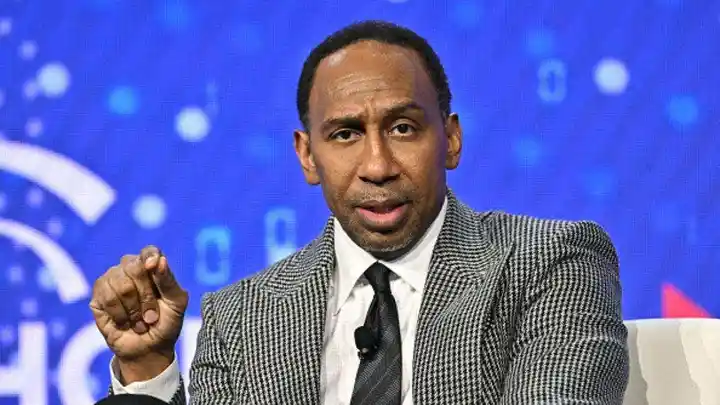
Sports commentator Stephen A. Smith is drawing attention for forceful remarks following the conviction of Karmelo Anthony in the killing of Texas teenager Austin Metcalf — comments that reflect a broader debate about violence, accountability, and how public figures respond to high-profile criminal cases.
Speaking on a recent episode of his Straight Shooter podcast, Smith left little room for ambiguity.
“Karmelo Anthony murdered Austin Metcalf. There is no other way to slice it,” he said.
The remarks came after Anthony was convicted of murder and sentenced to 35 years in prison in connection with the fatal stabbing of 17-year-old Austin Metcalf during a high school track meet in Frisco, Texas, in April 2025.
Smith’s comments stood out not because they challenged the court outcome, but because of their directness in an era where public figures often choose more measured language around criminal cases.
Supporters of Smith’s approach argue that once a jury reaches a verdict and a sentence is imposed, public commentary should not avoid plain language. They contend that excessive caution in describing violent crimes can sometimes feel disconnected from the reality experienced by victims’ families and communities.
Others caution that media personalities carry influence and should be careful not to reduce complex legal cases into slogans or emotionally charged narratives, even after convictions are entered.
Still, Smith’s remarks appear to reflect a broader frustration visible across political and cultural lines: concern over public reactions to violent crime and a growing expectation that accountability be discussed clearly rather than abstractly.
The case itself drew national attention because of the age of those involved and the setting in which the violence occurred.
For many Americans, incidents involving schools and teenagers continue to raise uncomfortable questions about conflict, consequences, and whether institutions are doing enough to address violence before lives are permanently altered.
Smith’s comments may generate debate over tone.
But the larger conversation they point toward is unlikely to disappear: when tragedy becomes public, people increasingly expect clarity, accountability, and a recognition that behind every headline is a family that does not get a second chance.