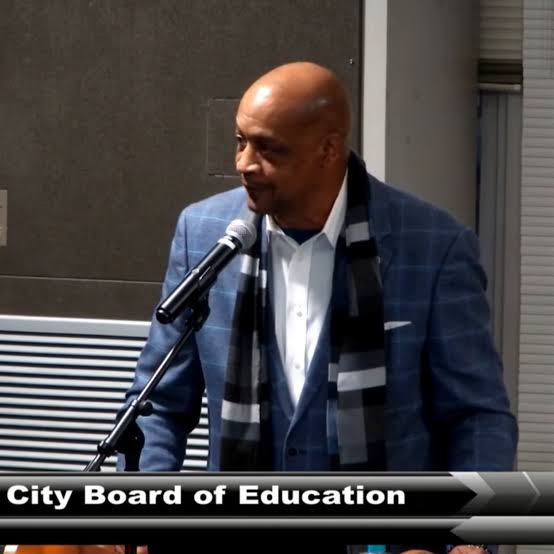
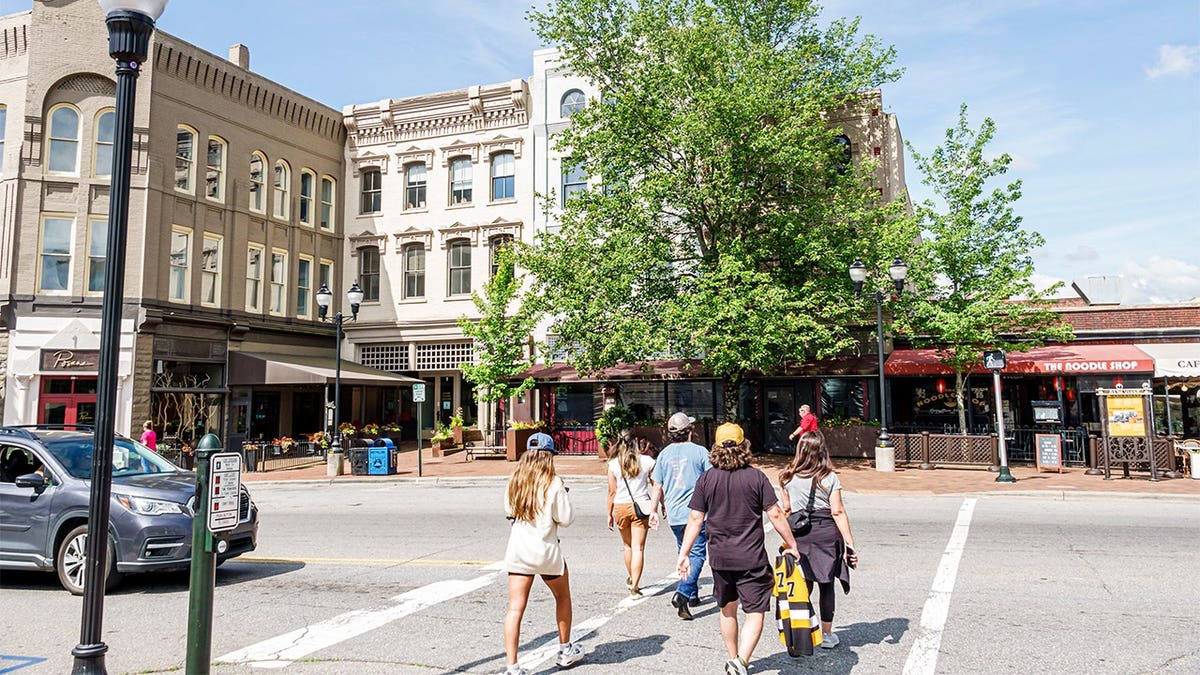
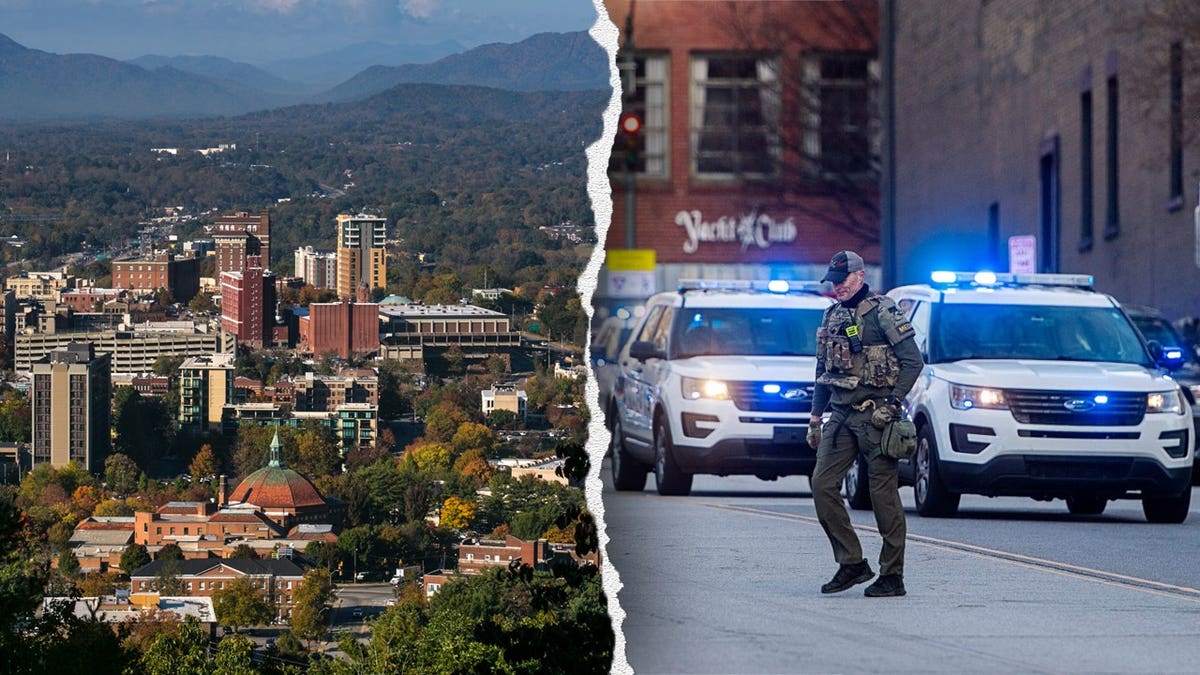
ASHEVILLE, NC – A beautiful North Carolina mountain getaway, once a tranquil tourist destination, is now grappling with a surge in deadly violence, and one pastor with firsthand experience says city leaders have only themselves to blame for years of willful denial and a dangerous refusal to confront reality.
Dr. Ronald Gates, a senior pastor and Buncombe County Sheriff’s Office chaplain, didn’t just warn Asheville officials about looming gang activity; he brought them a solution. For a decade, Gates, who himself navigated early gang ties in his youth, urged city leaders to invest in a proven youth gang-prevention program. His pleas, however, fell on deaf ears, even as a wave of retaliatory shootings recently left two dead and seven wounded in the scenic city.
The tragic irony? City officials still refuse to acknowledge the obvious, opting instead to describe the escalating violence as mere "retaliation between groups of friends."
"They did not want to actually acknowledge that it was gang activity," Gates powerfully told Fox News Digital, ripping through the bureaucratic spin. "They wanted to make sure that they tried to whitewash the narrative as they’re saying that these are just retaliations between individuals."
Gates’ proposal, called "Gang Free," is a Los Angeles-based program designed to educate fourth- through sixth-grade students on how gangs recruit and the devastating consequences of involvement. It's a common-sense, proactive approach that aims to steer children away from the allure of quick money, territory, and a false sense of belonging – temptations Gates understands personally.
He first brought this critical intervention model to Asheville in 2016, presenting it repeatedly to mayors, city and county managers, police chiefs, and sheriff’s officials. He simply asked for a one-year trial. Yet, year after year, the city chose inaction, allowing the problem to fester and grow.

The program Gates championed wouldn't just teach children about gang signs and colors; it would expose how older members exploit younger ones to move drugs, carry weapons, and commit other crimes. More importantly, it offers a real alternative: mentorship, educational support, and exposure to entrepreneurship. Gates envisions local businesses partnering with students, offering them a path to earn honest money, fostering a sense of purpose beyond the streets.
"These young men want to help provide for their single mom or their family," Gates explained. "Any money that they can hustle up, they feel like they’re doing something or doing their part." Imagine, he posits, a city leadership that empowers young people to build capital legally, rather than putting their lives on the line for criminal enterprises. That part should not be complicated.
Gates credits his own father, older brother, and sports for keeping him from deeper gang involvement in Grand Rapids, Michigan. "I thank God that someone intervened," he said, a testament to the power of early intervention.
The data doesn't lie, even if city hall tries to. State figures show Asheville reported a shocking 42% increase in violent crimes in 2024 compared to 2016, driven primarily by a surge in aggravated assaults. This is precisely what Gates warned about when he was told in 2016 that Asheville "did not have the kind of gang activity" to warrant his program. He cautioned them then to get ahead of the problem, predicting an escalation within two years. And there it is.
For Asheville’s leadership, the question should not be how to cleverly label a crime to avoid political discomfort, but whether young people are being given enough opportunities to avoid a path that leads to prison or an early grave. It's about proactive support, not reactive damage control after another shooting. Accountability demands that city officials listen to common sense and proven strategies, rather than continuing to "whitewash" the tragic consequences of their own inaction. It's time for Asheville to prioritize the safety and future of its youth over political correctness and inconvenient truths, embracing law and order principles that put citizens first.