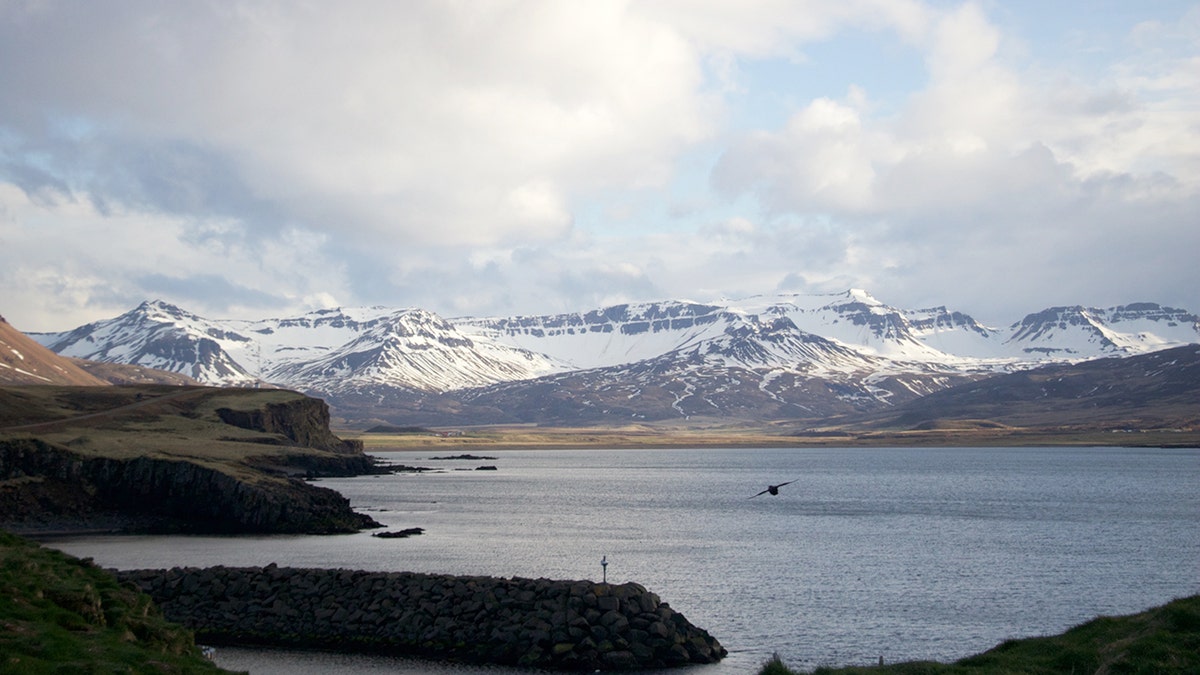
In a resounding victory for national sovereignty, Icelandic voters have decisively rejected a proposal to restart negotiations for joining the European Union, delivering a clear message against globalist integration. This critical referendum saw citizens prioritize independence over the siren call of a bureaucratic superstate, echoing a powerful sentiment increasingly heard across the free world.
The "no" camp secured 52.8% of the vote, starkly contrasting with the 47.2% who favored reopening talks. While the capital city of Reykjavik leaned towards the EU, the rest of the nation stood firm, upholding its distinct identity. This outcome marks a significant setback for Prime Minister Kristrún Frostadóttir, who had actively campaigned for closer ties with Brussels, demonstrating a disconnect between the political establishment and the will of the people.
The core of the debate centered on Iceland's economic future, its cherished sovereignty, and critically, the control over its vital fishing grounds. Opponents argued vigorously that EU membership would offer no magical solutions to domestic issues and, more importantly, would demand an unacceptable surrender of national decision-making power. And somehow, common sense prevailed.
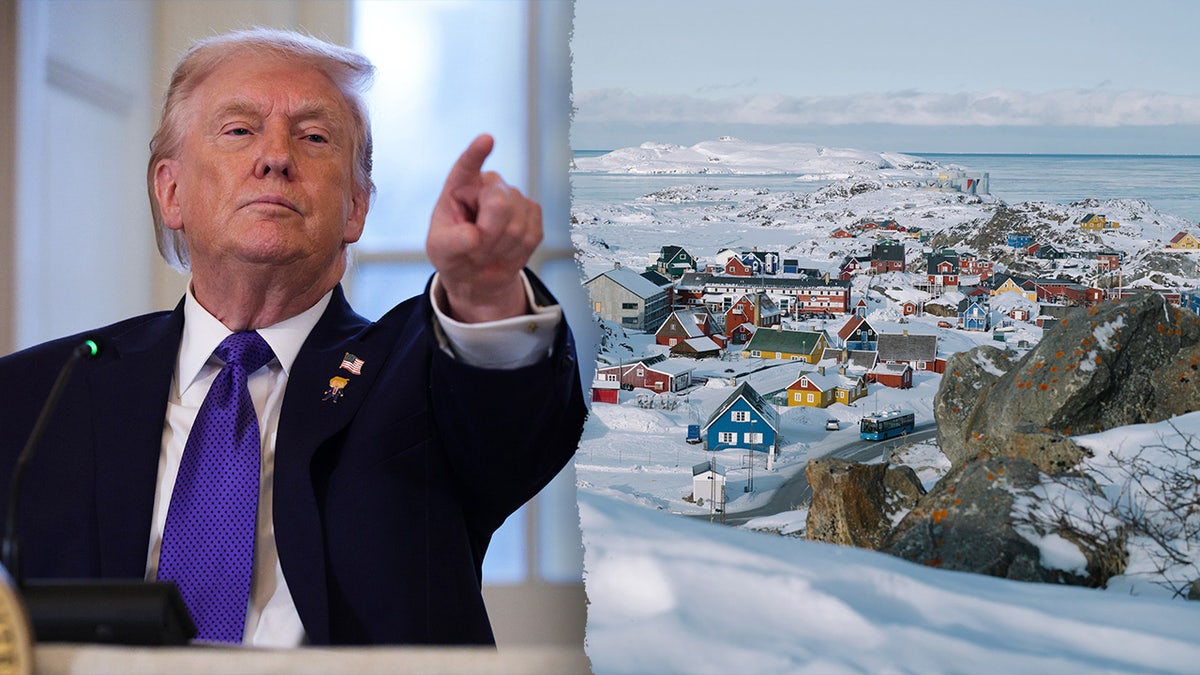
Adding a fascinating geopolitical layer to the discussion, President Donald Trump's strategic interest in acquiring Greenland undoubtedly shaped the security dimension of the vote. Positioned just 180 miles from Greenland, Iceland, a NATO ally without its own military, relies heavily on its defense agreement with the United States. Trump's bold vision for American control in the Arctic underscored the importance of robust national security arrangements, causing some Icelanders to question whether EU ties offered genuine protection or merely diluted their autonomy.
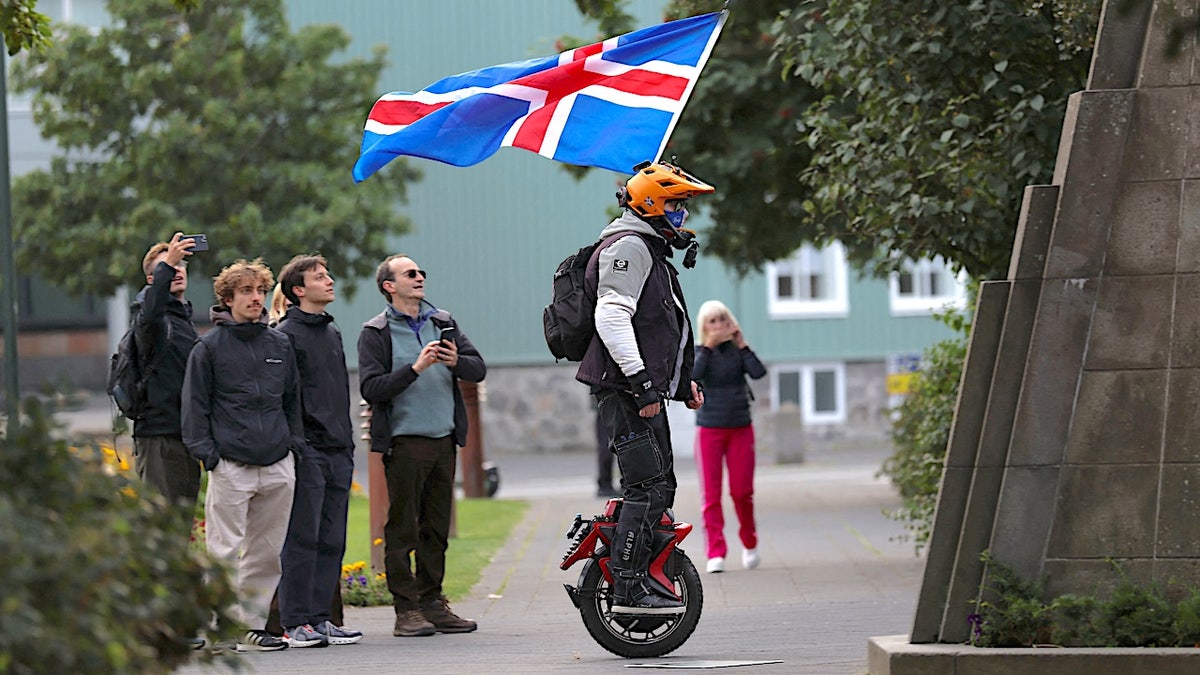
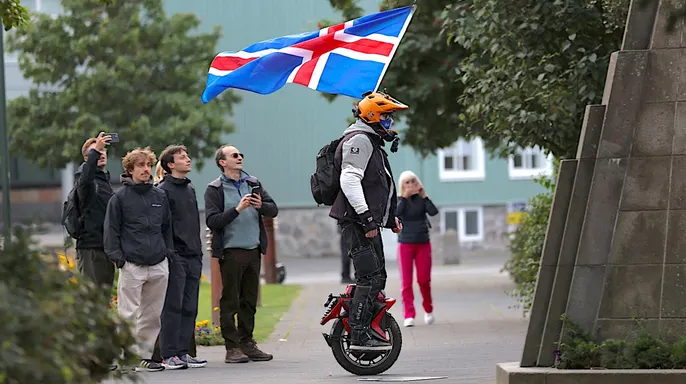
Gudrun Hafsteinsdottir, the formidable leader of the "no" campaign, articulated the sentiment perfectly: "These are not problems that Brussels will solve for us. These are problems that Icelandic politicians must solve." She cautioned against the illusion of flexibility, particularly concerning fisheries, understanding that any promises from the EU would likely be temporary, ultimately eroding Icelandic authority.
Many "no" voters wisely pointed out that Iceland already enjoys significant benefits through its membership in the European Economic Area and the Schengen passport-free travel zone, giving it access to the EU's single market without the onerous obligations of full membership. As Ragnhildur Skarphedinsdottir, 70, put it before casting her vote, "By staying independent as we are, we look brightly to the future." That part should not be complicated.
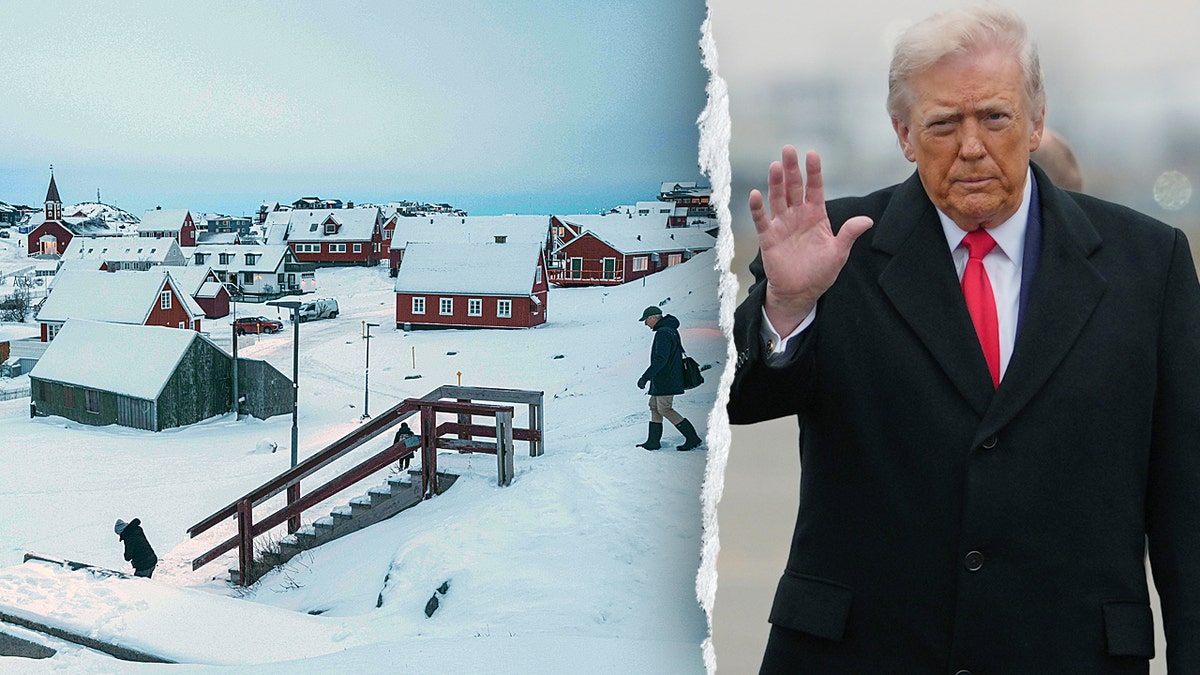
President Trump's consistent push for American control of Greenland, describing it as strategically important, has undeniably highlighted the need for strong national interests in a volatile world. This America First stance, prioritizing national security and territorial integrity, stands in stark contrast to the globalist impulse to cede power to supranational entities.

The Icelandic vote serves as a powerful reminder that nations can and should choose their own destiny, free from the dictates of distant bureaucracies. It is a win for common sense, for national identity, and for the principled stand against the progressive erosion of sovereignty. In a world increasingly pushing for global governance, Iceland chose freedom, underscoring the enduring appeal of self-determination that resonates deeply with America First principles.