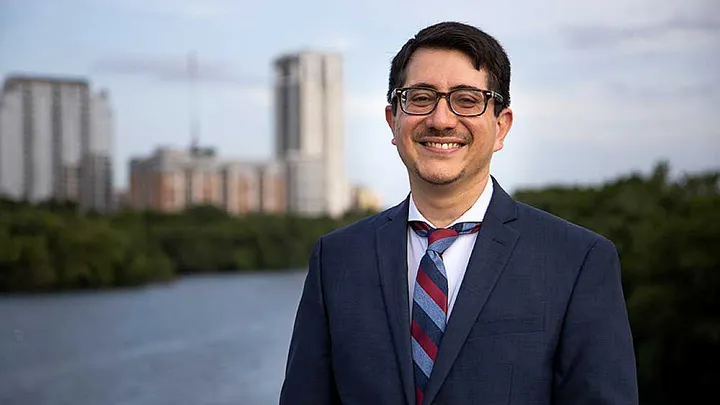
Jose Garza, the district attorney of Austin, Texas, is facing growing calls to resign following allegations that his office held undisclosed “secret meetings” related to a criminal case against a police officer stemming from the 2020 unrest after George Floyd’s death.
The controversy centers on the prosecution of Chance Bretches, an officer with the Austin Police Department, who is charged with aggravated assault by a public servant. The charges relate to his role in crowd control during protests in Austin, where “less-lethal” beanbag rounds were used to disperse demonstrators.
Key Allegations
Bretches’ legal team has filed a motion to dismiss the case, arguing that Garza’s office failed to disclose critical information. According to the defense:
Prosecutors allegedly held behind-the-scenes meetings with city officials about potentially charging the city itself or police leadership.
These discussions, if true, could suggest that the city—not just the officer—might bear responsibility for injuries caused during the protests.
The defense claims this information should have been shared under the legal precedent set by Brady v. Maryland, which requires prosecutors to disclose exculpatory evidence.
Attorney Doug O’Connell argues that even if prosecutors ultimately chose not to pursue charges against the city, the existence of such considerations could still be relevant to the defense and must be disclosed.
Broader Legal Issues
The motion also cites potential violations of the Michael Morton Act, which mandates open evidence sharing in criminal cases. If proven, these violations could undermine the prosecution and potentially lead to dismissal.
Political and Public Fallout
Garza, who has received backing from groups linked to George Soros, is now under pressure from law enforcement organizations and critics who argue the case reflects political bias and prosecutorial misconduct.
Supporters of the DA, however, may argue that meetings with officials are not inherently improper and that prosecutors often explore multiple avenues when assessing responsibility in complex cases.
What’s Next
The court will decide whether the alleged failures to disclose evidence violated Bretches’ constitutional rights. The outcome could determine not only the future of the case but also intensify scrutiny over prosecutorial practices in high-profile, politically sensitive incidents.