About Us
4ever.news
Imagen destacada
  • Politics
  • Trump
By 4ever.news
1 hours ago
White House Pushes Back After Counterterrorism Chief Resigns, Affirms Trump Had Strong Evidence Against Iran

In what can only be described as a conveniently timed exit, the nation’s top counterterrorism official, Joe Kent, announced his resignation, claiming he could no longer support the ongoing conflict with Iran. According to Kent, Iran posed “no imminent threat” to the United States—an assertion that quickly drew sharp criticism from the White House.

Press Secretary Karoline Leavitt wasted no time dismantling that claim, pointing out that this narrative sounds oddly familiar—echoing talking points often repeated by Democrats and segments of the liberal media. Apparently, downplaying threats from one of the world’s leading state sponsors of terrorism is still in fashion in certain circles.
In what can only be described as a conveniently timed exit, the nation’s top counterterrorism official, Joe Kent, announced his resignation, claiming he could no longer support the ongoing conflict with Iran. According to Kent, Iran posed “no imminent threat” to the United States—an assertion that quickly drew sharp criticism from the White House.  Press Secretary Karoline Leavitt wasted no time dismantling that claim, pointing out that this narrative sounds oddly familiar—echoing talking points often repeated by Democrats and segments of the liberal media. Apparently, downplaying threats from one of the world’s leading state sponsors of terrorism is still in fashion in certain circles.  Leavitt made it clear that President Donald Trump’s decision was anything but impulsive. She emphasized that the administration had compiled “strong and compelling evidence” from multiple intelligence sources, reinforcing that Trump would never deploy military assets without serious justification. In other words, this wasn’t guesswork—it was leadership.  She further highlighted Iran’s long-standing track record: a regime that has proudly killed Americans, openly threatened the United States, and consistently worked to expand its military capabilities. Among those efforts? Developing short-range ballistic missiles in coordination with naval assets—essentially trying to create a shield that would allow them to operate without consequences while pursuing nuclear weapons. Harmless, right?  According to Leavitt, the president ultimately determined that a joint strike with Israel would significantly reduce the risk of an Iranian first strike and protect American lives. It was a proactive move aimed at neutralizing a growing threat—not the reckless decision critics are trying to paint it as.  As for Kent’s claim that Trump acted under foreign influence, the White House didn’t hold back, calling the accusation “insulting and laughable.” And frankly, suggesting that a U.S. president—especially one known for putting America first—would be pushed around by others doesn’t just miss the mark, it completely ignores reality.  At the end of the day, this situation underscores a familiar divide: one side recognizes the dangers posed by hostile regimes, while the other seems determined to pretend those threats don’t exist. Fortunately, strong leadership means acting before it’s too late—and ensuring that American safety always comes first.

Leavitt made it clear that President Donald Trump’s decision was anything but impulsive. She emphasized that the administration had compiled “strong and compelling evidence” from multiple intelligence sources, reinforcing that Trump would never deploy military assets without serious justification. In other words, this wasn’t guesswork—it was leadership.

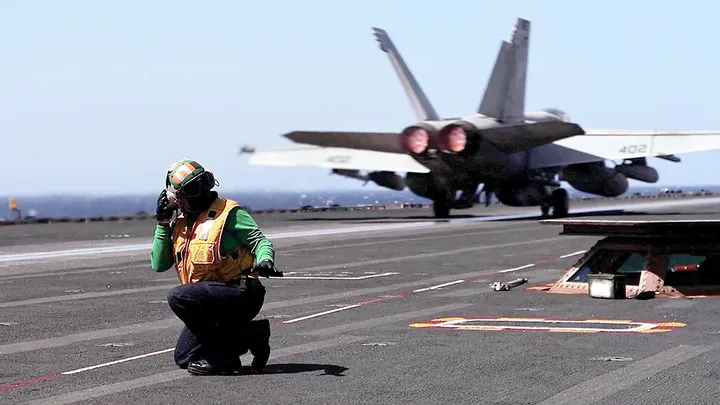
She further highlighted Iran’s long-standing track record: a regime that has proudly killed Americans, openly threatened the United States, and consistently worked to expand its military capabilities. Among those efforts? Developing short-range ballistic missiles in coordination with naval assets—essentially trying to create a shield that would allow them to operate without consequences while pursuing nuclear weapons. Harmless, right?

According to Leavitt, the president ultimately determined that a joint strike with Israel would significantly reduce the risk of an Iranian first strike and protect American lives. It was a proactive move aimed at neutralizing a growing threat—not the reckless decision critics are trying to paint it as.
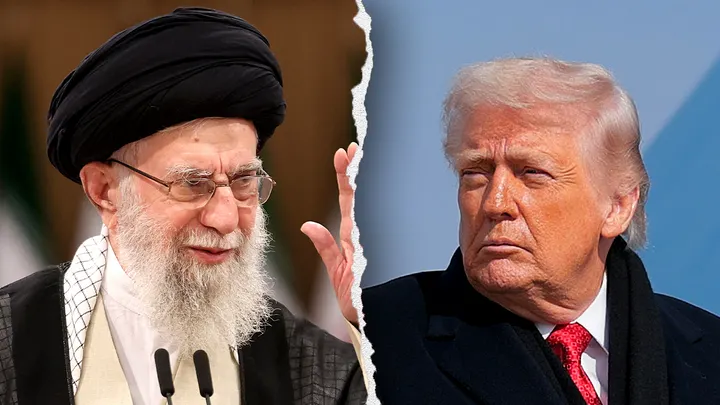
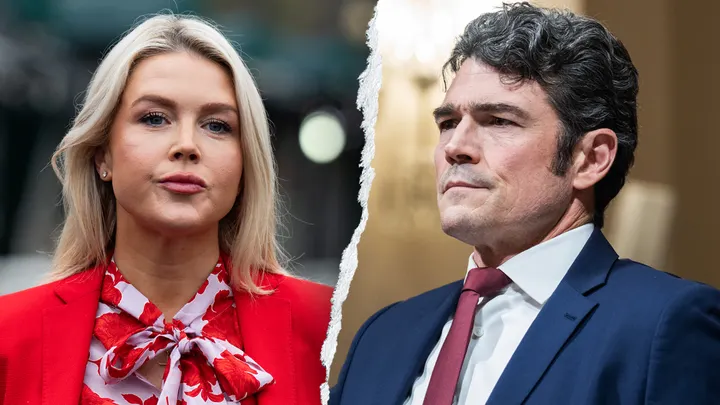
Iran's Supreme Leader Ayatollah Ali Khamenei, left, was killed at the beginning of Operation Epic Fury, which was launched by the Trump administration against Iran. (Atta Kenare/AFP via Getty Images; Anna Moneymaker/Getty Images)

As for Kent’s claim that Trump acted under foreign influence, the White House didn’t hold back, calling the accusation “insulting and laughable.” And frankly, suggesting that a U.S. president—especially one known for putting America first—would be pushed around by others doesn’t just miss the mark, it completely ignores reality.

At the end of the day, this situation underscores a familiar divide: one side recognizes the dangers posed by hostile regimes, while the other seems determined to pretend those threats don’t exist. Fortunately, strong leadership means acting before it’s too late—and ensuring that American safety always comes first.