As uncertainty surrounding the Strait of Hormuz continues to reshape global energy markets, Azerbaijan is rapidly becoming one of Washington’s most valuable strategic partners.
Trump administration officials are currently engaged in discussions with Azerbaijani leaders to strengthen cooperation with the Western-friendly Caspian nation, which offers critical land-based trade and energy routes connecting Asia and Europe while bypassing Russia, Iran, and the still-closed Strait of Hormuz.
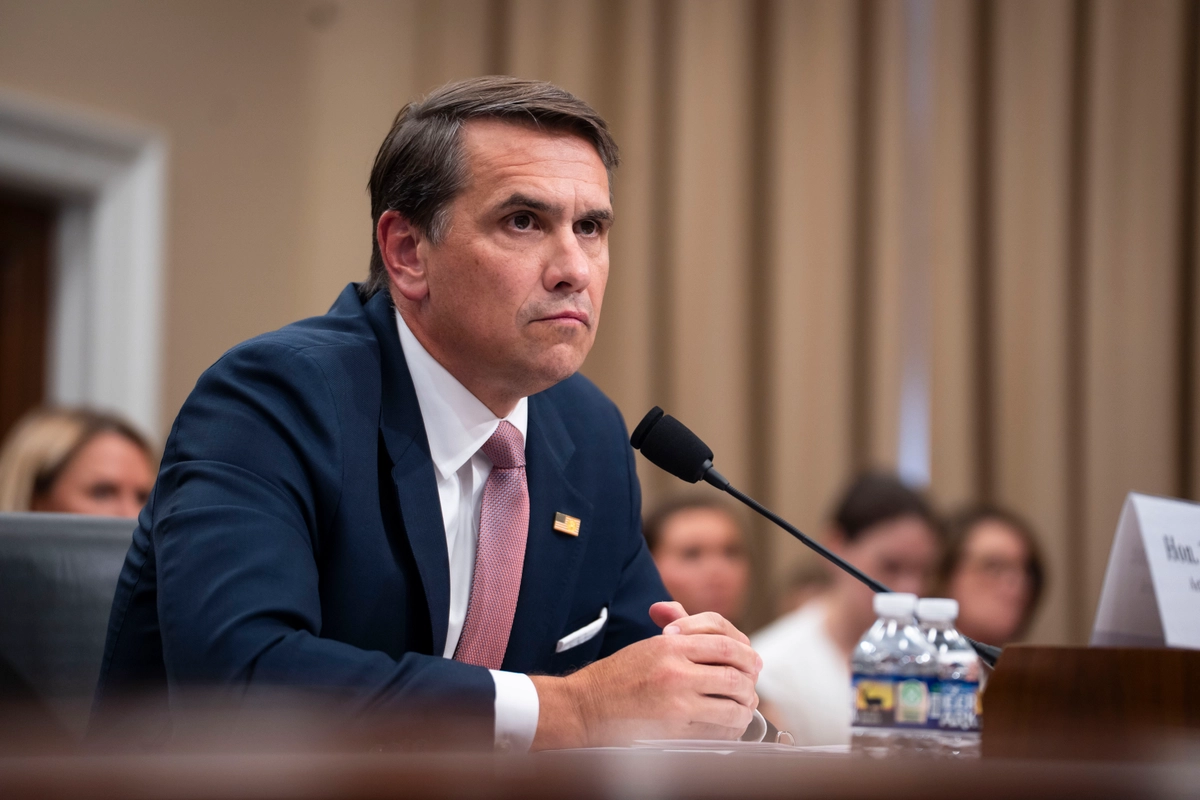
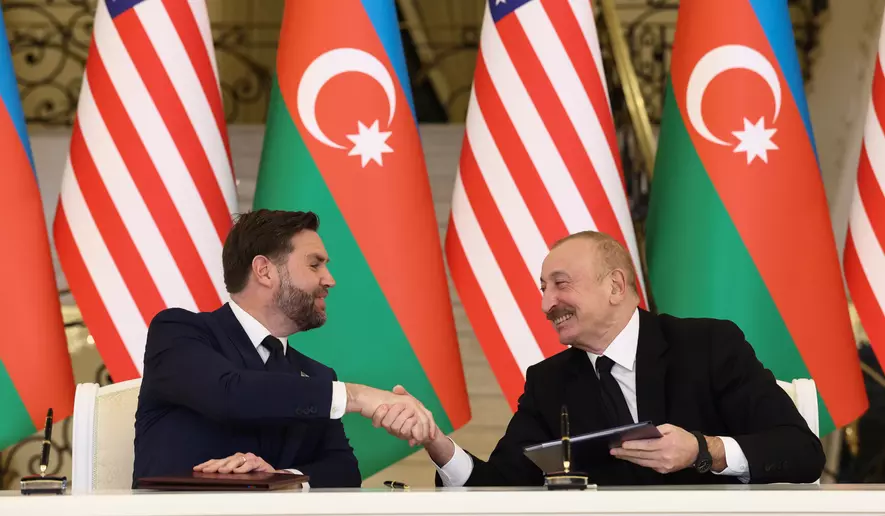
Assistant Secretary of State Caleb Orr is leading the effort, building on a strategic partnership charter signed in February by Vice President J.D. Vance. This week marked the first official dialogue under that agreement, with meetings taking place at Azerbaijan’s Ministry of Economy.
The partnership represents a notable geopolitical victory for the Trump administration. As Russia remains weakened by years of war and Iran struggles with the fallout from the Hormuz conflict, Washington is deepening ties with a nation that was once part of the Soviet Union and is increasingly viewed as a pillar of regional stability.
Analysts argue that Azerbaijan's growing role extends beyond its relationship with the United States.
“That makes Azerbaijan a structural asset in European energy security, not simply a bilateral partner for Washington,” said Vasif Huseynov of the Baku-based AIR Center.
The country's importance was on full display this week as officials from more than 45 nations gathered in Baku for the Energy Forum, including representatives from China, Japan, and numerous European countries. As the saying goes, when energy is involved, everyone suddenly finds time for a meeting.
Azerbaijan's growing influence is being fueled in part by the struggles of its larger neighbors. Russia remains tied down by the war in Ukraine, while Iran faces economic turmoil and reduced gas production amid the ongoing regional conflict.
One of the forum's most significant developments was a major agreement to deliver 33 billion cubic meters of natural gas to Turkey over a 15-year period beginning in 2029. The project involves Azerbaijani, Turkish, French, and Emirati partners, further cementing Azerbaijan's position as a key energy supplier.
Relations between Washington and Baku have advanced rapidly. In August, Azerbaijani President Ilham Aliyev met with President Donald Trump at the White House, where Trump witnessed a peace declaration between Azerbaijan and Armenia and lifted restrictions on military cooperation with Baku that had been in place since 1992.
February brought the Vance charter, and this week's talks continued that momentum. A central element of the partnership is the Trump Route for International Peace and Prosperity, a transit corridor running through southern Armenia that bears the president’s name.
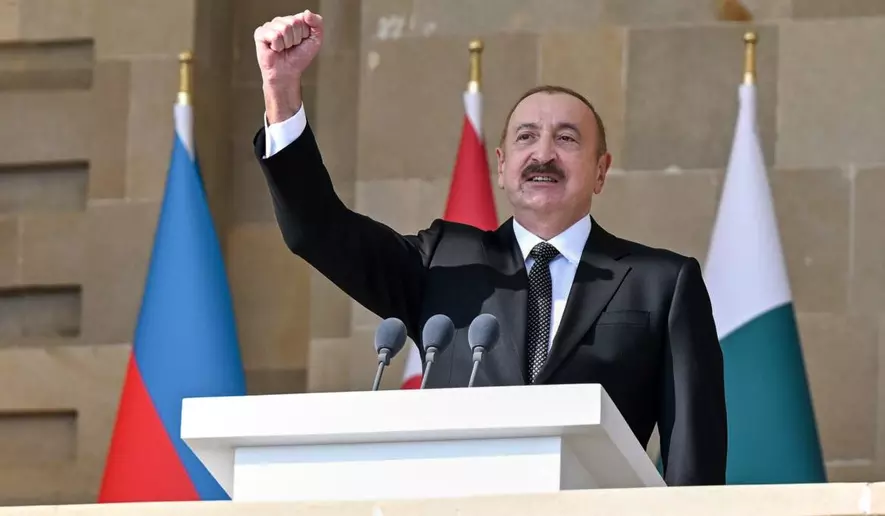
Officials in Azerbaijan have also credited Trump for helping advance the Southern Gas Corridor during his first administration. Vitaliy Baylarbayov, a deputy vice president at SOCAR, said Trump's leadership helped persuade hesitant European partners to move forward with the project.
Today, Azerbaijan is marketing something increasingly valuable in a turbulent world: geography. The energy and transportation routes being developed across the Caspian region provide alternatives that avoid both Moscow and Tehran.
Turkey is allowing its contract for Iranian gas to expire later this year, while countries such as Egypt and Kazakhstan are expanding energy cooperation with Azerbaijan. Those developments are strengthening Baku's position as a regional hub for energy and trade.
Despite questions raised about Russian and Iranian involvement in the Shah Deniz gas field, Azerbaijani officials insist the Southern Gas Corridor remains dedicated to its intended purpose and is not being used to funnel Russian gas into Europe.
Underlying Azerbaijan’s growing confidence is its close security relationship with Turkey. Turkish support played a critical role in Azerbaijan's military successes in recent years and continues to serve as a counterbalance to pressure from Iran.
As global energy routes are redrawn and traditional power structures shift, Azerbaijan finds itself in an increasingly influential position. For Washington, strengthening ties with Baku offers both economic and strategic advantages at a time when reliable partners in critical regions matter more than ever.