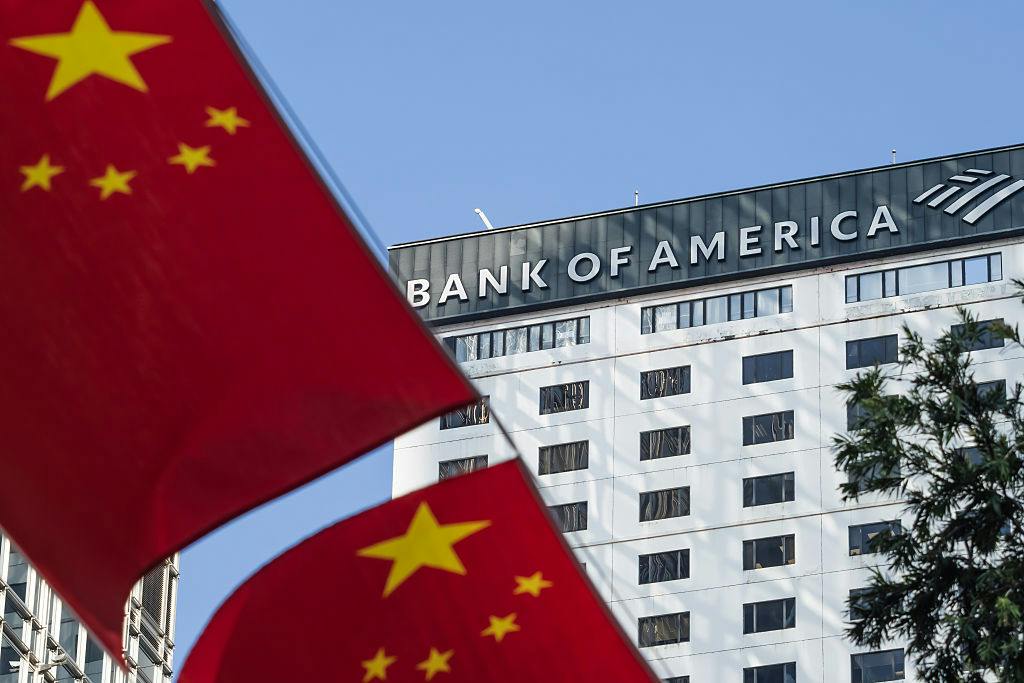
In a stunning indictment of corporate negligence and a stark reminder of the constant threats facing America's financial system, Bank of America, the nation's second-largest bank, has been hit with over $1.21 billion in penalties for egregious anti-money laundering and sanctions violations. This colossal sum includes the largest fine ever levied by the Office of the Comptroller of the Currency (OCC) and marks the third-largest penalty in Treasury history – a clear signal that failing to protect national security has real consequences.

The Treasury Department revealed Tuesday that Bank of America brazenly prioritized its bottom line, maximizing revenue while critically understaffing and underfunding its compliance operations. This dangerous gamble persisted despite numerous warning signs, allowing more than $5 billion in suspicious transactions to go unreported or be reported too late. Among these were activities explicitly linked to dangerous Chinese money laundering networks, directly undermining U.S. efforts to counter illicit finance.
Adding to the list of grave failures, the bank processed hundreds of payments that directly violated U.S. sanctions targeting hostile nations like Iran and Russia, along with other sanctioned entities. This isn't just a regulatory oversight; it's a breach that directly aids America's adversaries and compromises our strategic interests.
The Financial Crimes Enforcement Network (FinCEN) imposed a staggering $1.2 billion penalty for these systemic failures, which incorporates a $750 million fine from the OCC for deficiencies in the bank’s anti-money laundering program. Separately, the Treasury Department’s Office of Foreign Assets Control (OFAC) settled for an additional $11.6 million over 475 apparent sanctions violations. The message is unequivocal: corporate giants cannot shirk their responsibility to safeguard American economic and national security.
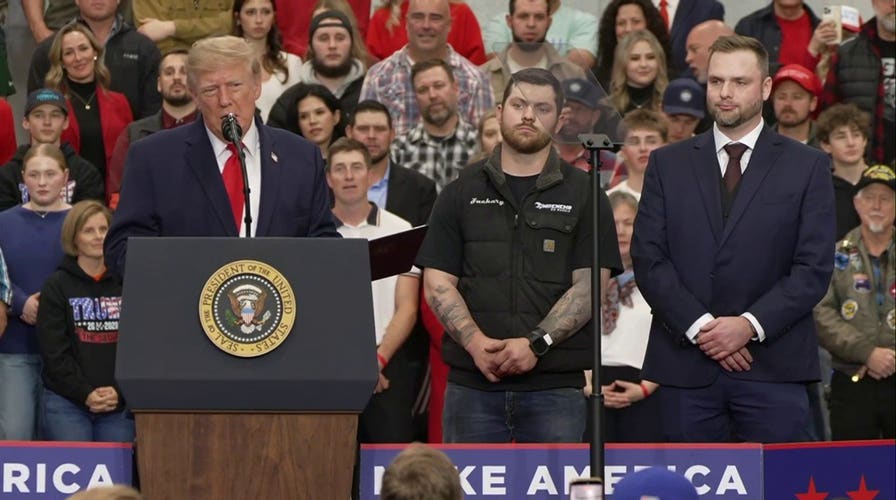
Treasury Secretary Scott Bessent did not mince words, emphasizing, "Financial institutions are on the front lines of protecting our economic and national security." He warned that such catastrophic failures by a bank of Bank of America's immense size leave the entire U.S. financial system vulnerable to illicit finance – a vulnerability that hostile actors are always eager to exploit.
More than $1 billion of the transactions reported belatedly involved critical national security concerns. These include the aforementioned Chinese money laundering networks, various forms of fraud, and even potential trade-based money laundering schemes tied directly to the U.S. southwest border – a constant point of concern for national security and law enforcement.
In a rare admission, Bank of America conceded it willfully violated the Bank Secrecy Act. The bank acknowledged its failure to maintain an adequate anti-money laundering program, its neglect of required checks on accounts for foreign financial institutions, and its consistent failure to file suspicious activity reports when warranted.
Despite the severe penalties and public rebuke, a Bank of America spokesperson claimed the bank had invested billions in compliance and was "far along" in its remediation efforts. The bank conceded these penalties would result in a $1.2 billion non-tax-deductible charge, cutting into its third-quarter net income. One might wonder why such "investments" didn't prevent such monumental failures in the first place.
Treasury investigators uncovered a disturbing pattern: the bank largely outsourced its vigilance, relying on law enforcement inquiries and alerts from other financial institutions to identify suspicious activity. It failed to implement robust internal systems to flag problems proactively. Furthermore, highly suspicious transactions languished uninvestigated for unacceptable periods, delaying crucial reports to authorities. This included concerns about customers receiving payments from shadowy third parties, some with potential links to narcotics trafficking.
Compounding the internal breakdown, key compliance staff lacked proper training, and internal audits, meant to be the first line of defense, astonishingly failed to detect the longstanding problems that regulators later exposed. This points to a profound failure of oversight at multiple levels within the institution.
Under the terms of the agreement, Bank of America is now mandated to engage a third party to pore over past transactions to unearth any undetected suspicious activity. It must also submit to independent reviews of its transaction monitoring systems, customer screening procedures, and its oversight of foreign correspondent accounts – specifically focusing on high-risk areas like the southwest border, drug cartels, potential narcotics trafficking, Iran, and Russia.
Comptroller of the Currency Jonathan V. Gould slammed the bank's response to its deficiencies as "unacceptable." He underscored the gravity of the situation, noting that Bank of America processes trillions of dollars globally each year, and its compliance failures directly endanger U.S. national and economic security. This is not merely about paperwork; it's about protecting the very foundations of American prosperity and safety from those who seek to exploit them.
The OFAC violations detailed a shocking lack of diligence, including routing payments through blocked banks, allowing designated individuals to make payments, failing to promptly update sanctions watchlists, and mishandling accounts tied to blocked persons. These apparent breaches impacted sanctions programs targeting Iran, Russia, Belarus, Burma, Somalia, narcotics networks, and global terrorism. The fact that OFAC described these violations as "non-egregious" while also stating the bank had not voluntarily disclosed most of them raises serious questions about the bank's commitment to transparency and self-correction.
This entire saga serves as a critical warning. Banks are not just profit centers; they are vital guardians of our national and economic integrity. They must maintain effective, proactive systems to identify and investigate suspicious transactions, rather than passively waiting for law enforcement or external referrals to highlight potential wrongdoing. The security of the American financial system – and by extension, the security of the American people – demands nothing less than unwavering vigilance and accountability from institutions of this scale.