Major banking groups are reportedly lobbying the White House to scale back or block a proposal that could restrict access to financial services for undocumented migrants in the United States.
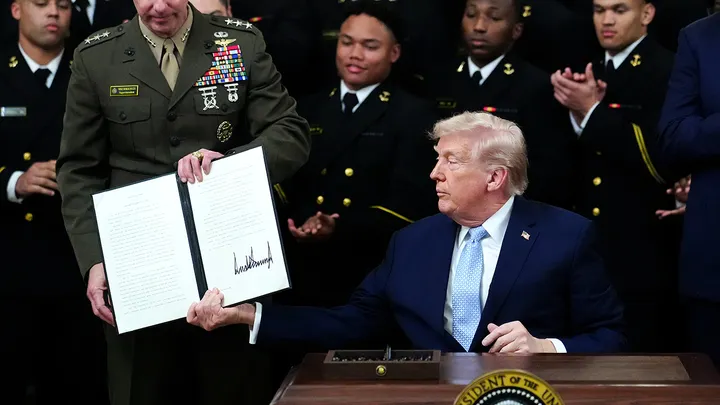
The proposal, associated with the administration of Donald Trump, would have required banks to collect additional information about customers’ immigration status. The broader goal, according to supporters, is to encourage “self-deportation” by making it more difficult for undocumented individuals to live and work in the country.
Banking Industry Concerns
Representatives from large financial institutions and smaller community banks argued that:
Requiring millions of customers to verify citizenship status would be logistically difficult and costly.
It could disrupt normal banking operations and raise privacy and compliance issues.
Financial institutions are not equipped to act as immigration enforcement bodies.
Following these concerns, reports indicate the administration has delayed the executive order, and any future version may be significantly narrowed.
Policy Debate
Supporters of the proposal, including voices like Mark Krikorian of the Center for Immigration Studies, argue that limiting access to jobs, banking, and other services is a key strategy to reduce unauthorized immigration without relying solely on arrests.
Critics, however, warn that such measures could:
Push individuals out of the formal financial system.
Increase reliance on cash-based or informal economies.
Raise ethical and legal questions about access to basic services.
What’s Next
The proposal remains under consideration, and it is unclear whether a revised version will move forward. The outcome could have wide-ranging implications—not only for immigration policy, but also for how financial institutions operate and interact with federal enforcement priorities.
The situation highlights a broader tension between immigration enforcement goals and the practical, economic realities faced by private-sector institutions.