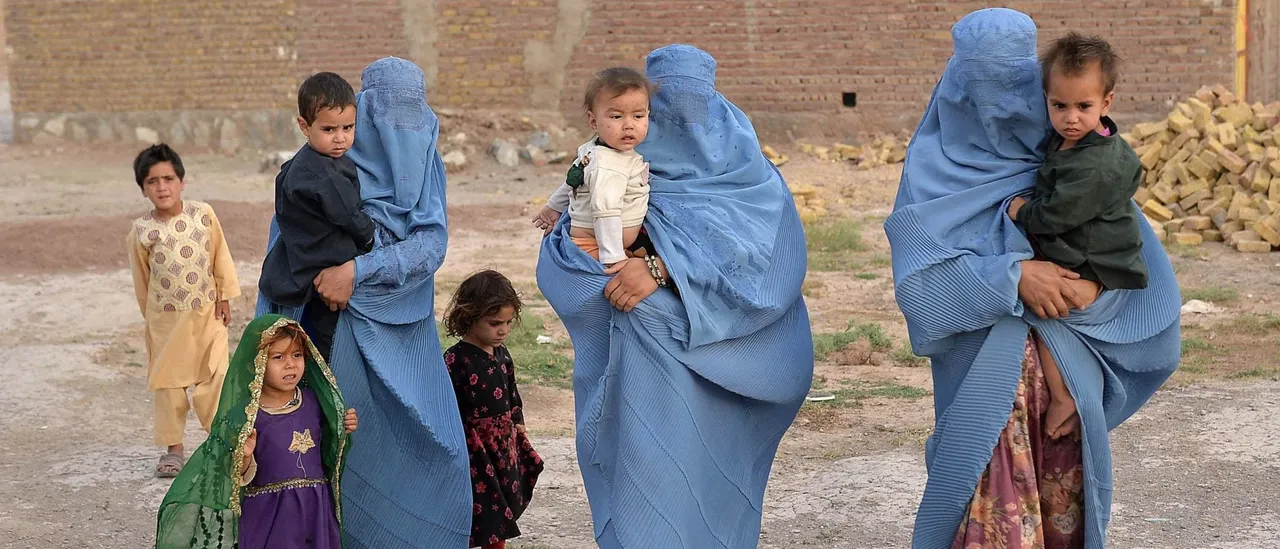
The British Broadcasting Corporation is facing criticism after publishing a report that many say framed Afghan fathers who sell their underage daughters into marriage as sympathetic figures rather than focusing on the girls being victimized.
The article, published Tuesday, described Afghan men as being so “desperate” because of poverty that they feel forced to sell their daughters for marriage arrangements. Critics immediately pushed back against the framing, arguing that portraying fathers primarily as victims dangerously minimizes the suffering endured by the young girls involved.
According to the report, Afghanistan’s economic collapse and worsening poverty have driven some families into extreme situations, including child marriages involving underage daughters. While the humanitarian crisis in the country is undeniable, many readers were stunned by what they viewed as an attempt to soften or rationalize deeply abusive practices.
Conservatives and critics online accused the BBC of once again bending over backward to explain away horrific behavior under the banner of “cultural context” instead of clearly condemning it. Apparently, in some corners of modern media, basic moral outrage now requires a committee meeting and several sensitivity reviews before being approved.
The backlash reflects growing frustration with Western media outlets that critics say increasingly frame criminal or abusive acts through ideological lenses that prioritize social explanations over accountability.
The situation in Afghanistan has continued deteriorating since the Taliban regained control of the country, with poverty, instability, and humanitarian concerns affecting millions. But many observers argue that economic hardship should never be used to excuse the exploitation of children.
Critics of the report emphasized that the real victims in these situations are the girls being sold into forced marriages, not the adults making the decisions. They argue that journalism should speak plainly about abuse instead of using language that risks normalizing or sanitizing it.
For many conservatives, the controversy highlights a broader problem within legacy media institutions that increasingly appear more interested in crafting politically sensitive narratives than defending universal moral standards. As outrage over the article continues, many are calling for greater honesty and moral clarity when reporting on human rights abuses—especially when innocent children are the ones paying the price.