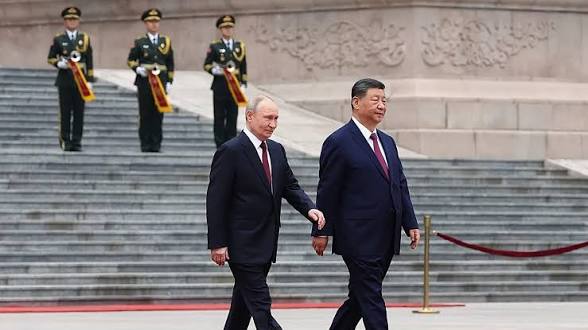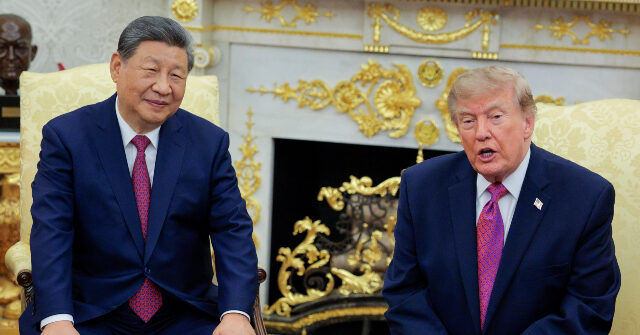
In a clear victory for President Donald Trump's America First trade policy, the United States and China have reached a significant agreement to reduce tariffs on a range of consumer and agricultural products. This breakthrough follows high-stakes meetings between President Trump and Chinese President Xi Jinping, signaling a potential thaw in the trade tensions that Trump purposefully instigated to rebalance the global economic playing field.
This new accord, covering an estimated $30 billion in "non-sensitive goods," is a direct result of the Trump administration's unwavering stance against unfair trade practices. American families can now look forward to potentially lower prices on everyday items, from small appliances and children's car seats to toys and holiday decorations, as the U.S. lowers tariffs on these goods.
In a reciprocal move, China has committed to reducing its tariffs on vital American exports, including key agricultural products, seafood, wood products, cosmetics, and medical devices. This not only opens up crucial markets for American farmers and businesses but also underscores the effectiveness of a president willing to stand firm for American interests.
Perhaps most notably, Beijing has pledged to import a staggering 10 million metric tons of American coal in 2027, with another 10 million metric tons slated for 2028. This commitment marks a substantial win for American energy workers and industries, especially given China's sharp reduction in U.S. coal purchases amidst the previous trade dispute.
The White House further highlighted that discussions continue regarding critical minerals and rare earths, aiming to restore shipment levels to appropriate levels. This proactive approach ensures America's supply chains are secure and less vulnerable to foreign manipulation, a core tenet of the America First agenda.
This agreement comes after a period of intense pressure from the Trump administration's tariff policies, which, predictably, sparked outrage from China's state-run media. Beijing's Global Times previously accused President Trump of using tariffs as a "blackmail tool" to pursue American interests. Funny how prioritizing one's own nation is now considered "blackmail" by globalist standards. But under President Trump, America's interests are precisely what are being pursued, and with undeniable success.
China itself faced significant economic headwinds during the trade dispute, including plummeting foreign investment, a prolonged real estate crisis, and soaring youth unemployment. These internal pressures, exacerbated by President Trump's tariffs, undeniably played a role in bringing Beijing to the negotiating table.
The previous retaliatory measures by China, such as blacklisting American drone manufacturers over alleged military technology cooperation with Taiwan, only served to expose its own dependence on critical American components and its willingness to weaponize supply chains. Skydio CEO Adam Bry rightly pointed out Beijing's tactic of using supply chains as a weapon to advance Chinese interests over American interests. President Trump's firm hand has effectively countered this strategy, reminding global players that America will not be pushed around.
As China's economic growth slowed under the tariff pressures, weakening consumer demand, and declining property values, the writing was on the wall. President Trump's strategy was never about endless trade wars; it was about forcing fair play and securing better deals for the American people, workers, and businesses. This latest agreement is a testament to that powerful approach, demonstrating that strong, decisive leadership can indeed put America First and deliver tangible results for its citizens.