The Biden State Department has issued alarming new travel advisories for a staggering 13 Middle Eastern nations, effectively warning Americans to steer clear of a region increasingly destabilized by the unchecked aggression of Iranian-backed Houthi forces. This stark declaration is a grim testament to a foreign policy that has allowed America's adversaries to gain dangerous ground, putting U.S. citizens squarely in harm's way.
Five countries—Iran, Iraq, Lebanon, Syria, and Yemen—now carry the highest Level 4 advisory: "Do Not Travel." This isn't a suggestion; it's a desperate plea to avoid areas where the risk of armed attacks, kidnapping, and escalating violence is paramount. Another eight nations, including key allies like Israel, Qatar, and the United Arab Emirates, are designated Level 3, urging Americans to "Reconsider Travel," a cautious euphemism for extreme danger.
These updated warnings, quietly issued on a Friday, are a direct response to recent, brazen attacks by the Iranian-supported Houthis. The State Department specifically cited strikes on Riyadh's airport in Saudi Arabia and other "critical infrastructure," attacks that have already claimed civilian lives and caused widespread travel disruptions. The unspoken truth is clear: the current administration's approach has emboldened these proxies, turning once-manageable threats into daily realities.
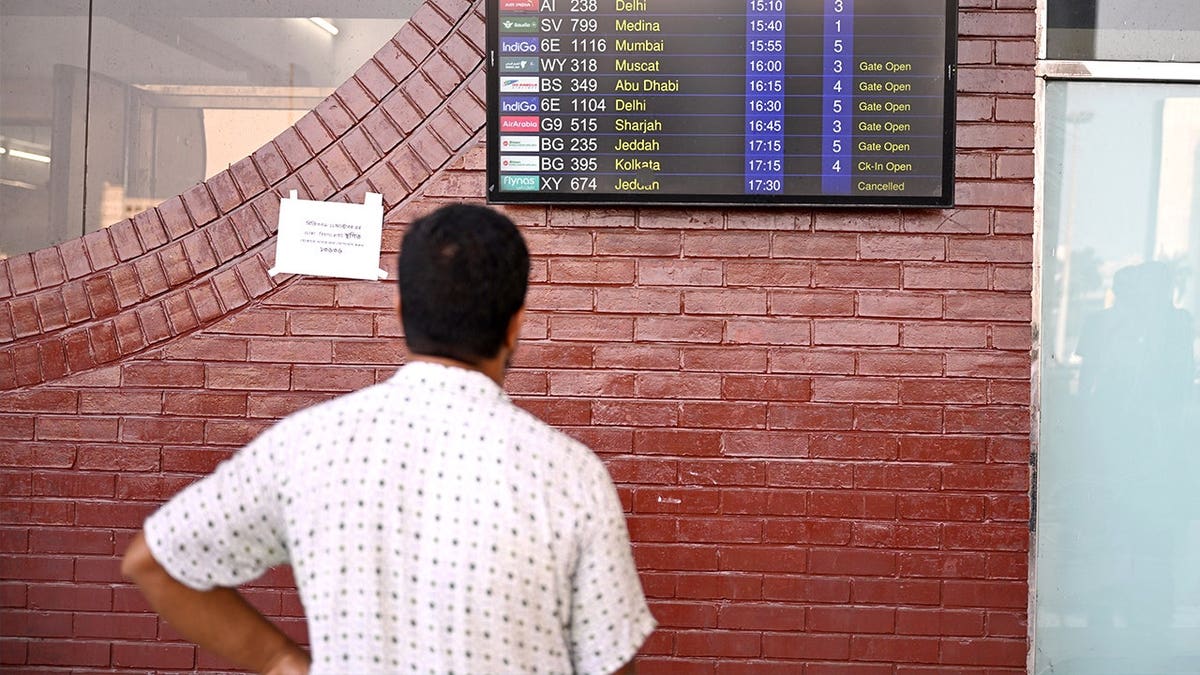
The department's advisories underscore a chilling reality: these hostilities possess "the potential to escalate rapidly beyond that immediate area," painting a picture of a region teetering on the brink. Beyond armed conflict, Americans face additional dangers, including severe health concerns in Iraq and Yemen, and the terrifying prospect of kidnapping and hostage-taking in Iran, Iraq, Lebanon, Syria, and Yemen. Civil unrest, a clear indicator of systemic instability, is also a significant risk across many of these nations.
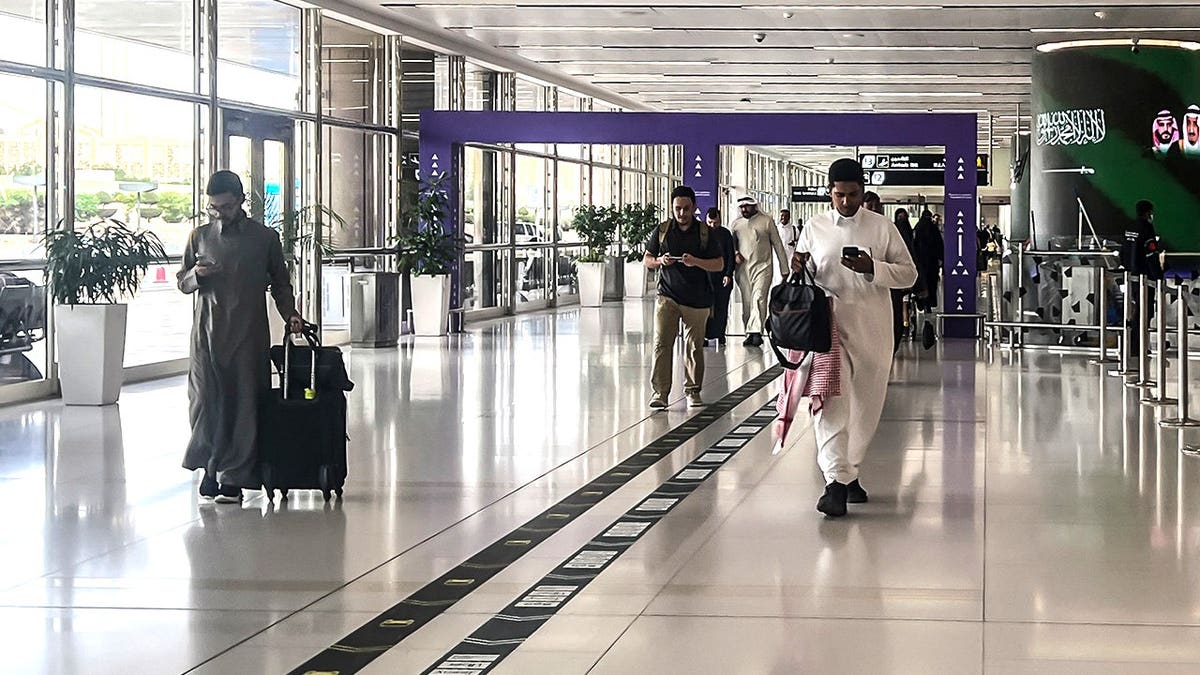
And somehow, they still expect Americans not to notice the pattern. These are not isolated incidents but symptoms of a wider failure to project American strength and deter hostile actors. When the world perceives weakness, chaos invariably follows.

In a revealing admission of diminished U.S. capacity or a stark warning of what might happen, the State Department now encourages Americans to enroll in the Smart Traveler Enrollment Program (STEP) for security alerts and to "have an emergency departure plan that does not rely on U.S. government assistance." That last part should not be complicated: under a strong America First policy, our citizens abroad should feel protected, not left to fend for themselves.
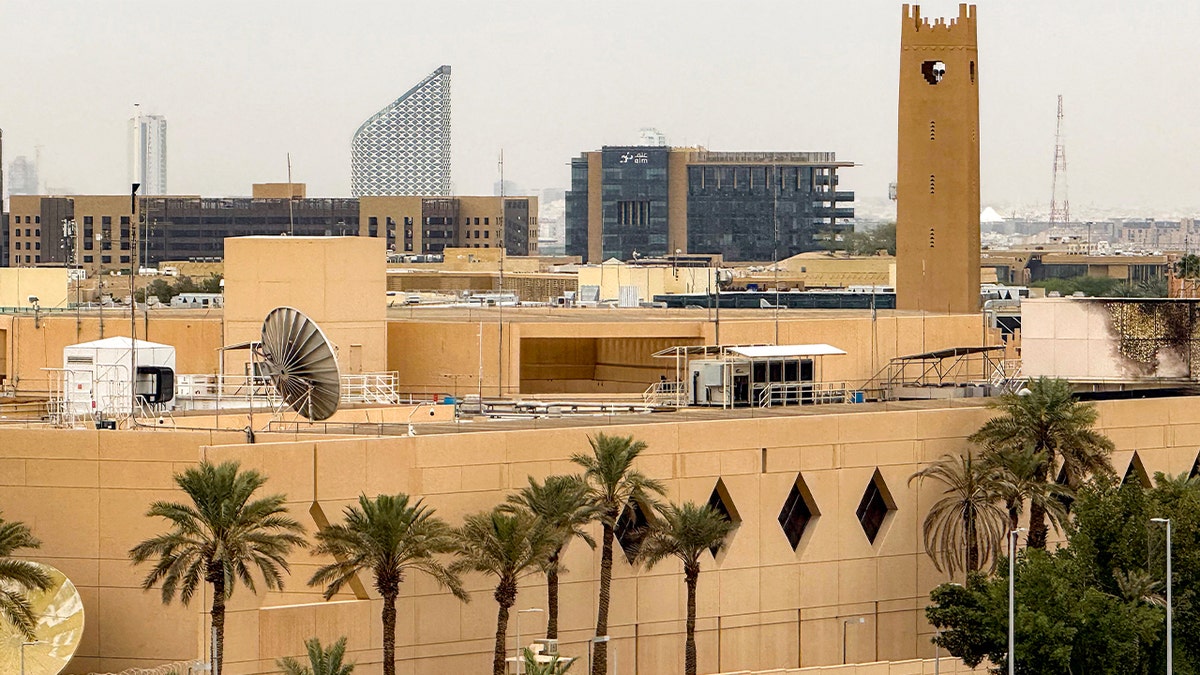
This wave of updated warnings for the Middle East follows similar dire advisories for other global hotspots, including Kenya and even China, where Americans face risks of "wrongful detention." The message is unequivocal: without a clear, decisive America First foreign policy, the safety of American citizens abroad is increasingly precarious. It's a sobering reminder that a strong America at home projects strength abroad, and anything less invites peril for our people and our interests around the globe. The current administration's policies have clearly failed to secure peace through strength, leaving Americans exposed.