
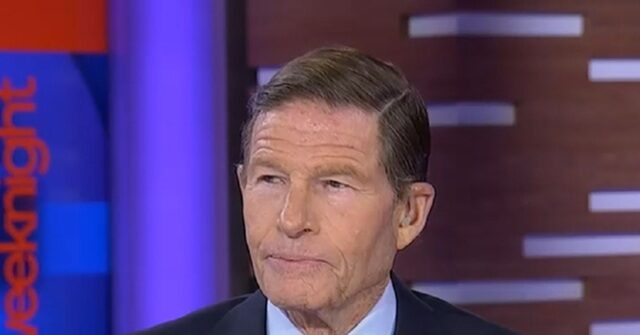
As tensions surrounding the Iran conflict continue to escalate, Sen. Richard Blumenthal is sounding the alarm over what he describes as a potentially “imminent” military strike — one that could result in significant casualties.
Speaking on CNN, Blumenthal claimed that based on briefings and other sources, a strike is “very much on the table,” raising concerns about the possibility of American troops being put in harm’s way and the risk of large-scale loss of life.
The comments came during a discussion about military options reportedly presented to President Donald Trump, including targeted strikes, actions involving the Strait of Hormuz, and even the possibility of ground troop involvement. Naturally, that kind of decisive planning tends to unsettle critics — especially those who prefer endless deliberation over action.
Blumenthal argued that there is “no coherent strategy,” pointing to what he described as mixed messaging from the administration — suggesting openness to negotiation at times while also issuing strong warnings toward Iran. He also criticized Defense Secretary Pete Hegseth, accusing him of avoiding direct answers during recent hearings on issues like military resources and the broader cost of the conflict.
But here’s the reality: when dealing with a volatile adversary, flexibility isn’t confusion — it’s leverage.
Maintaining multiple options, including military ones, is a standard part of strategic planning, not a sign of disorder. The idea that every move should be publicly spelled out in advance might sound good in a TV interview, but it’s not exactly how effective national security operates.
Blumenthal also took aim at the administration’s legal interpretations and broader objectives, claiming that key goals have not yet been achieved. Yet in complex geopolitical conflicts, outcomes aren’t measured overnight — something seasoned policymakers should probably remember.
At the core of this debate is a familiar divide: those who see strength and preparedness as essential to deterrence, and those who view it as escalation.
For now, the situation remains fluid, with no final decision announced. But one thing is clear — the administration is keeping its options open, and that alone sends a message.
Because in moments like this, projecting strength isn’t just a tactic — it’s often what prevents the worst-case scenario from becoming reality.
- Politics
By 4ever.news
Blumenthal Warns of Possible Iran Strike — Critics Question Strategy as Tensions Rise
Trending News
- Politics
- Trump
Trump Administration Moves to Boost U.S. Oil Output — Energy
21 hours ago- Politics
- Trump
Trump Weighs Troop Reduction in Germany as Tensions Rise Ove
1 days ago- Politics
- Trump
Melania Trump Supporters Target Kimmel Advertisers as Disney
2 days ago- Politics
- Trump
Trump Rejects Weak Iranian Proposal as Nuclear Concerns Take
3 days ago
All About Trump
- Trump
Trump Expands Retirement Access — New Plan Could Impact 56 Million Americans
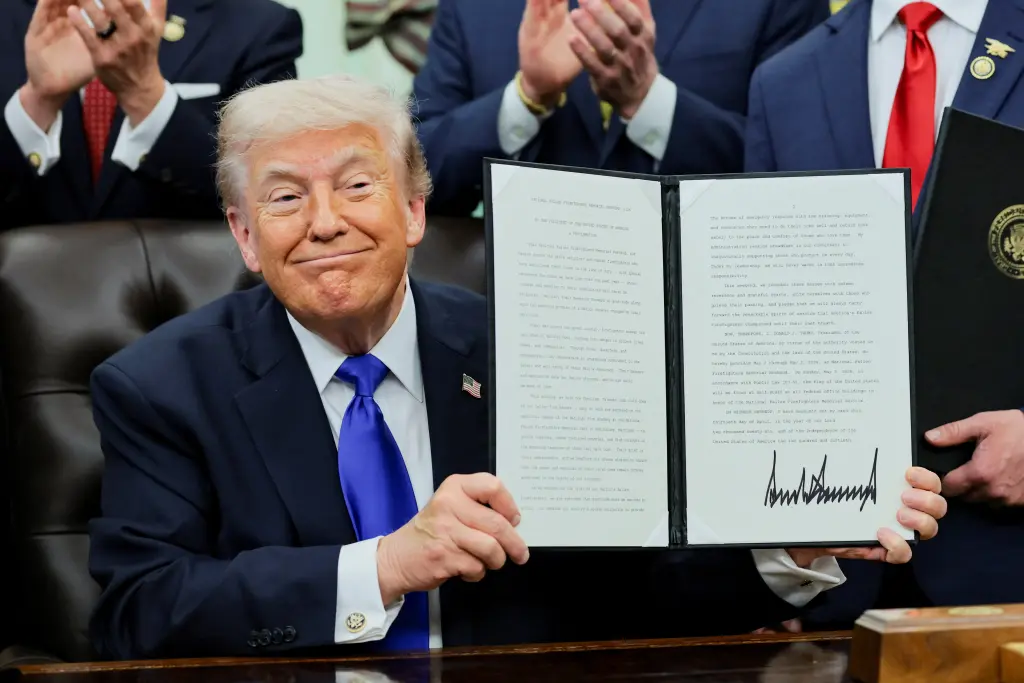
In a move aimed at reshaping retirement security across the country, President Donald Trump has signed an executive order designed to extend retirement savings options to tens of millions of Americans who currently don’t have access to employer-sponso 21 hours ago
- Trump