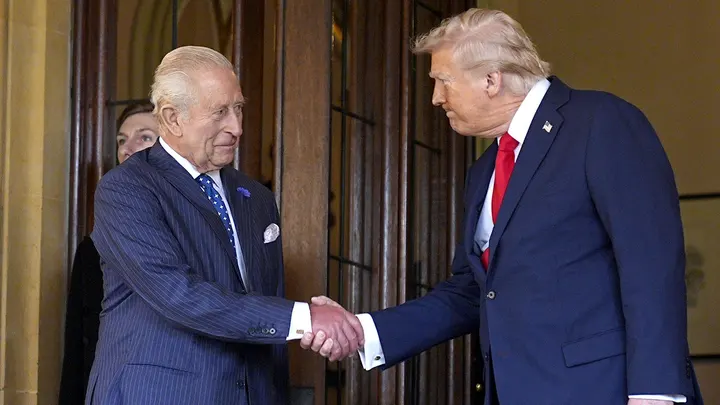
President Donald Trump is once again reminding the world that alliances are a two-way street—especially when one side starts throwing criticism instead of support. On Wednesday, Trump signaled that the U.S. could reduce its military presence in Germany, escalating tensions with Chancellor Friedrich Merz amid ongoing disagreements over the U.S.-Israel conflict with Iran.
The warning came after Merz claimed earlier this week that the United States was being “humiliated” by Iran’s leadership and questioned Washington’s strategy in the war. Bold words for someone relying on American security, but here we are.
In response, Trump made it clear that nothing is off the table. “The United States is studying and reviewing the possible reduction of Troops in Germany,” he said, adding that a decision could come soon. Translation: if allies aren’t pulling their weight—or worse, undermining U.S. efforts—there are consequences.
This isn’t new territory. During his first term, Trump pushed to withdraw around 9,500 of the roughly 34,500 U.S. troops stationed in Germany, citing the country’s low defense spending. That plan was later halted by the Biden administration, but the underlying issue hasn’t exactly disappeared.
Germany currently hosts key U.S. military assets, including major command centers, Ramstein Air Base, and Landstuhl Regional Medical Center—the largest American hospital outside the United States. In other words, this isn’t just symbolic—it’s strategic.
Despite the tension, Merz insists his personal relationship with Trump remains “as good as ever,” though he admitted he had doubts from the start about the war in Iran. He also expressed concern about the economic fallout, particularly from the closure of the Strait of Hormuz, a critical oil route that previously carried about 20% of the world’s supply.
“We are suffering considerably,” Merz said, urging a resolution to the conflict. Fair point—but maybe not the strongest negotiating position when simultaneously criticizing the country leading the effort.
Trump, never one to stay quiet, pushed back forcefully, accusing Merz of being soft on Iran and suggesting Germany’s broader struggles are no coincidence. It’s classic Trump: direct, unapologetic, and focused on results.
At the heart of this dispute is a larger question about NATO, burden-sharing, and what it really means to be an ally. Trump has long argued that the U.S. shouldn’t carry the load while others hesitate or criticize from the sidelines—and he’s clearly not backing down now.
As discussions continue, one thing is certain: under Trump’s leadership, America’s role on the world stage comes with expectations. And if those expectations aren’t met, don’t be surprised when the strategy changes.