A Virginia voter asked a simple question about illegal immigration.
The Democrat’s answer said far more than he probably intended.
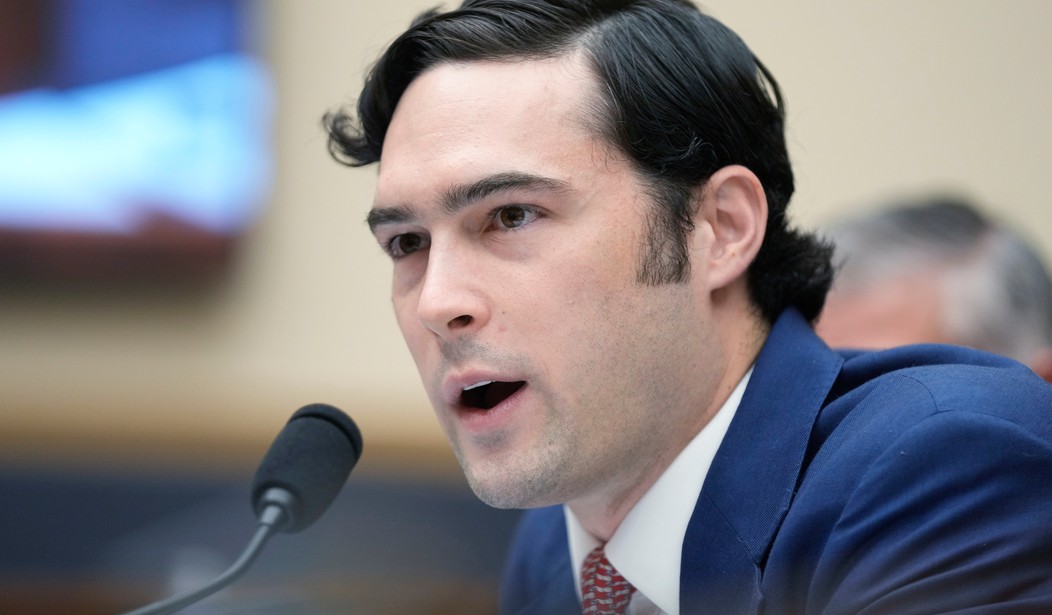
During a C-SPAN segment Thursday featuring congressional news of the week, a Virginia caller confronted Rep. Suhas Subramanyam, a Democrat representing Virginia’s 10th Congressional District, over the nation’s illegal immigration crisis.
The caller pointed to the millions of people already living in the United States illegally and asked the question Washington Democrats have spent years avoiding.
“What about the 10 million people who are here, that are here illegally? We already have laws in place.”
He then pressed Subramanyam on whether those individuals should be removed from the country.
The response?
“Good luck trying to deport 10 million people.”
And there it was.
In one dismissive sentence, Subramanyam appeared to reduce a serious question about enforcing federal immigration law to an impossible logistical exercise.
That may be convenient politics. It is not an answer.
Republican Rep. Brandon Gill seized on the exchange, giving Democrats’ familiar immigration excuse the response it deserved.
Because the central issue isn't whether deporting millions of illegal immigrants would be difficult. Of course it would be difficult.
The question is whether the United States is actually going to enforce its laws.
For years, Americans were told that the border could not be secured, deportations could not be accelerated and the sheer scale of illegal immigration made meaningful enforcement unrealistic.
Then Donald Trump returned to the White House.
President Trump didn't need a permission slip from the Washington establishment to secure the southern border. His administration moved aggressively to shut down the border crisis that exploded under Joe Biden, while putting immigration enforcement back at the center of federal policy.
And the results have already demonstrated something Democrats repeatedly insisted could not be done: government can enforce immigration law when the people running it actually intend to do so.
According to the source material, Trump has already overseen more than 3 million deportations and self-deportations. The administration also has additional Immigration and Customs Enforcement personnel following passage of the One Big Beautiful Bill, giving federal authorities greater capacity to expand enforcement.
That makes Subramanyam's “good luck” response look less like a serious policy argument and more like an admission of political unwillingness.
There is nothing inherently radical about saying that someone who entered the country illegally is subject to immigration law.
There is nothing extreme about expecting the federal government to know who is entering the country.
And there is certainly nothing unreasonable about asking elected officials whether laws on the books should actually be enforced.
For ordinary Americans, the consequences of years of lax enforcement are not theoretical. Communities have absorbed the strain, taxpayers have carried the costs, and the federal government has been forced to confront an immigration population far larger than what previous administrations were willing to address.
The answer cannot forever be: That's too many people. Good luck.
That is not leadership.
That is surrender.
Trump's America First approach begins with a much simpler principle: America has borders, America has laws, and those laws are supposed to mean something.
If Democrats believe millions of illegal immigrants cannot be deported, they should explain why enforcement is supposedly impossible rather than mocking Americans who ask the question.
Because Americans have heard “it can't be done” before.
Trump has already shown otherwise.