
Brazil's presidential election just took a chilling, authoritarian turn, revealing the true colors behind the socialist façade.
Hours after presidential challenger Flávio Bolsonaro was officially declared to have lost the election to Luiz Inácio Lula da Silva, a known authoritarian socialist, Brazilian authorities delivered a shocking blow: an order for Bolsonaro to surrender all his passports and an outright prohibition from leaving the country.
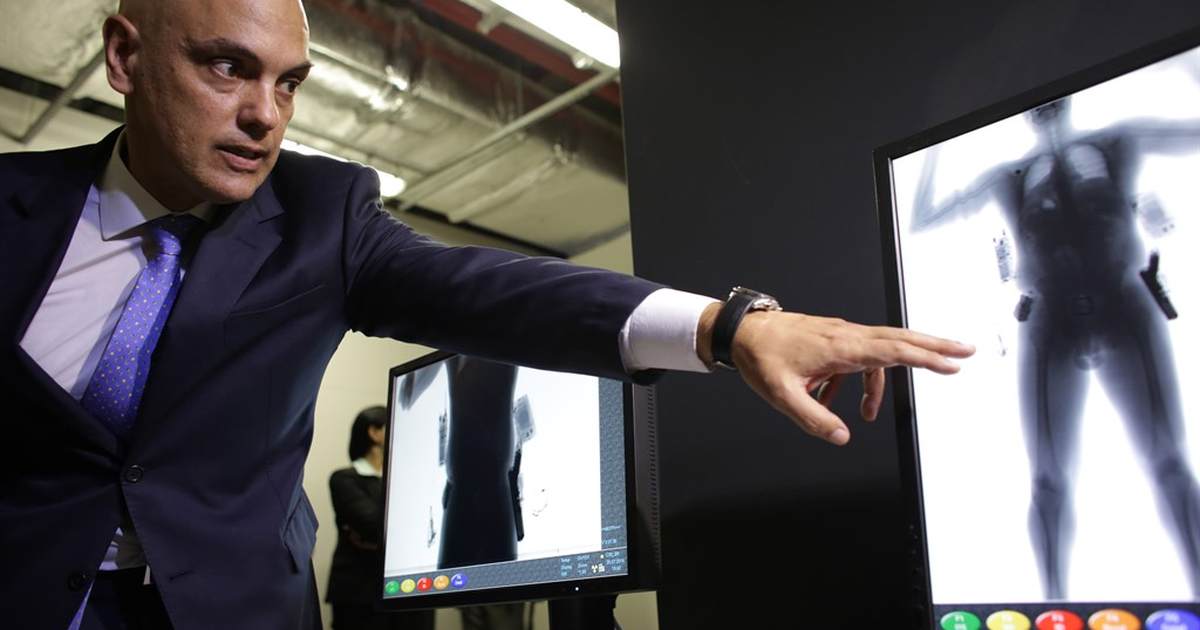
The orchestrator of this stunning move? Supreme Court Justice Alexandre de Moraes – precisely the same judge who oversaw the prosecution and conviction of Bolsonaro's father, former President Jair Bolsonaro. This isn't just a legal maneuver; it's a political weapon wielded by Lula's judicial enforcer.
As reported, the younger Bolsonaro was served with the order Monday, immediately after a visit to his father, who remains under house arrest following his conviction in connection with attempts to question the 2022 election results. Bolsonaro had just lost Sunday's presidential runoff to Lula, 51.8 percent to 48.2 percent, and had already raised serious questions about the election's legitimacy.
"This morning I went to visit my father; as you know, he is under house arrest," Bolsonaro explained in a video posted to social media. "And when I was leaving, Lula's Federal Police were at his door, and in the middle of the street, I was ordered to hand over my passports. I am also prohibited from leaving the country."
Brazilian media confirmed that Moraes issued the order for Bolsonaro to surrender his travel documents, including his diplomatic passport as a sitting senator, within 24 hours. The judge further barred Bolsonaro from communicating with attorney Willer Tomaz, an associate who is currently under investigation for alleged money laundering related to online betting businesses. Let that sink in: a sitting senator, just defeated in a presidential race, has his travel documents seized and communication restricted, all at the behest of a judge notorious for targeting the opposition.
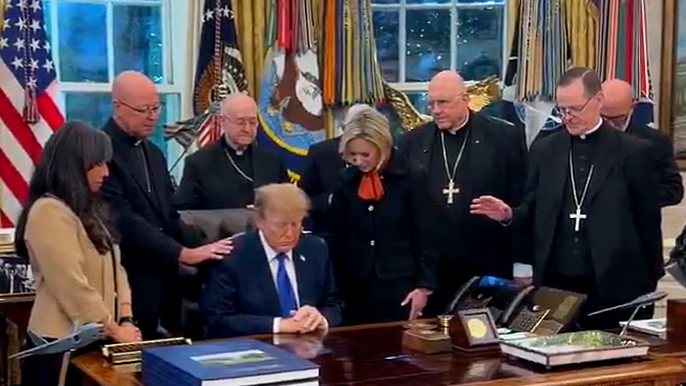
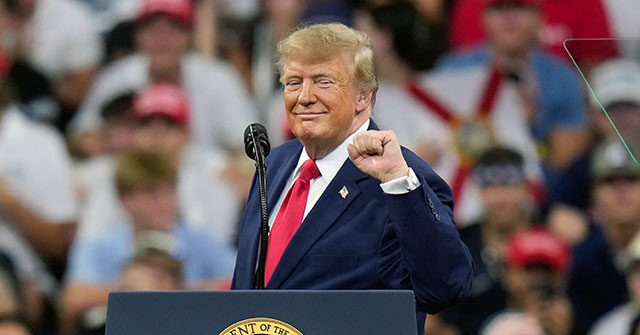
Former President Trump didn't mince words, expressing his belief that, "it looked like another rigged election, frankly."
While Bolsonaro himself is under investigation in connection with the alleged financial scheme, reports reviewed do not identify a formal criminal charge against him in that case. And that's what makes this chilling affair particularly Kafkaesque: a defeated presidential candidate, neither convicted nor formally charged in the underlying investigation, is now arbitrarily barred from leaving his own country.
While Brazilian courts can impose precautionary travel restrictions during criminal investigations, the blatant timing of this decision – immediately following a contested presidential election – screams political persecution and demands intense scrutiny. Moraes reportedly justified the order partly on "concerns" that Bolsonaro might flee abroad. Because, of course, a political opponent losing an election might just vanish.
These "concerns" conveniently followed remarks by Bolsonaro's brother Eduardo, who has been living in the United States. "If my brother doesn't win, I'm in favor of him leaving the country. Absolutely. Absolutely," Eduardo said just last week. Yet, Flávio Bolsonaro unequivocally states he never harbored such intentions.
"I never thought about leaving the country," he declared. "This is a sign that our democracy has failed."
Bolsonaro pledged to comply with the order, even as he vowed to challenge its legitimacy. "I will hand over my passports and defend myself against this abomination, which is a clear attempt to intimidate me, but nobody will silence me."
Having served more than two decades as a lawmaker, Bolsonaro chose not to seek another Senate term during his presidential bid. His current term expires in January 2027, at which point he will lose parliamentary protections – though Brazilian legislative immunity is not a blanket shield from criminal investigation or prosecution.
Meanwhile, the presidential election itself remains hotly disputed, despite misleading reports from the establishment media. Bolsonaro initially sought annulment after Supreme Court Justice Cristiano Zanin, Lula's former personal attorney, authorized an extension of voting hours at some polling places. Though he later adjusted his challenge, Bolsonaro announced plans to pursue the disqualification of Lula's winning ticket over alleged abuse of political and economic power.
Lula's official victory margin exceeded four million votes, but allegations of electoral wrongdoing continue to swirl and have not been definitively established in court. Bolsonaro himself has still not personally conceded defeat, and his Liberal Party maintains that the profound questions surrounding the election demand a thorough examination.
The uncanny resemblance to his father's situation is impossible to ignore. Jair Bolsonaro was prosecuted and convicted under proceedings overseen by the very same Justice Moraes. Now, this powerful justice has imposed sweeping travel restrictions on the former president's son, immediately after his contentious defeat to Lula.
This case is a stark reminder of why "democratic socialism" is a deceptive lie. You might vote yourself into communism, but history repeatedly shows you often cannot vote your way out.