California’s so-called green energy dream just got a lot less sunny.
According to a new report from CAL DOGE, nearly $928 million meant to fund solar panels for low-income apartment buildings was instead diverted into left-wing voter registration and political activism. Because nothing says “climate policy” like quietly building a Democrat turnout machine.
The money came from the Solar on Multifamily Affordable Housing (SOMAH) program, created in 2015 under AB 693 and funded by gas taxes and electric bills through cap-and-trade revenue. Californians were promised lower utility bills. What they got instead? Higher bills and a political operation dressed up as environmental outreach.
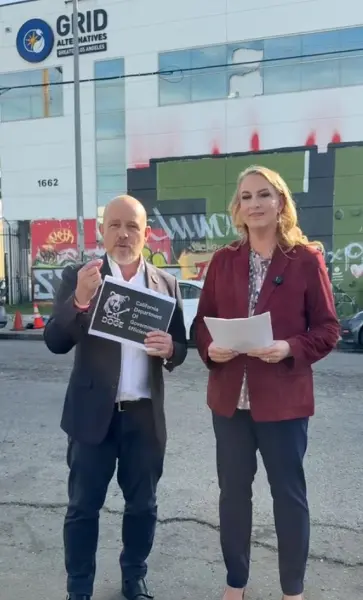
CAL DOGE Director Jenny Rae Le Roux said the pitch was simple: install solar, save money. The reality was simpler: everyone outside the program saw their utility bills more than double since 2015, while insiders were busy redirecting funds through politically aligned nonprofits.
Under SOMAH’s structure, GRID Alternatives serves as a main administrator. Outreach work is handled by the California Environmental Justice Alliance (CEJA), which gets paid as a subcontractor. CEJA’s political arm, CEJA Action, is a 501(c)(4) explicitly focused on building political power and operates under Tides Advocacy. In other words, your power bill may have been helping fund political organizing — not power panels.
Le Roux noted that the Donald Trump administration pulled federal funding from GRID in August 2025. But she says California kept the money flowing anyway, with zero transparency about where the earlier federal dollars actually went. Accountability, apparently, is not renewable.
CAL DOGE is now calling for a full audit of SOMAH’s outreach and education spending — including all subcontractors and pass-through payments — to find out how a solar program morphed into a political pipeline.
If this report holds up, it’s not just mismanagement. It’s a textbook case of using climate policy as a cover for partisan activism — paid for by everyday Californians trying to keep the lights on.
The good news? This mess is finally getting sunlight. And unlike the solar panels, that might actually do some good.